uk petrol prices january: why costs are rising
uk petrol prices january are climbing again as wholesale fuel costs feed through to forecourts, tightening household budgets and business fuel bills. The move has been linked by market analysts to higher crude benchmarks, firmer refinery margins and distribution costs that vary by region. Retailers typically reprice when replacement stock lands at a higher cost, so changes can show up quickly after supply contracts reset. Exchange rates matter because crude and many refined products are priced in dollars, meaning a softer pound can lift sterling costs even when oil is steady. Seasonal demand and freight schedules can also keep inventories tighter at times, adding to pressure at the pump.
How crude, refining and FX feed into UK pump prices
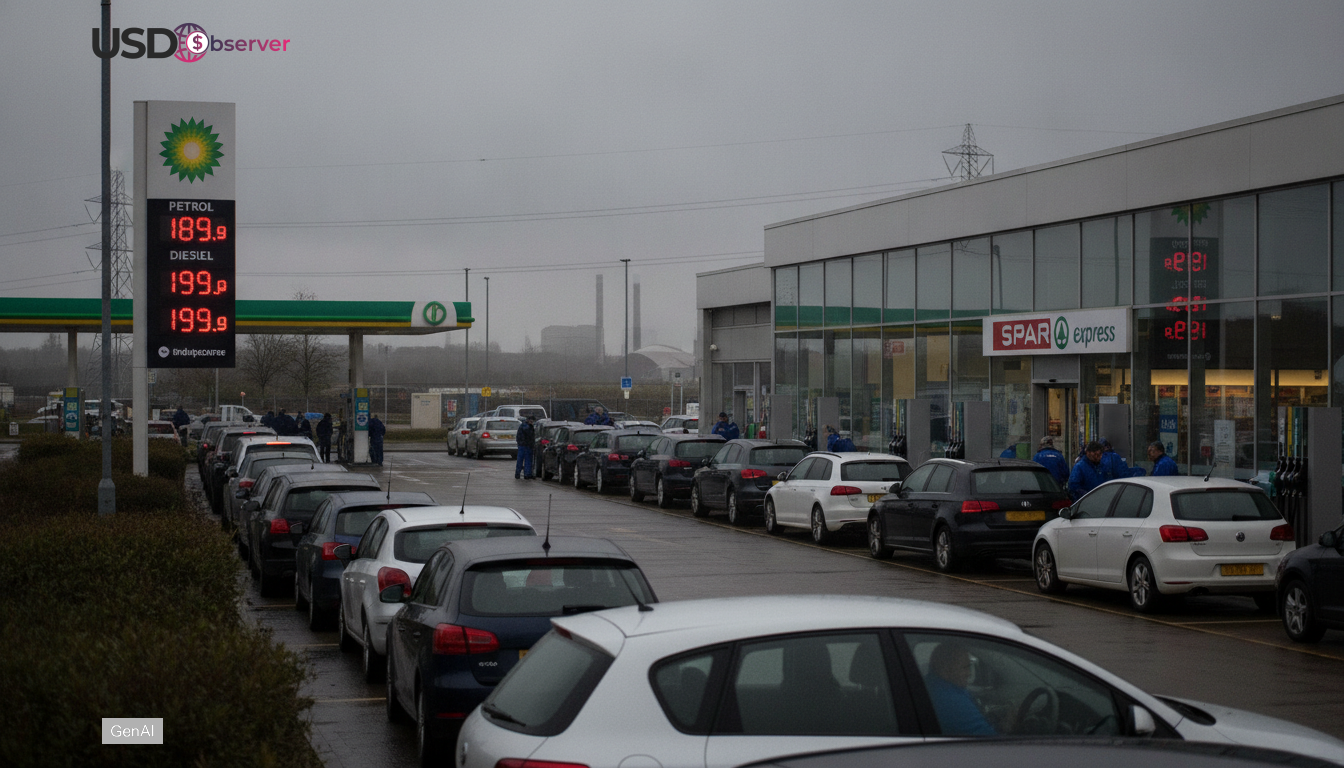
Consumers are seeing the rise at the nozzle, and according to some sources, it has been noted that UK petrol prices reached their highest level since the Iran war began. This is significant because fuel is a frequent purchase that can feed into delivery fees and service prices across the economy. Analysts often break the move into three parts: crude price direction, refining spreads that shift with outages and seasonal blends, and the GBP USD rate that changes import costs. For readers tracking how liquidity conditions can amplify commodity swings, Stablecoin Supply Decline and Market Liquidity Risks offers background. For a market lens on supply risk, Global Oil Supply at Risk as Iran Conflict Lifts Prices adds context.
What the Iran war comparison means for motorists
The comparison point refers to the period when the Iran war began, when commentators said risk premia and concern about supply routes pushed costs higher. The broader perspective helps illustrate how global shocks can reach UK forecourts through refined-product imports and wholesale pricing. In prior cycles, pump prices have also swung with refinery outages, shipping constraints and tax changes, though the speed of the latest move is being noted by some analysts. Observers will look for signs that competition returns once wholesale costs stabilize, especially among supermarkets and high-volume sites, as uk petrol prices january remain a daily-cost signal for many drivers. For a broader macro angle on how demand and pricing power can shift, US economic growth slows in Q2 as demand cools is a useful parallel read.
Policy and regulator focus as prices move higher
When pump prices climb faster than drivers expect, ministers and regulators typically focus on transparency and competition, alongside the inflation pass-through into transport and services. In earlier episodes, the Competition and Markets Authority has examined fuel retailing, including how margins change when wholesale prices rise and later fall, according to its published reviews and updates. With costs driven by global crude and refined-product markets, near-term levers are generally limited to monitoring, enforcement and ensuring supply logistics are functioning. Political pressure tends to rise when drivers report concerns about availability, even when the main issue is price. Policymakers also track whether retail spreads widen more than wholesale moves would suggest, and for rate and dollar context that can influence imported energy costs, Federal Reserve policy and the US economy under rate hold provides background.
Outlook for prices in January and what to watch
The next few weeks for uk petrol prices january depend on whether crude benchmarks stabilize and whether refinery margins ease as supply routes adjust, as traders and industry watchers often note. In London and the South East, commuter-heavy demand can make even small moves at the pump feel immediate for households balancing weekly budgets. If oil prices retreat and sterling holds up against the dollar, forecourts could eventually see cheaper replacement deliveries, though timing can differ by operator and region. Motorists often observe that prices can fall more slowly than they rose, which is commonly attributed to inventory cycles and contract timing. Renewed disruption in shipping lanes or regional production could keep volatility elevated, while calmer conditions could allow competition to reassert itself. For households and small firms, the risk is that fuel remains a persistent pressure point that shapes travel choices and operating budgets through the rest of the month.