South Korean stock market rebound after chip sell-off
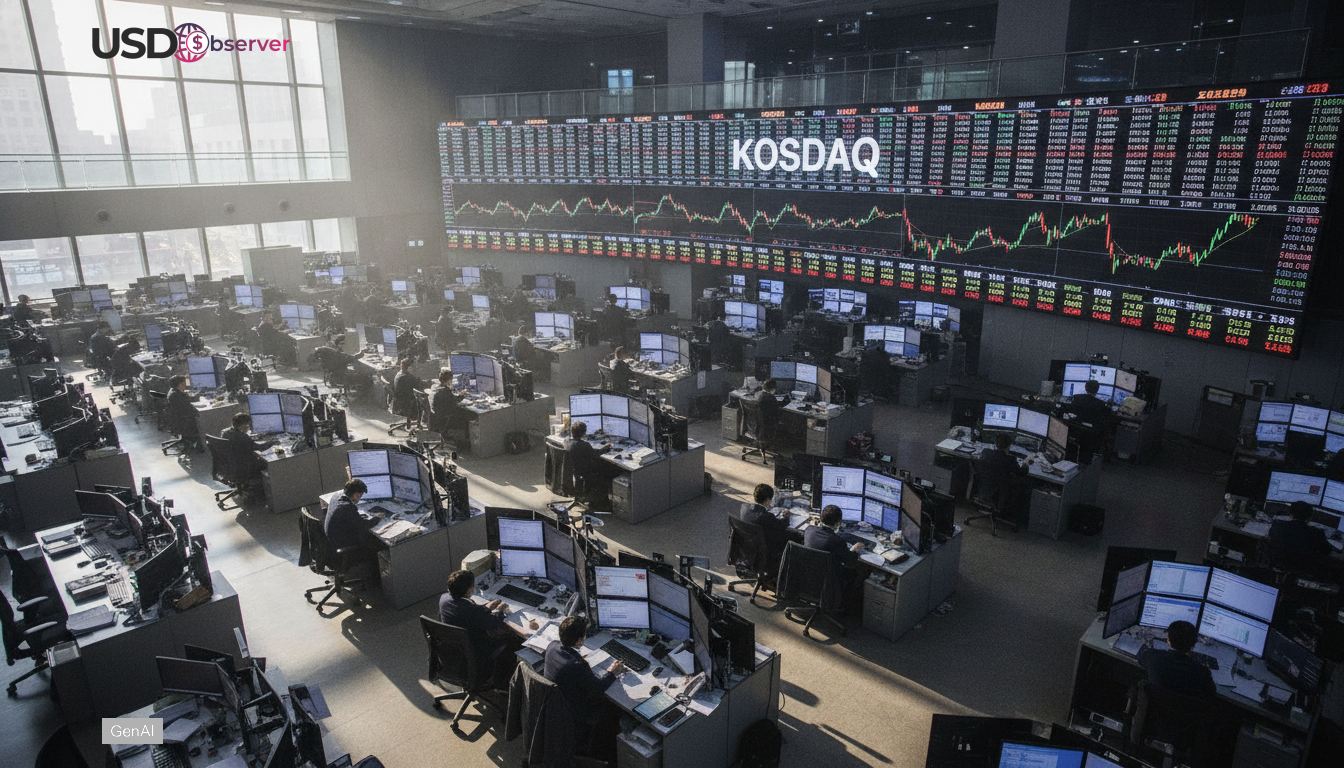
South Korean equities rebounded after a sharp sell-off in chip names that, according to the title “South Korean shares soar after chip stock rout,” appeared to have rattled positioning in Seoul. In early dealing, the South Korean stock market seemed to attract bargain hunters looking for liquid blue chips and exporters with resilient earnings sensitivity. As indicated by reports, there was a rotation out of crowded semiconductor exposure into defensives, with a re-entry once selling pressure eased. Traders also cited a steadier tone across Asia following what they characterized as a calmer session in US futures. That backdrop may have reduced forced selling tied to margin and volatility controls, allowing price discovery to reset. The rebound also appeared broader than a single name, with participants pointing to firmer breadth across the benchmarks.
What the move signals for South Korea’s economy and policy
The move fed into confidence gauges watched by corporates and households, particularly as it was suggested that pension and retail flows can amplify swings. Policy officials, including at the Bank of Korea, have previously discussed monitoring financial-market stress as a potential channel into consumption and investment when exporters dominate index weights. For cross-asset context, the portal analysis South Korean crypto trading rises as stocks sell off shows how risk appetite can spill between markets during volatile stretches. Currency sensitivity also returned, with USD KRW moves seen as shaping foreign investor hedging behavior. Even without fresh macro prints, the South Korean stock market rebound was viewed by some investors as easing near-term concerns about a negative wealth effect tightening financial conditions for local borrowers and consumers.
Semiconductors drove the reversal in Seoul benchmarks
Semiconductors sat at the center of the reversal, as the KOSPI is widely viewed by investors as heavily exposed to memory and foundry supply chains. According to desk commentary, traders pointed to global chip sentiment stabilizing after a rout in AI-linked names, with valuation resets possibly attracting systematic buyers. For a broader view on the same theme, AI investment risk and chip stock volatility details how fast factor rotations can hit the sector. Market color also tied the Seoul rebound to expectations for demand normalization in consumer electronics, framed by company guidance rather than forecasts, according to participants. Firms such as Samsung Electronics and SK hynix are often cited by analysts and traders as tone setters through quarterly earnings commentary and forward-looking capex signals.
Investor flows, FX hedging, and risk appetite
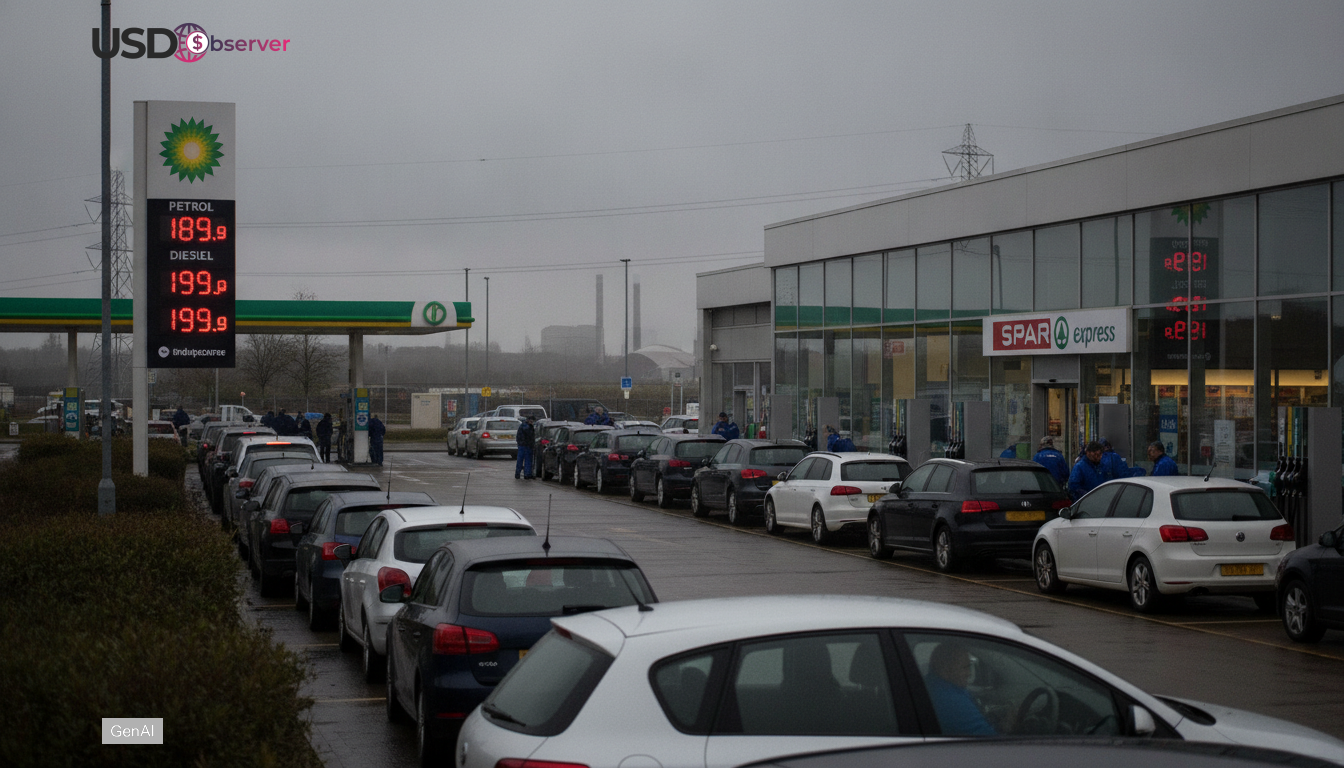
Investor flows remained a key focus because South Korean stocks are often used by global funds as a liquid proxy for Asia tech exposure, according to market participants. Dealers indicated the recovery showed less panic selling from offshore accounts, while domestic institutions were described as leaning into index futures to rebalance. For macro context on rates, Federal Reserve policy and the US economy under rate hold tracks expectations that can shift USD funding conditions and hedging costs. For risk comparison, BBC reporting on UK petrol prices highlights how energy shocks can tighten global risk sentiment, a factor Korean investors track due to import dependence, as commonly noted in market commentary. Locally, some traders mentioned spreads narrowed as volatility cooled and large cap depth improved through the session, with index pricing watched closely around KOSPI 200 futures into the close.
What to watch next for KOSPI and KOSDAQ
Investors will watch how quickly volatility compresses because that can influence leverage, structured products, and retail participation. Near-term direction hinges on whether chip earnings guidance confirms the rebound or reopens drawdown risk, according to discussions of investor positioning. The market is also sensitive to Fed rate expectations and dollar liquidity, which can shift hedging costs for global funds, traders indicated. On the data calendar, US economic growth slows in Q2 as demand cools is one reference point participants use when updating global growth assumptions that affect exports and risk appetite. Officials at the Bank of Korea regularly discuss financial stability channels, and traders mentioned they parse that language for tolerance around asset price swings and funding stress into quarter-end for the South Korean stock market.