BP starts a formal divestment process in the UK North Sea
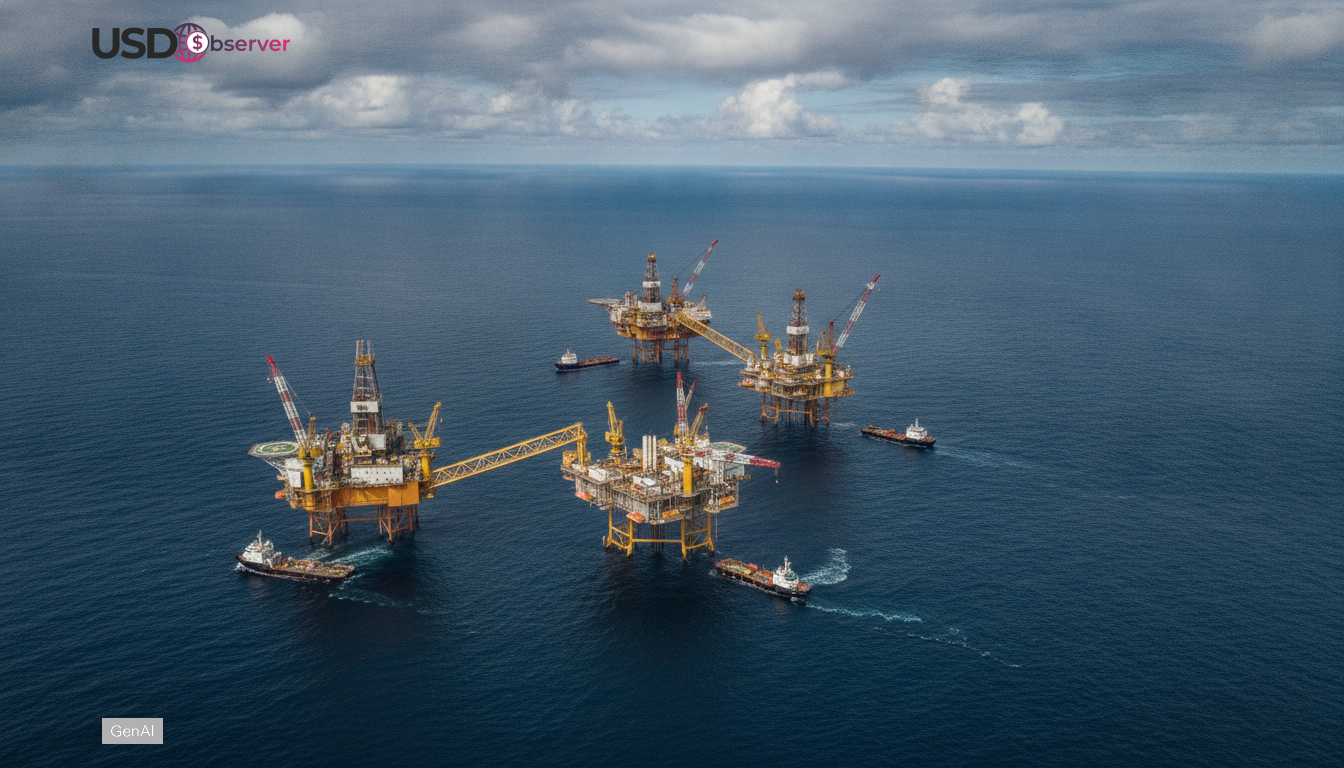
BP has started a formal process to sell its UK North Sea business, a move that could mark the end of a long stretch of production in UK waters, as indicated by available reports. BP has stated it has put its North Sea unit up for sale as it reviews its upstream footprint and capital allocation. For traders, the announcement signals near term supply expectations and how majors prioritize spending. BP has not detailed transaction timing, valuation, or the asset perimeter, and the process remains subject to approvals.
What assets may be included in the sale package
Reports suggest BP is exploring options for its UK North Sea business, which would close a notable chapter in a basin that helped define the modern UK petroleum sector. While no deal value has been provided, the market typically focuses on producing hubs, infrastructure interests, and decommissioning liabilities within a sale perimeter. Ownership changes can affect decline management, maintenance cycles, and the pace of decommissioning, impacting near term operational continuity in the basin.
Why BP is pursuing a North Sea business sale now
BP has framed the North Sea business sale as part of a broader strategy to focus investment and simplify its portfolio rather than maintain every mature producing region. Liquidity conditions also shape risk appetite and funding costs for asset deals, a theme discussed in Stablecoin Supply Decline and Market Liquidity Risks. The trade offs include balancing cash returns against long life obligations such as abandonment and environmental compliance. Price signals feed into valuations as well, including UK fuel sensitivity discussed in UK petrol prices hit highest level since Iran war began.
Potential buyers and near term market impact
Potential buyers for the assets tied to the UK divestment are likely to include firms that specialize in mature basins, where tight cost control can extend the field life. Market participants will also watch broader crude dynamics and risk premiums that feed into valuation models, including developments tracked in Global Oil Supply at Risk as Iran Conflict Lifts Prices. No bidders have been confirmed, so any shortlist remains speculative. A change of operator can influence contracting, infill drilling plans, maintenance schedules, and how quickly late life fields move toward cessation of production. Tax terms and regulatory consent will shape any final outcome.
What the sale means for the UK North Sea oil industry
The North Sea business sale comes as the UK continental shelf faces intersecting pressures from depletion, decarbonization policy, and investor demands for predictable cash returns. The energy market impact will depend on whether new owners maintain production investment, prioritize emissions reduction, or focus on orderly wind down and decommissioning. Government and regulators will scrutinize safety, environmental performance, and financial capacity for abandonment obligations regardless of who holds licenses. The process also highlights an ongoing reallocation, with majors concentrating capital where scale is larger and decline rates are less steep. BP has not indicated how the sale would affect its near term upstream guidance.