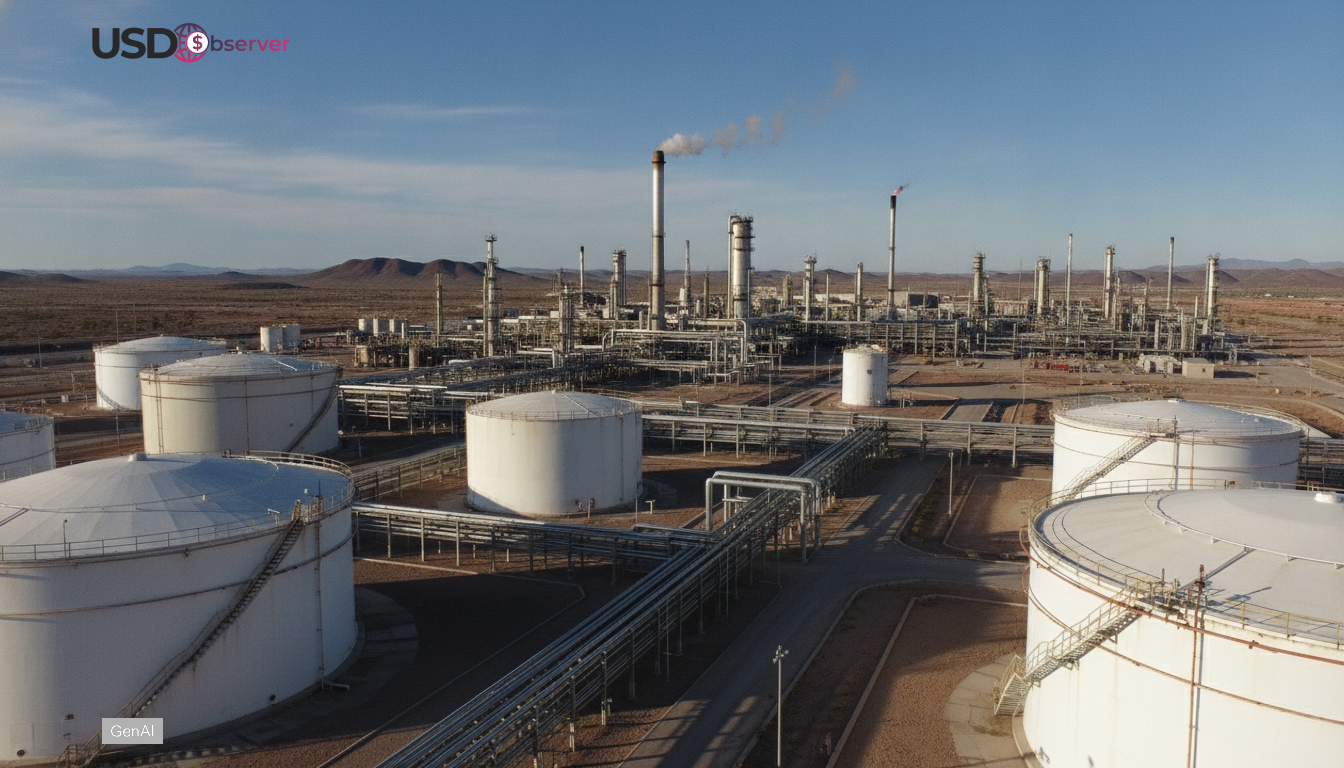
Global Oil Supply Risks Rise on Iran Conflict
According to available reports, Iran conflict headlines have lifted crude prices and raised concern over shipping through key Middle East routes as global oil supply is back in focus. Brent and WTI have reportedly moved sharply on intraday updates, with traders paying closer attention to tanker availability, insurance costs, and refinery replacement barrels. Even without a production outage, the market can tighten quickly if transit times lengthen or risk premiums rise. Analysts often note that when inventories are not rebuilding, relatively small disruptions can drive outsized price moves. Some refiners have reportedly reacted by bidding up prompt cargoes and widening crude differentials to protect near-term feedstock, while physical traders have also reported higher premiums on nearby loadings.
Shipping Lanes: Where Bottlenecks Hit
According to market commentary widely cited by shipping and energy analysts, shipping insurers and charterers have focused on route risk because a small change in transit patterns can remove capacity from the system. When vessels lengthen voyages or avoid certain corridors, effective supply can tighten and freight can rise even without a direct production outage. These mechanics matter because the market relies on predictable flows from the Gulf to Europe and Asia, and delays can force refiners to draw inventories faster. A related angle on energy-linked pricing pressure is covered in Crude oil prices near $100 add pressure to power bills. Payments and settlement infrastructure can also feel strain during commodity spikes, as noted in Tether USDT tests fuel payments in El Salvador pilot. Brokers have also reportedly cited higher margin requirements across some crude-linked instruments.
Shell Profits and Trading Margins Respond to Supply Tightness
Shell profits can be sensitive when crude benchmarks rise and volatility increases, particularly through trading and optimization, though the scale of any benefit depends on quarter-specific factors. In its quarterly reporting, Shell has said earnings were supported by stronger oil prices and disciplined spending, and management has pointed to resilient integrated gas and marketing performance. Energy investors also track how risk repricing can feed into hedging costs, which may magnify revenue swings for large integrated producers, and for a parallel view on market repricing dynamics, see Federal Reserve Holds Rates Again, Markets Reprice Risk in the macro coverage. Shell has also emphasized that capital allocation remains tied to balance sheet strength and shareholder distributions rather than chasing production growth. Equity moves in the sector often track crude direction more than operational updates, according to common market commentary.
Refiners, Airlines, and Policymakers React to Higher Oil Prices
Airlines and central banks have highlighted how energy costs can transmit into broader inflation and operating expenses, according to public comments and policy statements. The BBC reported that the Bank held interest rates while warning it was ready to raise them if an Iran war escalation fuels another inflation wave, linking policy sensitivity to crude oil prices and transport costs. That stance can feed back into the dollar and risk assets, shaping how commodity funds position in crude, and for the full policy context, read Bank holds interest rates but says it is ready to raise them if Iran war escalates. In commodities, options skews have reportedly shifted toward upside protection, reflecting demand for hedges against additional price spikes. Physical buyers have also reportedly increased term inquiries to secure supply continuity.
Outlook: What Could Ease or Further Tighten Oil Supply
Near-term pricing will likely hinge on whether risk premiums persist and whether producers add barrels fast enough to offset any shipping delays. The IEA has previously argued that spare capacity can help stabilize markets, but only if it is deployable without logistical bottlenecks and if buyers can access the grades they need. Corporate results, including Shell profits, may remain sensitive to trading performance as well as realized crude differentials, not just headline benchmarks, as supply conditions are reassessed. Industry executives have also said investment decisions depend on cost inflation, regulatory signals, and confidence in demand growth. For refiners, the immediate focus is protecting margins through feedstock flexibility and inventory management. If tensions ease, volatility could fall quickly, but planning may still prioritize resilience over expansion as supply risks are reassessed.