Federal Reserve policy and current rate expectations
Federal Reserve policy remains restrictive as the central bank holds its benchmark rate steady and signals it wants clearer evidence inflation is moving back toward its 2% target. Chair Jerome Powell said there is no quick fix for bringing prices down, as indicated by available reports. The decision keeps borrowing costs high for households and businesses refinancing loans at newer terms. Officials also continue quantitative tightening by reducing securities holdings, which can tighten financial conditions even without a rate change. With upcoming inflation and labor data in focus, markets look for the timing and pace of any future cuts as Federal Reserve policy is set to stay data dependent.
How tighter policy affects inflation and consumers
Holding rates steady reinforces that inflation control is not finished, even as some price measures cool. The Fed has repeatedly emphasized a sustained path back to 2% inflation, and sticky service inflation remains a key risk. For more context on risk repricing after the decision, see Federal Reserve Holds Rates Again, Markets Reprice Risk, as higher rates can slow demand but do not immediately lower everyday prices, especially when energy and rent costs stay firm. For a cross-portal view on how monetary conditions intersect with payments innovation, read Visa stablecoin strategy: Q3 call outlines payments plan.
Growth risks for the US economy as rates stay high
High rates transmit through mortgage costs, credit card APRs, and business investment hurdles, with effects varying across sectors. Recent GDP reporting signaled momentum has cooled, and the BBC described a surprise slowdown in second quarter US growth in its coverage here: US economic growth sees surprise slowdown in second quarter. Credit-sensitive areas such as commercial real estate and small business lending remain key channels for further slowing. Policymakers have said they want to avoid overtightening if disinflation continues, but they also do not want to loosen too soon and reignite price pressures.
Markets, the dollar, and rate-cut expectations
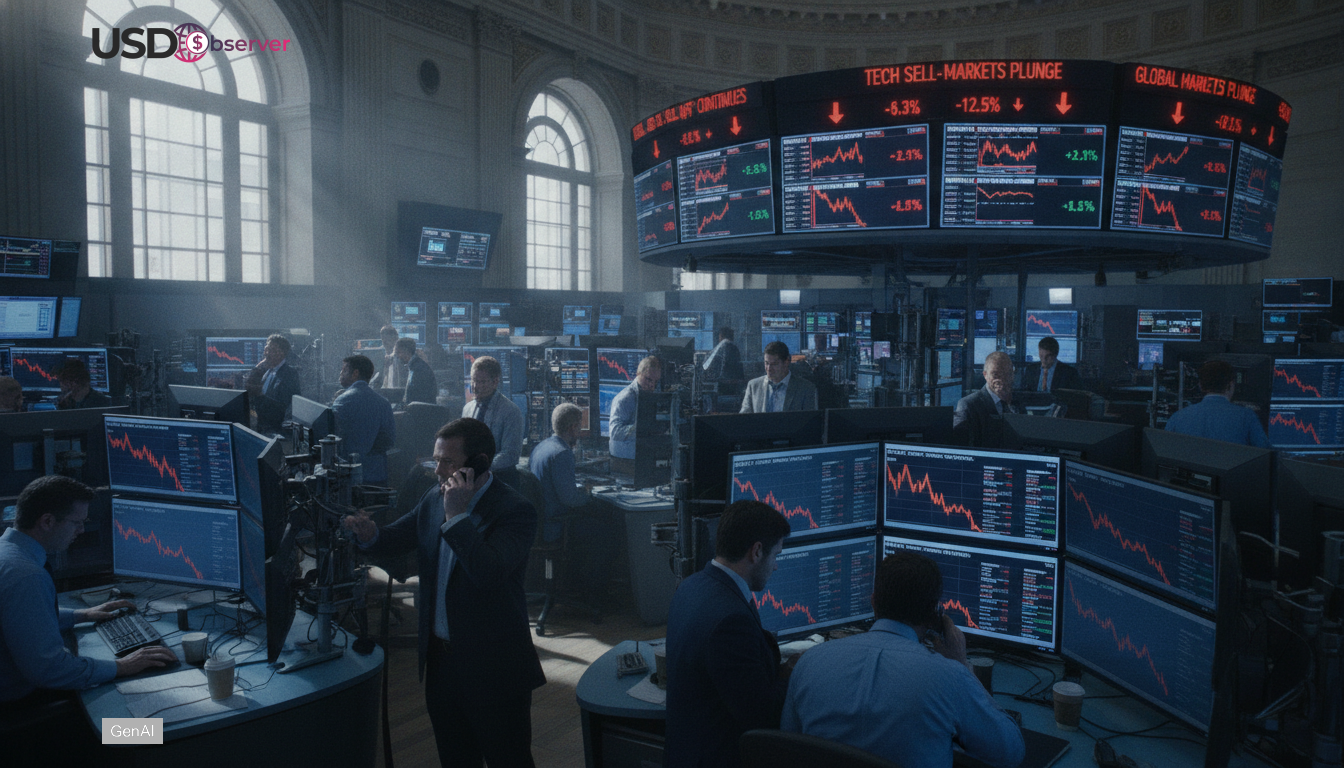
Markets recalibrated expectations for the timing and pace of future cuts as investors revised probabilities around incoming inflation and jobs data. For a comparison point on commodity pressure feeding into inflation and sentiment, see Crude Oil Prices Near $100 Add Pressure to Power Bills, as Treasury yields and the dollar can move quickly when traders interpret the Fed’s tone as more hawkish or more patient. Energy prices, fiscal policy, and global demand can amplify these reactions and shape how durable the repricing becomes. Equity leadership can also rotate as financing costs stay high and earnings expectations adjust.
What Federal Reserve policy could mean over the long run
If restrictive rates persist, the longer-run outcome could be a slower return to 2% inflation with higher risks of job-market cooling. The Fed’s projections and communications frame a tradeoff: restoring price stability while limiting unnecessary damage to growth. Federal Reserve policy also influences global dollar funding, affecting capital flows and financial conditions beyond US borders. Over time, households and firms may adapt by deleveraging, extending maturities, or delaying projects, leaving growth more dependent on productivity and real income gains. Investors will keep watching whether inflation progress continues and whether financial conditions loosen on their own, which could change the policy path.