Russia fuel crisis: shortages spread as logistics tighten
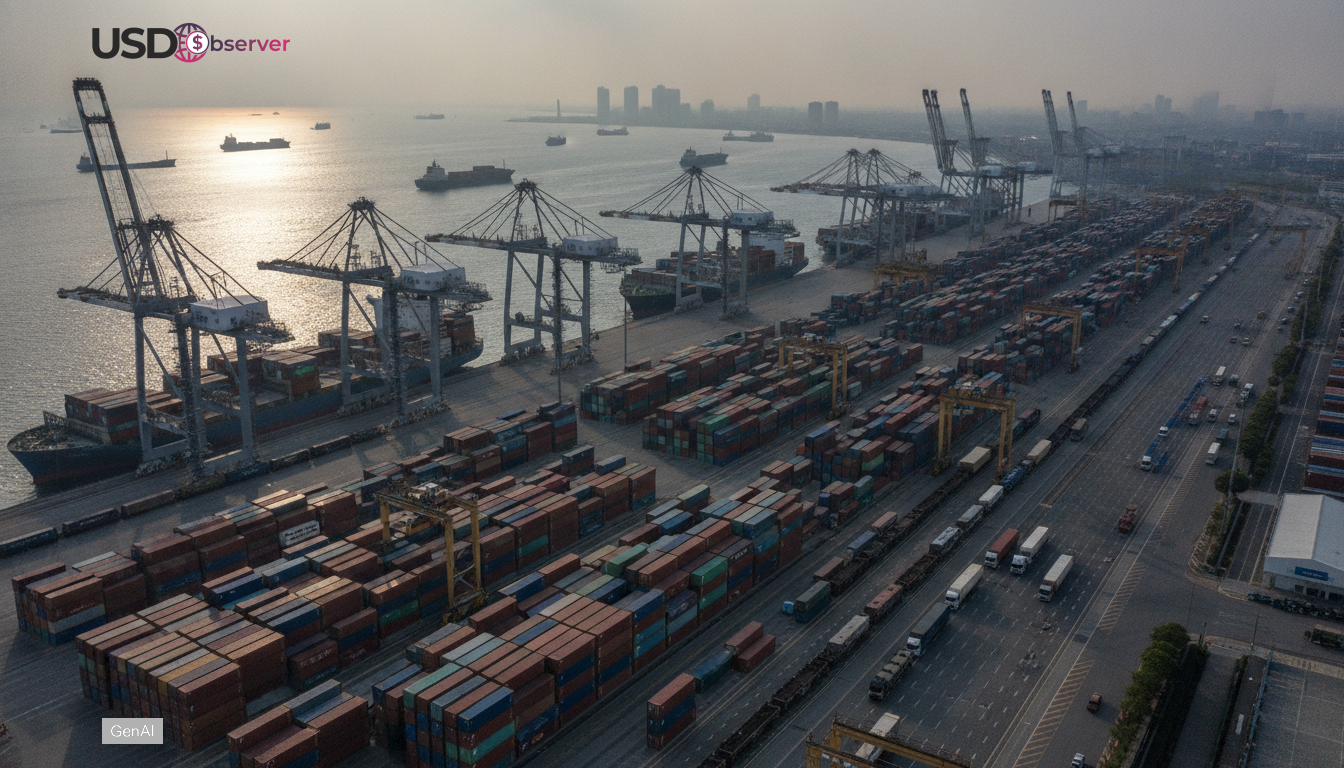
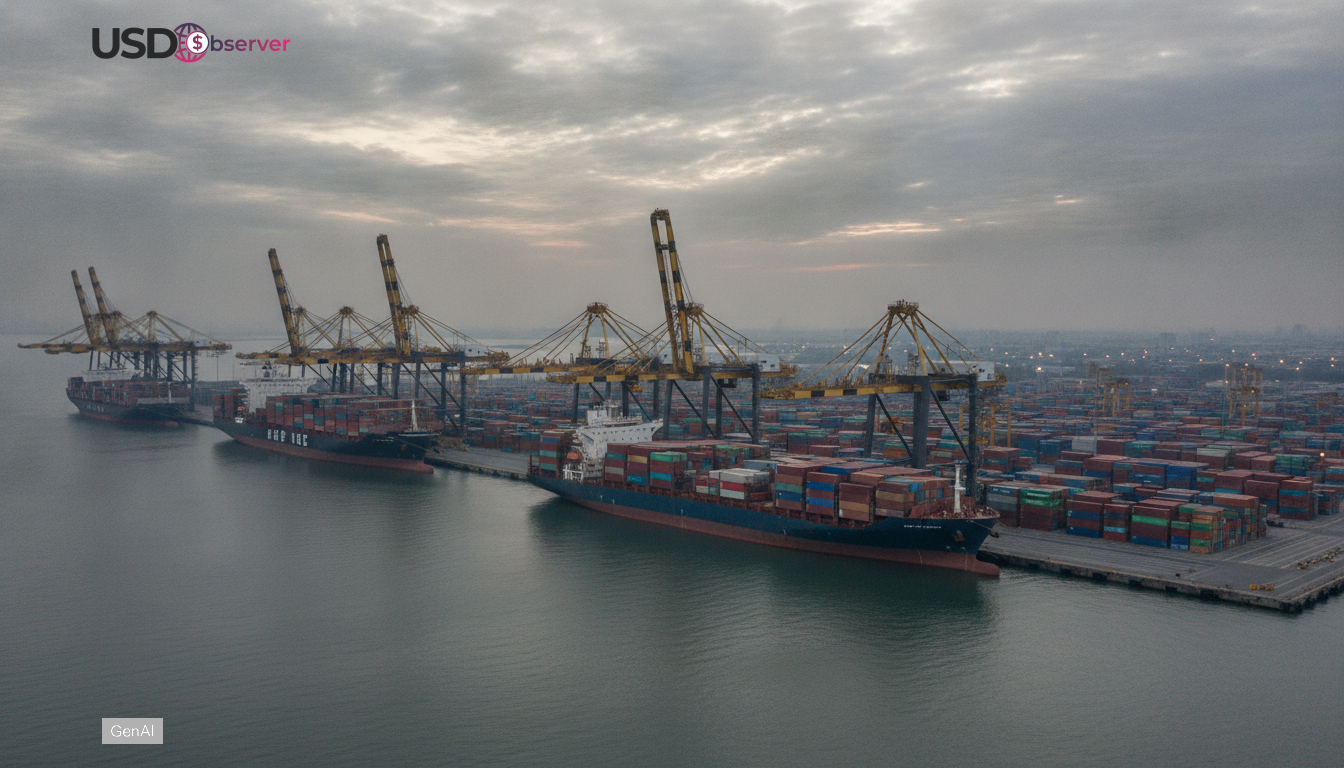
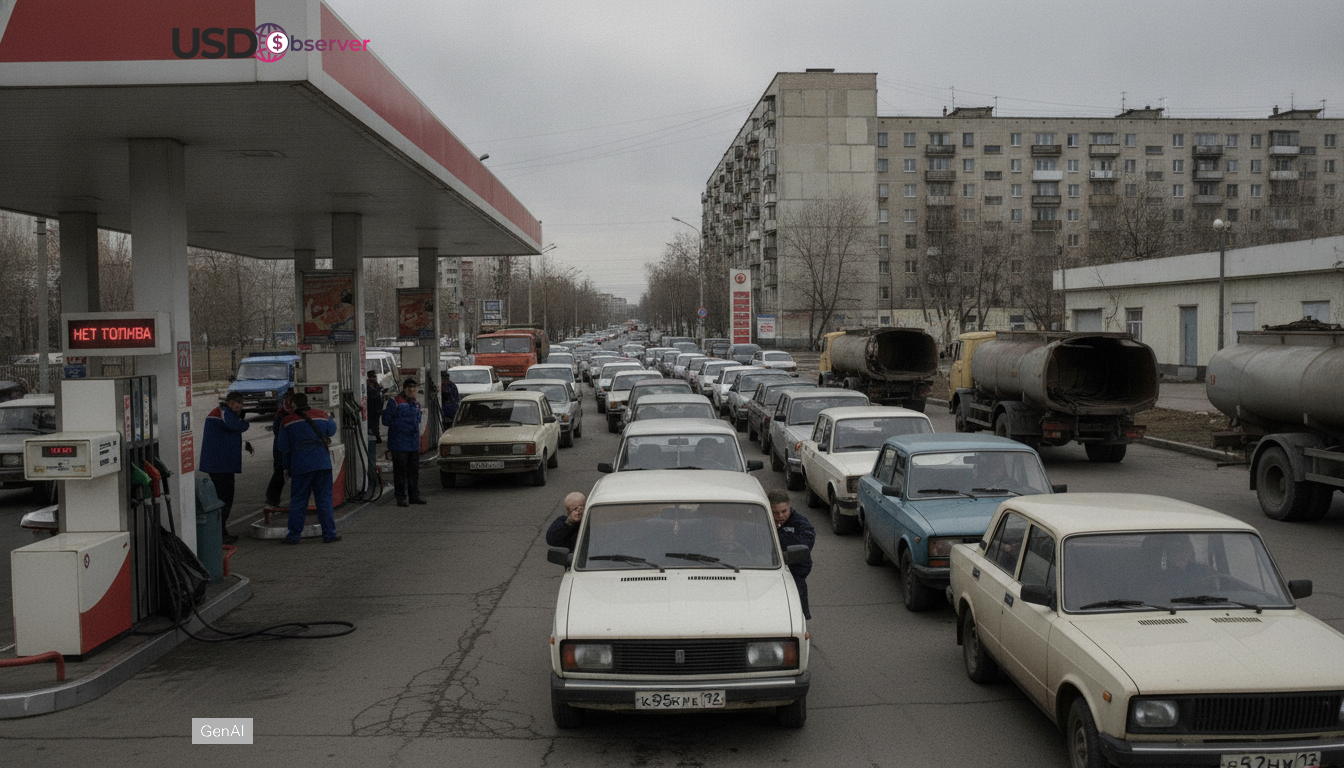
According to available reports from market participants, the Russia fuel crisis is intensifying as refineries, wholesalers, and regional authorities manage a sharper squeeze on motor fuels across parts of the country. Logistics bottlenecks are increasingly determining what reaches retail stations, especially for areas reliant on long rail routes and depot transfers, traders and industry observers say. The Russia fuel crisis is also reflected in thinner inventory buffers than normal in some regions, physical traders say, which can raise volatility in wholesale pricing and delivery schedules. In September 2023, Russia introduced temporary export restrictions on gasoline and diesel, according to Russian government and industry statements reported at the time. Small interruptions can cascade into localized outages, prompting some regional administrations to urge retailers to prioritize essential services and public transport where possible, according to local officials’ statements as reported by media.
Ukraine strikes disrupt supply lines and depot operations
Ukraine has said it has intensified attacks on infrastructure in Russian occupied areas and near transport corridors, and media reports have described knock-on effects for depots, rail hubs, and transshipment points used for fuel distribution. Ukrainian officials describe many operations as aimed at degrading military logistics, and these statements are often carried by major outlets. In this context, fuel distribution can be amplified by rerouting and security measures that may lengthen delivery times and increase handling losses, according to traders and logistics observers. A parallel financial lens is emerging as energy shocks intersect with payments and sanctions, highlighted by Russian ruble stablecoin A7A5 resists sanctions pressure. Broader scrutiny of wartime supply chains is also reflected in US adds BYD to list of firms with alleged Chinese military ties, while depots, rail hubs, and transshipment points remain a focus in reporting on fuel distribution.
Economic impact on prices, freight, and regional budgets
Tightness in Russian motor fuels can feed directly into costs for freight, agriculture, and municipal services, with higher diesel and gasoline expenses gradually passing into consumer prices, according to economists and business groups. This fuel squeeze can strain regional budgets when authorities subsidize deliveries to remote areas or pressure retailers to hold pump prices below replacement cost, according to analysts and regional officials’ comments reported in domestic media. Related demand-side pressure is covered in High fuel costs boost electric cars in India demand, showing how sustained price spikes can accelerate substitution, while firms may respond by stretching payment terms, cutting nonessential routes, or delaying maintenance, which can reduce service quality and productivity, according to industry associations and market participants. For global markets, episodic disruptions can affect refined product availability even when crude exports continue, analysts say, raising uncertainty for importers and nearby trading hubs.
Policy steps to stabilize supply and reduce disruptions
Authorities and state-linked energy firms have leaned on administrative tools to keep domestic markets supplied, including export limits, tighter controls on intermediaries, and priority allocations for critical users, according to official statements and reporting by Russian and international media. After the September 2023 export curbs, market participants closely monitored policy signals because shifts can change regional availability within days, traders say. Additional volatility in broader markets and risk appetite can compound planning challenges, a theme explored in AI stock market bubble: trading risks and volatility. The most practical mitigation is improving routing flexibility by shifting volumes between refineries and depots and using multiple rail paths when a corridor becomes unreliable, according to logistics specialists. Operators also focus on reducing losses in storage and transit, since tighter balances can magnify the effect of routine inefficiencies, according to industry sources.
What comes next for markets and international responses
International reactions are shaped by the risk that refining and transport disruption inside Russia could spill into wider regional product markets, even if the immediate effects remain localized, according to energy-market analysts. The International Energy Agency has historically coordinated emergency oil stock releases among member states, according to the IEA’s stated mandate and past actions, and its guidance is closely watched when supply shocks threaten broader stability. The Russia fuel crisis is therefore watched not only as a domestic shortage story, but also as a factor in refined product pricing and transport reliability across nearby trade routes, according to market observers. For countries trading with Russia, compliance and insurance constraints remain central because sanctions frameworks influence which cargoes can move and on what terms, according to sanctions lawyers and shipping insurers. Neighboring importers and refiners track diesel and gasoline differentials as indicators of stress, according to commodity strategists, while shipping and rail logistics firms may price in higher operational risk, brokers say.