US Trade War: What Triggered the Latest Tariff Talk
The US trade war theme resurfaced after President Donald Trump escalated rhetoric around North American tariffs, reviving concerns about potential duties on Canada and broader spillover risk, according to reports of his comments. Traders appeared to treat the remarks cautiously, considering them as a potential indicator that policy could shift quickly. The immediate market impact seemed driven by uncertainty: market participants adjusted expectations regarding higher import costs, potential retaliation, and slower cross-border activity, reflecting how similar episodes have unfolded historically. In prior tariff episodes, preliminary signals have been enough to move USD and CAD pairs, equities tied to autos and industrials, and growth-sensitive commodities, based on widely observed market behavior. The key issue for investors is whether political language becomes actionable measures with dates, rates, and exemptions.
US-Canada Trade Dispute: Supply Chains and Key Sectors
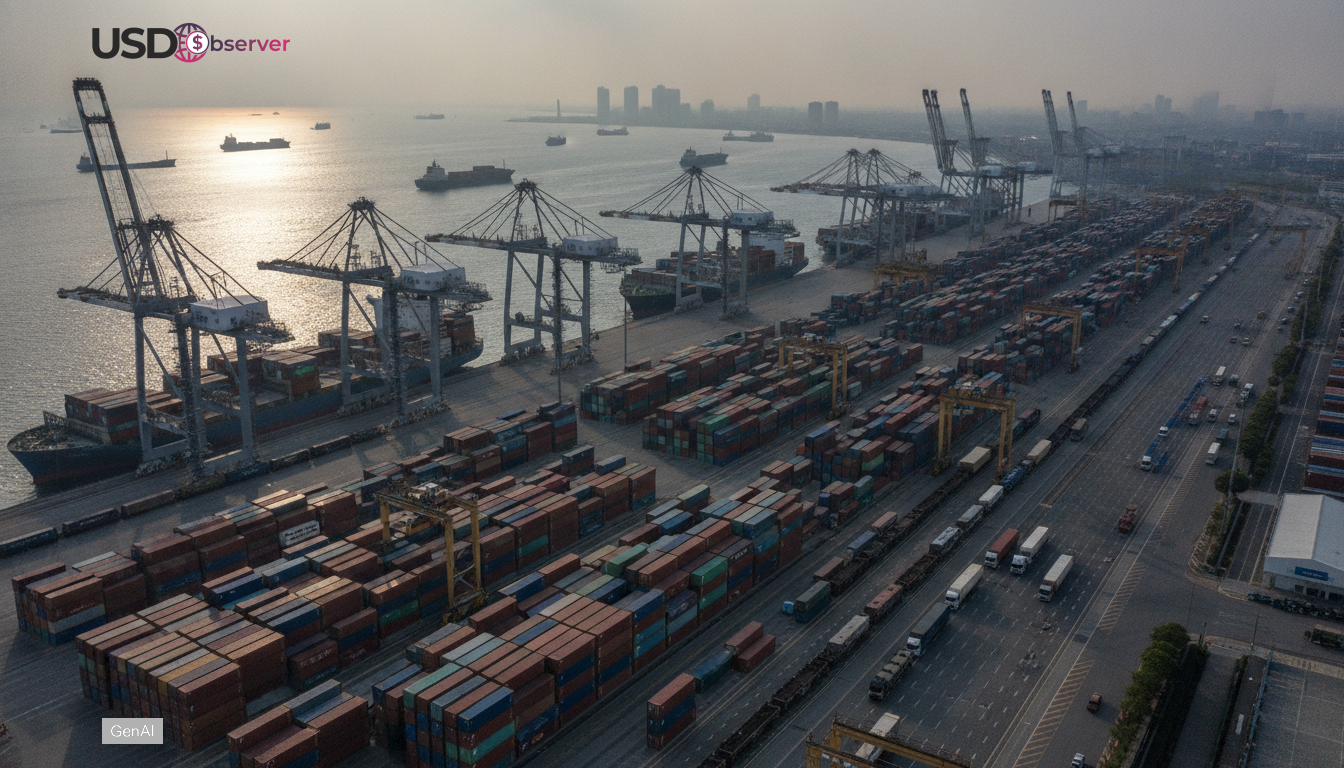
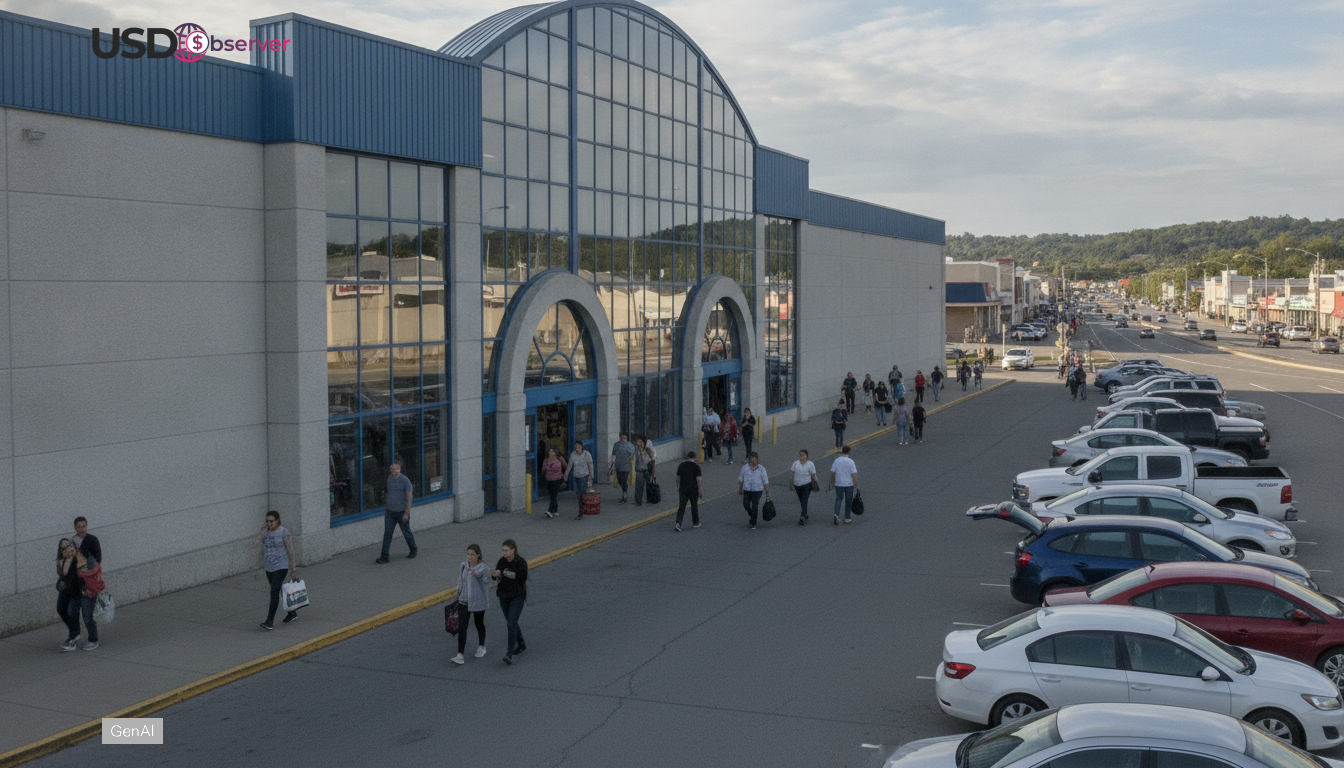
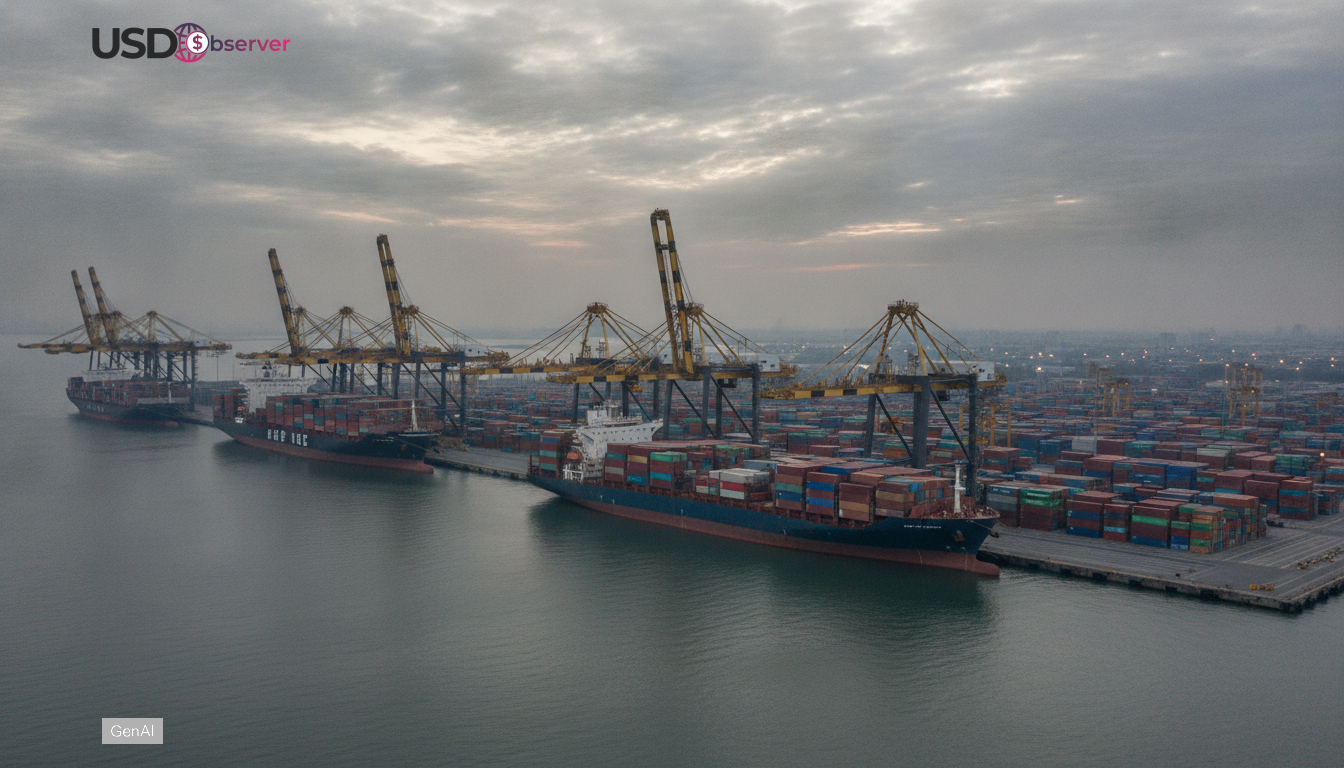
The clearest near-term risk is potential disruption to cross-border supply chains that rely on predictable rules of origin and low-friction logistics, if tariff threats translate into policy actions. In past rounds of tariff threats, some manufacturers have responded by shifting sourcing, building inventory buffers, and renegotiating contracts, as commonly reported in corporate commentary during trade-policy shocks. Markets also watch sector exposure: autos, metals, agriculture, and energy products tend to appear early in tariff headlines and retaliation lists, based on prior dispute patterns. For macro context, US trade war uncertainty can intersect with domestic demand signals, including retail and consumer spending trends covered in Walmart sales decline deepens as US shoppers pull back. Policymakers in both capitals typically frame the issue in jobs and strategic-industry terms, as noted in public statements, which can extend the timeline for compromise.
Market Moves: USD, CAD, Equities and Commodities
Equity index futures and industrial commodities often react quickly to tariff escalation because investors can map headlines to earnings risk and manufacturing sentiment. In FX, CAD can become a direct barometer for trade headlines, while the USD may often benefit from safety bids and shifts in funding demand during risk-off periods. Rates markets can show a simultaneous bid for short-dated safety and uncertainty around longer-term inflation expectations if tariffs lift import prices, a relationship discussed in past tariff cycles by economists and central banks. Investors watching dollar-linked instruments also track stablecoin and liquidity dynamics; the portal analysis Tether Holds Stablecoin Lead as Rivals Close In provides additional context on how risk events can coincide with shifts in demand for dollar proxies. Volatility tends to rise when headlines arrive without clear implementation details, based on typical trading responses to policy uncertainty.
Geopolitical Spillovers That Can Amplify the US Trade War Narrative
Tariff threats rarely occur in isolation, and markets often price them alongside sanctions and broader geopolitical pressure. Analysts commonly note this interplay when multiple policy tools are in play. For instance, the US Treasury secretary’s statement that Iran faces the “greatest financial offensive ever,” as reported by the BBC, highlights how such issues can merge. When multiple policy tools are discussed simultaneously, risk assets can react more sharply, with investors seeing a potential tightening in global financial conditions. For shipping and trade-flow sensitivity, disruption risks also matter to transit routes and pricing power, a theme explored in Panama Canal shipping hit as El Nino cuts transits. In that environment, the US trade war label can become shorthand for a broader volatility regime rather than a single bilateral dispute.
How Investors Hedge and Plan Around Trade Policy Risk
If tariff talk hardens into policy, the long-term impact can be structural, with firms potentially redesigning supply chains toward redundancy and more regional sourcing, often discussed in supply-chain strategy analysis after major trade shocks. This shift matters for inflation sensitivity and currency valuation because higher local production costs can persist even when demand cools, according to macroeconomic reasoning. For portfolios, the practical response is tighter scenario analysis around tariff rates, retaliation probability, and customs delays, translating these paths into hedging needs for CAD exposure, USD funding spreads, and commodity-linked correlations. Trade uncertainty can also interact with debt and issuance conditions; bond market linkages are discussed in US economy debt milestone jolts bonds and the dollar, and that interaction can become more visible around US Treasury auction dates and CPI releases. The most effective approach is disciplined: price known rules, stress test tail outcomes, and stay ready for sudden policy-language changes.