US-Canada trade war: why tariff risks are rising
The US-Canada trade war is reportedly back on boardroom agendas as firms price in the risk of new tariffs and tougher border checks. With annual two-way goods trade measured in the hundreds of billions of dollars, even small duty changes can ripple quickly through autos, food, and industrial inputs. Companies are rewriting contract terms to clarify who pays duties, how long quotes remain valid, and what happens if rates change mid-shipment. According to certain reports, manufacturers are warning that added border costs could erase margins and force staffing cuts. For many importers, the immediate worry is not only the tariff level but also slower customs processing and more documentation.
Impact of new import tariffs on costs and shipping
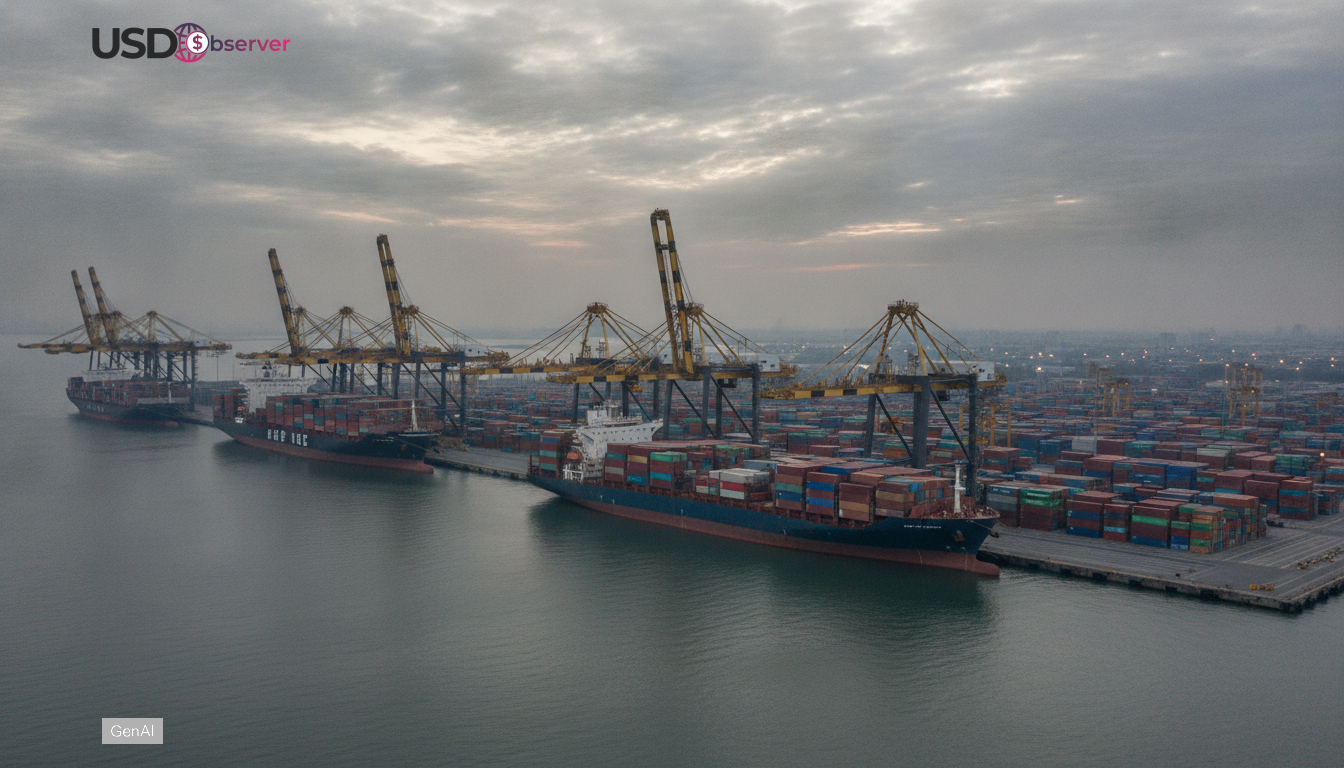
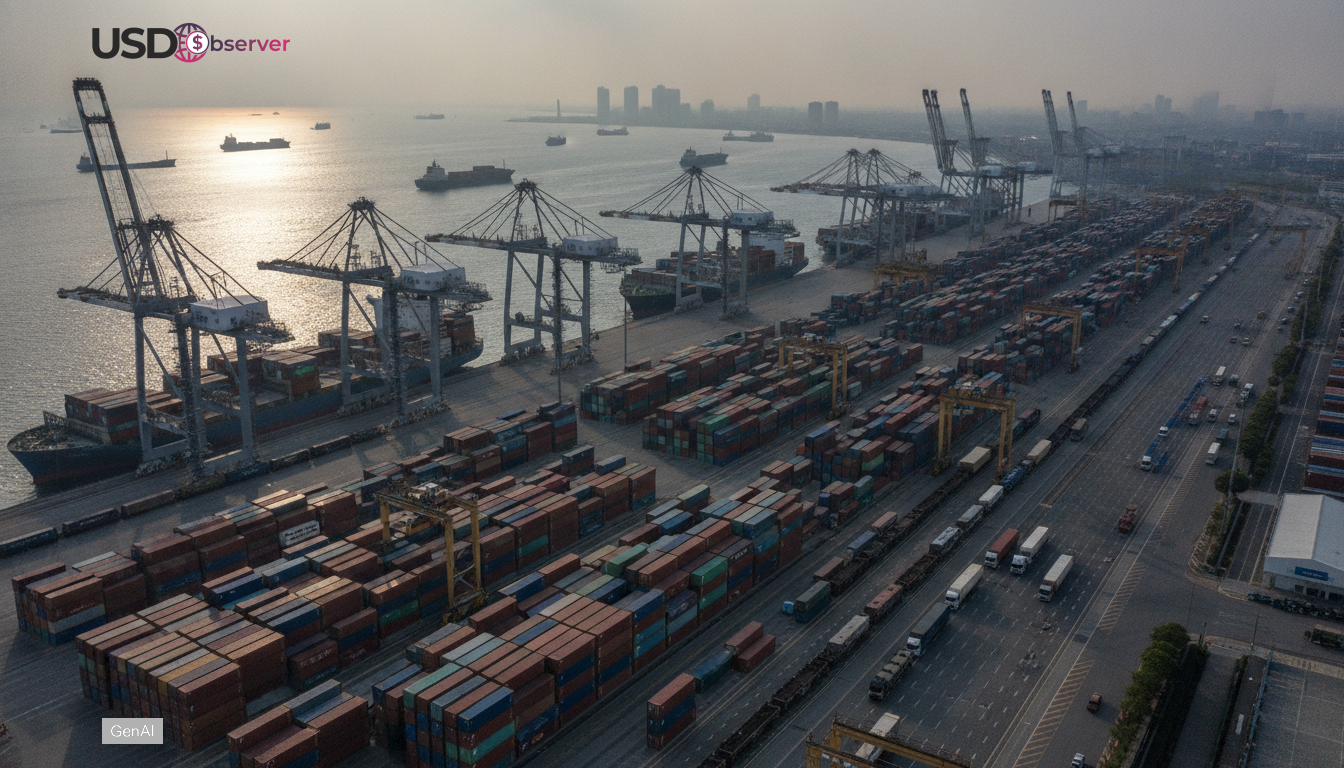
New rounds of import taxes are being priced into contracts as companies anticipate higher landed costs and slower customs processing. In an interview carried by Reuters, one manufacturer said the added costs could erase margins and force layoffs as orders shift to lower duty suppliers. The same pressure is visible in commodity inputs, where buyers request re-quotes that separate duties from freight and insurance. Related logistics strain has been visible in other chokepoints, including Panama Canal shipping hit as El Nino cuts transits, and some firms are front-loading shipments ahead of potential effective dates, then pausing purchases once warehouses fill. Freight planners also cite tighter delivery windows and higher fees for brokerage and compliance.
Business reactions across borders and financial hedging
Executives on both sides of the border are responding with contingency planning rather than public ultimatums, since many supply chains are jointly owned. As indicated by sources, a sudden tariff jump could remove long-standing customers and make cross-border components uncompetitive. For a view of how liquidity and risk appetite can shift in markets, see Tether Holds Stablecoin Lead as Rivals Close In, which tracks capital flows during periods of uncertainty, and some firms are switching to domestic substitutes even when specifications differ. Others are moving final assembly to qualify for different tariff treatment under existing rules. Financial hedging is rising too, with treasury teams watching CAD USD spreads and seeking more flexible credit lines.
Economic implications: inflation pass-through and demand
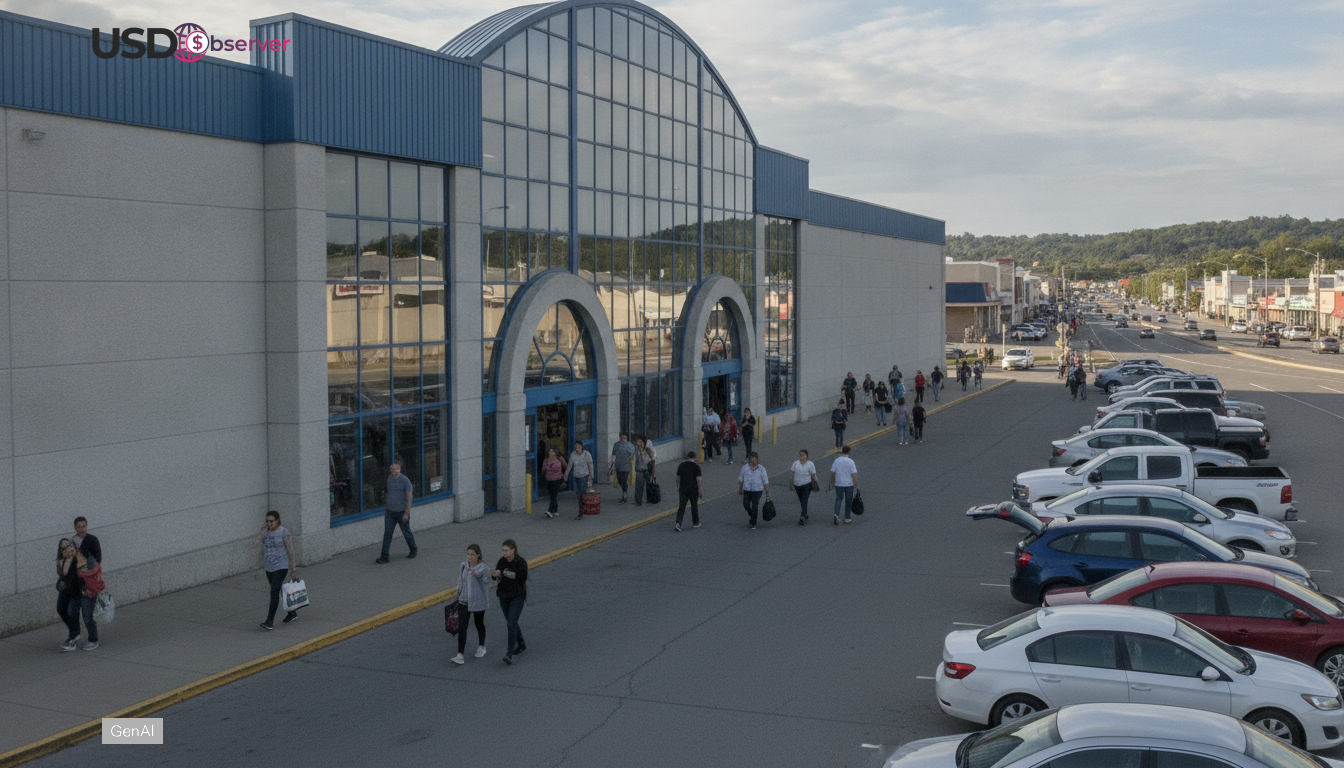
Economists track broader spillovers through trade volumes, inflation pass-through, and business investment intentions, all of which can change quickly when policy risk rises. The US-Canada trade war would most directly hit sectors with tightly integrated production such as autos, energy services, and packaged food, where parts can cross the border multiple times. A similar sensitivity shows up in US consumer channels, where Walmart sales decline deepens as US shoppers pull back illustrates how price pressure can weaken demand, and the Bank of Canada has previously warned that tariff shocks can push prices up while cooling growth. Many firms are delaying capex approvals until tariff scope is clearer, a difficult combination for interest rate decisions.
Negotiations, exemptions, and the outlook for trade
Negotiators have a narrow path to reduce harm without appearing to concede, and the most practical moves focus on process rather than rhetoric. Trade lawyers say targeted exemptions, longer phase-in periods, and clearer rules of origin guidance can lower disruption while formal talks continue. The BBC has documented how policy-driven financial pressure can reshape corporate behavior, and its reporting in Iran faces ‘greatest financial offensive ever’, says US treasury secretary provides context for how governments use economic levers, while the most immediate relief often comes from administrative fixes that cut paperwork, speed rulings, and limit surprise enforcement at the border. If the US-Canada trade war persists into the next review cycle, more firms may redesign products and supplier networks, keeping cross-border investment cautious.