Why electric cars in India are gaining attention
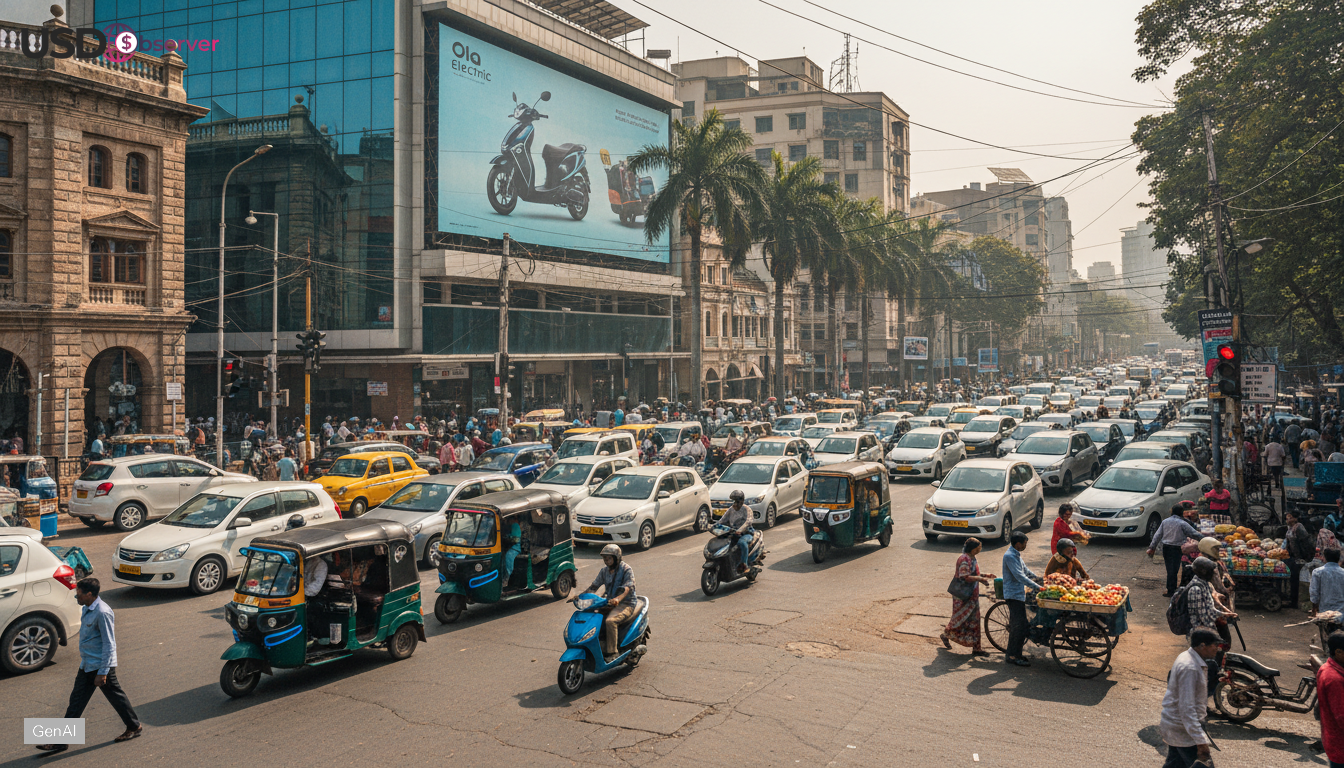
Rising petrol and diesel prices are affecting household transport budgets and encouraging some buyers toward alternatives in major cities, as indicated by dealer feedback and consumer surveys in the auto sector. Dealers note that more showroom discussions now prioritize total cost of ownership over performance or features, with financing talks often focused on monthly fuel expenses. For many inquiries, electric cars in India are seen as a means to reduce exposure to variable pump prices rather than as a lifestyle purchase. Shoppers also tend to assess real-world range against their commute before committing, using typical buyer checklists provided by retailers. Automakers appear to be adapting by adding variants and managing delivery schedules, according to company announcements and dealership commentary.
Costs, charging access, and financing barriers
Reports suggest that higher energy costs can lead to challenges in the ecosystem, particularly in public charging availability, apartment access, and uneven service coverage beyond major cities, as buyers and industry groups frequently note. Evaluating EV ownership, people often find that insurance terms, battery warranty conditions, and resale assumptions differ by model and lender, according to policy documents and lender disclosures. Comparatively, some analysts monitor policy impacts in digital finance, such as Mastercard expands stablecoin settlement options. Many lenders advertise repayments against predicted fuel savings, but interest rates and down-payment requirements can still impact demand, based on usual auto-loan terms. Consequently, some households remain cautious, influenced by fuel costs and current financial policies.
Policy support and manufacturing push
Policy support is increasingly structured around adoption measures like charging corridors and localized manufacturing, based on public program documents and state-level notifications. The Ministry of Heavy Industries has outlined demand incentives and domestic production objectives under electric mobility initiatives, according to ministry releases. State governments also adjust registration fees and road-tax structures to influence pricing. Market observers follow related technology debates, including We need to stop AI developing without humans, says Anthropic co-founder. For consumers comparing electric cars in India, policy clarity is crucial as subsidies and tax treatments can affect the final purchase price, varying with eligibility and local rules. Analysts agree that clear, rules-based incentives can encourage first-time buyers.
How automakers and suppliers are adjusting
As electric vehicles gain broader appeal, the automotive market is shifting investment toward batteries, software, and supplier adaptation, according to company plans and industry commentary. The Society of Indian Automobile Manufacturers emphasizes the need for component localization to reduce import reliance for cells and critical minerals, based on SIAM statements and presentations. This transition may affect jobs and margins across the value chain, with some traditional engine suppliers facing uncertainty as newer technologies develop, as industry analysts commonly observe. Globally, related industrial automation efforts are notable, such as Humanoid Robots Amid Ukraine War: BMW Plant’s Strategic Move. Manufacturers also explore sales models like subscriptions and buyback assurances to address depreciation concerns, according to product offers disclosed by brands and dealers. For consumers in India, these supply chain and retail transformations can impact availability, pricing, and after-sales service.
Renewables, the grid, and what comes next
The long-term environmental impact of electrification is tied to power generation practices, with renewable energy additions and grid performance influencing perceptions of the transition, according to the International Energy Agency’s reports on power-sector transitions. In that context, EV adoption is often evaluated alongside home-charging feasibility, rooftop solar potential, and time-of-use tariffs where available. Utilities and policymakers in some regions experiment with managed charging to balance load periods, as detailed in pilot program descriptions and utility comments. India’s dependence on imported fossil fuels is widely discussed by policymakers and analysts as a reason to promote domestic renewables and enhance energy efficiency. Although execution varies by state, the general policy direction aims at cleaner energy supply and improved grid readiness.