Global Economy
Policy Voices on Stablecoins and Dollar Liquidity
Stablecoins have moved from the margins of crypto into the center of global financial debate


Stablecoins have moved from the margins of crypto into the center of global financial debate
The ebb and flow of the Federal Reserve’s balance sheet has become one of the most important drivers of U.S. dollar liquidity.
The U.S. dollar’s safe-haven status has been tested repeatedly during recessions and global downturns
For decades, the relationship between oil prices and the U.S. dollar has puzzled economists and traders. Conventional wisdom suggests that higher oil prices should weaken the dollar, as import costs rise and trade balances deteriorate

The Federal Reserve’s path from quantitative easing (QE) to rate liftoff between 2013 and 2015 remains one of the most studied policy transitions of the last decade
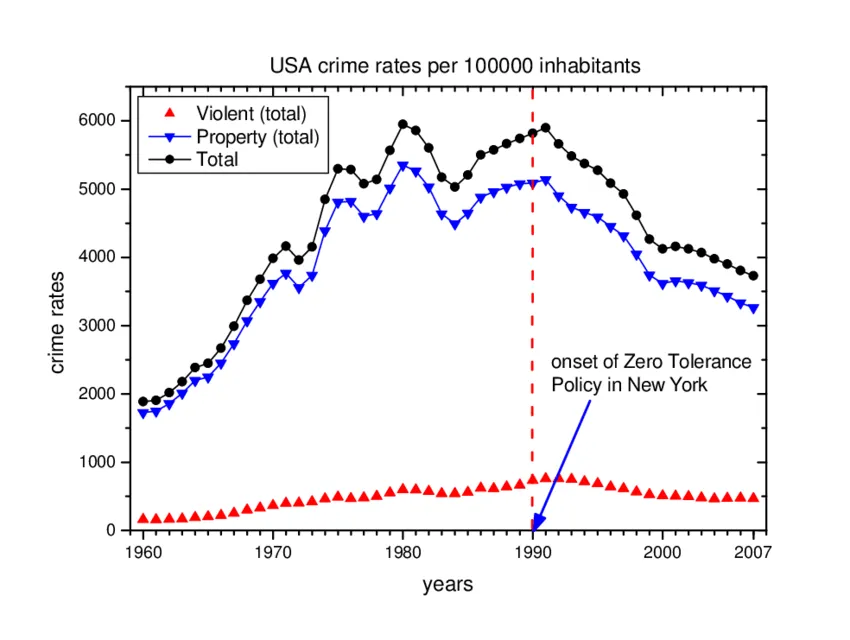
From 2019 to 2024, the dollar’s path was dominated by macro forces (pandemic shocks, inflation, and the Fed’s historic hiking cycle)

Between 2018 and 2024, climate-driven disasters—hurricanes, wildfires, floods, and heatwaves—tested not only local economies but also global financial flows
Between 2021 and 2024, the U.S. dollar was pulled in two directions. On one side, the Federal Reserve’s battle with inflation and employment dynamics shaped yields and forward guidance

The COVID-19 pandemic triggered one of the fastest and deepest financial shocks in modern history. In response, the U.S. Federal Reserve took unprecedented emergency measures, cutting interest rates to near zero within weeks

By mid-2023, the U.S. economy was caught in a paradox: inflation was cooling, recession chatter was loud, yet the dollar held firm