By [Your News Site] | FX & Macro Insight | 2023 Mid-Year Analysis
The Macro Backdrop
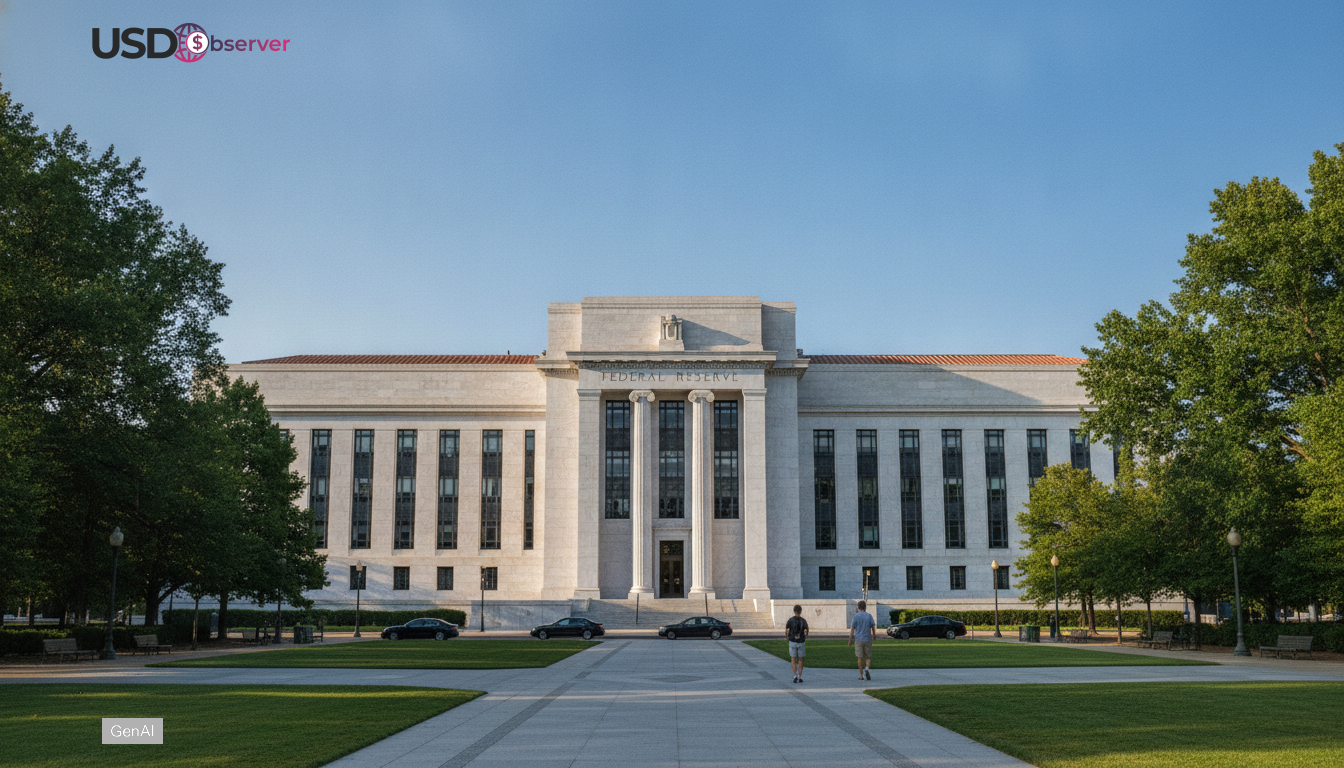
By mid-2023, the U.S. economy was caught in a paradox: inflation was cooling, recession chatter was loud, yet the dollar held firm. At the June FOMC meeting, the Federal Reserve ended a streak of ten consecutive hikes, holding rates at 5.00–5.25%. Markets initially viewed the move as dovish, but the Fed’s tone was anything but soft—it signaled more tightening later in the year.
The pause was not born of weakness, but of data calibration. GDP growth remained positive, unemployment stayed near historic lows, and the labor market showed remarkable resilience. Together, these metrics justified a tactical pause while leaving the door open for more hikes.
GDP Growth: Still in Positive Territory
- Q1 2023 GDP: The U.S. economy expanded at a 2.0% annualized rate, surprising to the upside after an initial estimate of 1.1%. Consumer spending accelerated, underscoring household resilience despite higher borrowing costs.
- Q2 2023 GDP: Growth slowed but remained positive at 2.1%, reinforcing the Fed’s view that the economy was decelerating but not contracting.
- On a YoY basis, GDP growth in mid-2023 hovered near 2.4%, strong compared to Europe and China, where growth weakened significantly.
This steady output gave the Fed confidence that tightening had not tipped the economy into recession—yet. It also reinforced global investor confidence in the U.S., underpinning dollar demand.
Unemployment: Historically Tight Labor Market
- Unemployment Rate: By June 2023, the unemployment rate was 3.6%, near a half-century low.
- MoM trends: Monthly data showed fluctuations within 0.1–0.2 percentage points, but the broader story was labor market tightness. Employers continued hiring, with payrolls adding 209,000 jobs in June, even as job growth slowed from 2022’s blistering pace.
- YoY lens: Unemployment had barely risen from 3.5% in June 2022, signaling remarkable labor resilience despite aggressive rate hikes.
A still-tight labor market suggested underlying economic strength, allowing the Fed to pause without signaling panic. In fact, Fed Chair Jerome Powell stressed that the pause was a chance to “assess incoming data,” not to relax policy.
Why the Dollar Stayed Strong
Normally, a Fed pause might weaken the dollar. But in 2023, several forces kept the greenback resilient:
- Relative Outperformance: U.S. GDP growth and low unemployment contrasted sharply with stagnation in Europe and Japan. This divergence drew capital toward U.S. assets.
- Fed’s Hawkish Pause: Policymakers’ projections pointed to rates peaking above 5.5% later in the year. Markets understood the pause as tactical, not dovish.
- Safe-Haven Flows: With recession fears abroad and geopolitical tensions simmering, the dollar retained its role as a safe-haven.
By July, the U.S. Dollar Index (DXY) hovered in the 101–103 range, avoiding a collapse despite expectations for eventual rate cuts in 2024.
Global Context: Divergence Matters
- Eurozone: Struggled with near-stagnation, energy headwinds, and higher unemployment.
- China: Growth slowed amid a property crisis and weak consumer demand.
- Japan: The Bank of Japan maintained ultra-loose policy, widening yield differentials.
This policy divergence was a major reason why the Fed’s pause did not translate into a weaker dollar. Even standing still, U.S. rates remained well above most peers.
Key Takeaways
- GDP resilience (2%+ growth) provided the Fed room to pause without risking credibility.
- Unemployment stability (~3.6%) reinforced the idea of a “soft landing,” showing that rate hikes hadn’t yet broken the labor market.
- Dollar strength reflected not just Fed action, but global comparison: the U.S. looked stronger relative to peers.
Conclusion
The mid-2023 Fed pause wasn’t about weakness—it was about recalibration. With GDP expanding and unemployment near record lows, the Fed could momentarily stop hiking to assess progress against inflation. Meanwhile, the dollar stayed resilient, buoyed by relative U.S. strength, hawkish guidance, and safe-haven demand.