Lessons from bond-market turmoil and its lasting imprint on USD cycles.
By Andreas Antonopoulos | Author & Financial Educator
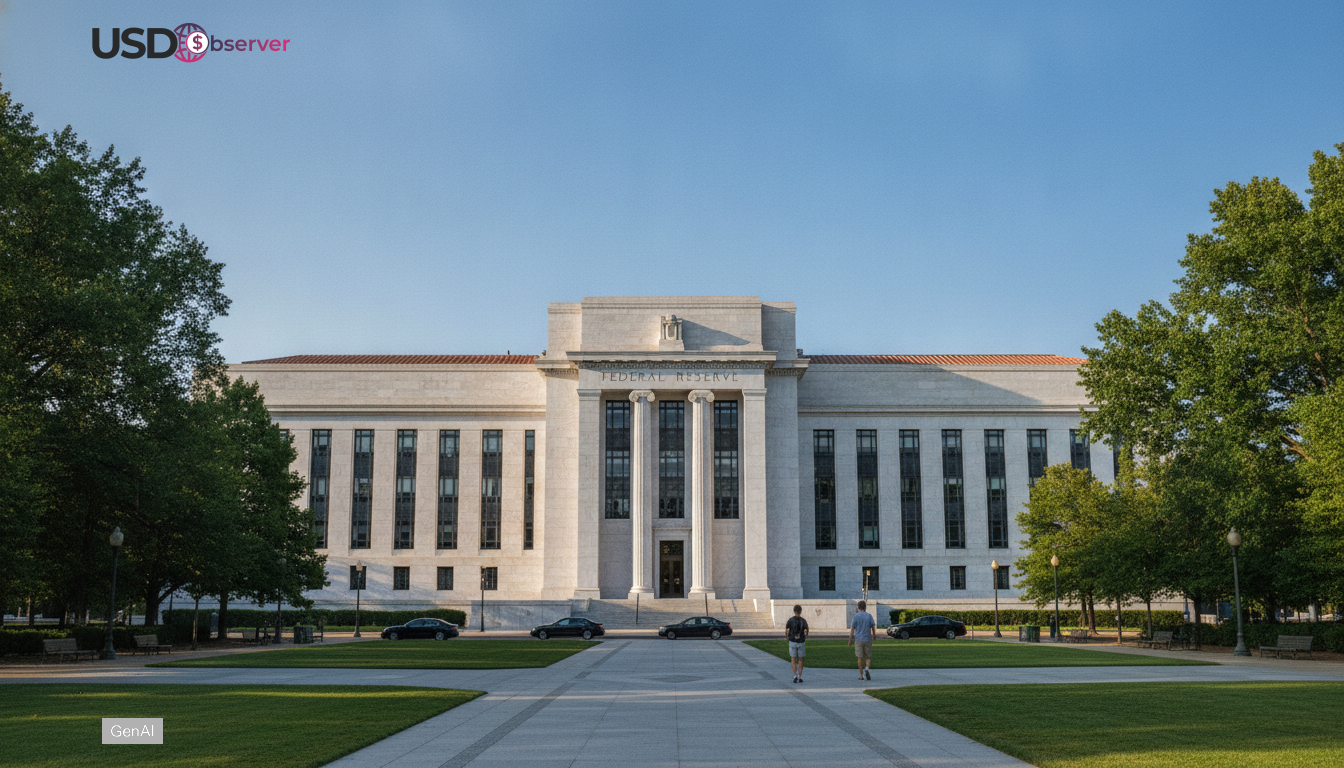
The Federal Reserve’s path from quantitative easing (QE) to rate liftoff between 2013 and 2015 remains one of the most studied policy transitions of the last decade. The “taper tantrum” of 2013 — when then-Chair Ben Bernanke signaled an eventual slowdown in asset purchases — set off global market turbulence that reshaped capital flows, emerging-market vulnerability, and the U.S. dollar’s trajectory.
From QE to Taper
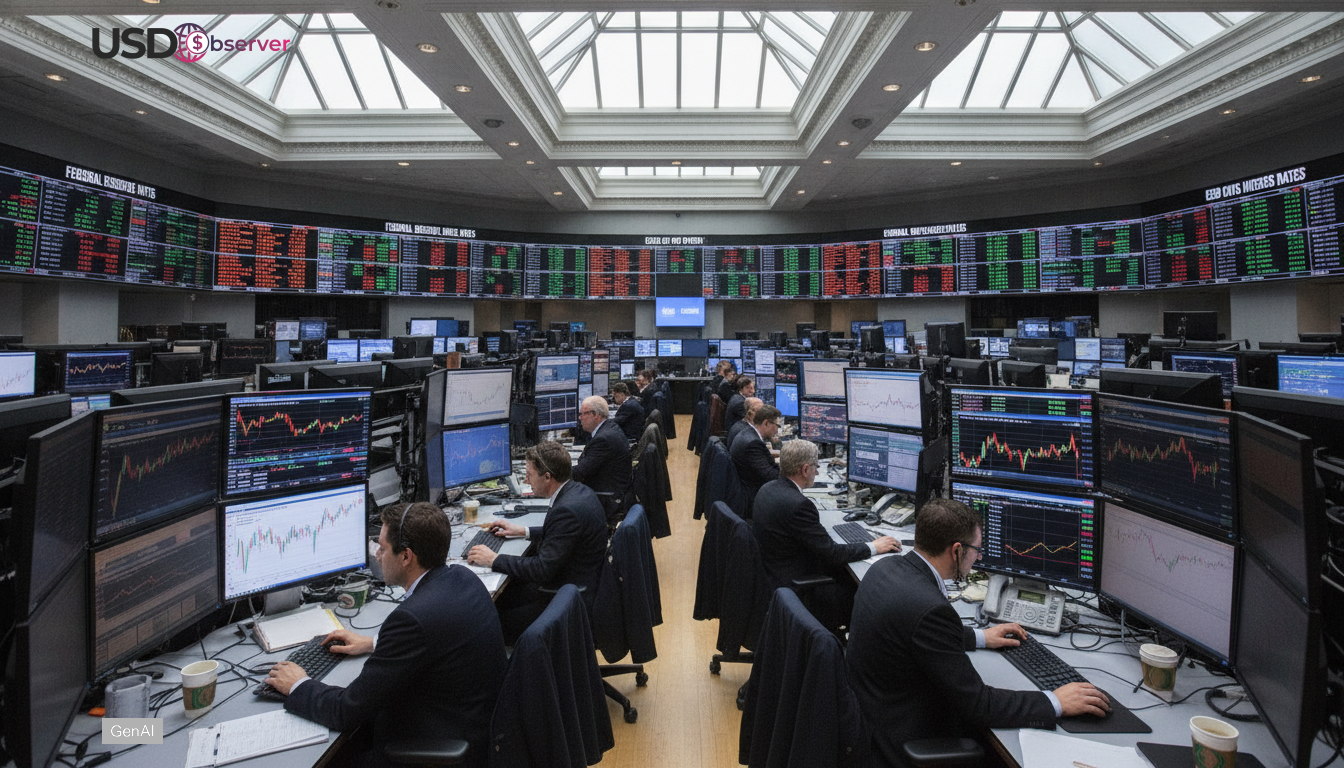
In May 2013, Bernanke suggested the Fed could begin tapering QE “in the next few meetings.” Markets panicked. Treasury yields surged, equity volatility spiked, and capital fled emerging markets. The dollar strengthened sharply against high-beta currencies as investors sought safety in U.S. assets.
By December 2013, the Fed formally announced a gradual taper, reducing purchases of Treasuries and mortgage-backed securities. By October 2014, QE had ended. This transition laid the groundwork for the eventual December 2015 rate hike — the first in nearly a decade.
MoM and YoY Indicators: Data Supporting Exit
- Employment: Nonfarm payroll growth averaged +200k per month from 2013–15. Unemployment fell from 7.5% in early 2013 to 5.0% by late 2015, its lowest since 2008.
- Wages: Wage growth was subdued, averaging ~2.2% YoY, reflecting slack in the labor market.
- Inflation: CPI hovered around 1.5–2% YoY, with MoM volatility reflecting swings in energy prices. Core PCE inflation struggled below target, reinforcing gradualism.
- External Indicators: NOAA reported ~$25 billion in climate-related damages in 2013 and over $15 billion in 2014, highlighting ongoing environmental costs. FBI crime data showed YoY declines in property and violent crime during the period, reinforcing the Fed’s confidence in stability.
These MoM and YoY data points suggested recovery was durable, even if inflation remained soft.
Dollar Performance
The dollar strengthened markedly in this period. The DXY rose from ~80 in mid-2014 to over 100 by March 2015, reflecting both anticipation of Fed hikes and divergent policy abroad. The European Central Bank launched QE in 2015, while the Bank of Japan expanded its easing — widening yield spreads in the dollar’s favor.
Emerging-market currencies suffered disproportionately. The Indian rupee, Turkish lira, and Brazilian real weakened sharply in 2013–14 as capital outflows surged.
Market Lessons from the Tantrum
The taper tantrum highlighted three enduring dynamics:
- Forward guidance matters as much as action. Bernanke’s signal alone triggered global repricing.
- Dollar demand is structural. Even with subdued U.S. inflation, global capital sought greenbacks when policy divergence widened.
- External vulnerabilities amplify shocks. EM currencies with high external debt and current account deficits saw the steepest declines.
Looking Back
By the time of liftoff in December 2015, the tantrum scars had faded, but the lesson was clear: U.S. monetary policy transitions, even gradual ones, can ripple worldwide. For the dollar, the taper-liftoff cycle reinforced its role as the anchor of global finance — and a reminder that in FX, expectations can move markets faster than policy itself.