Implications of Dollar Reliance for India
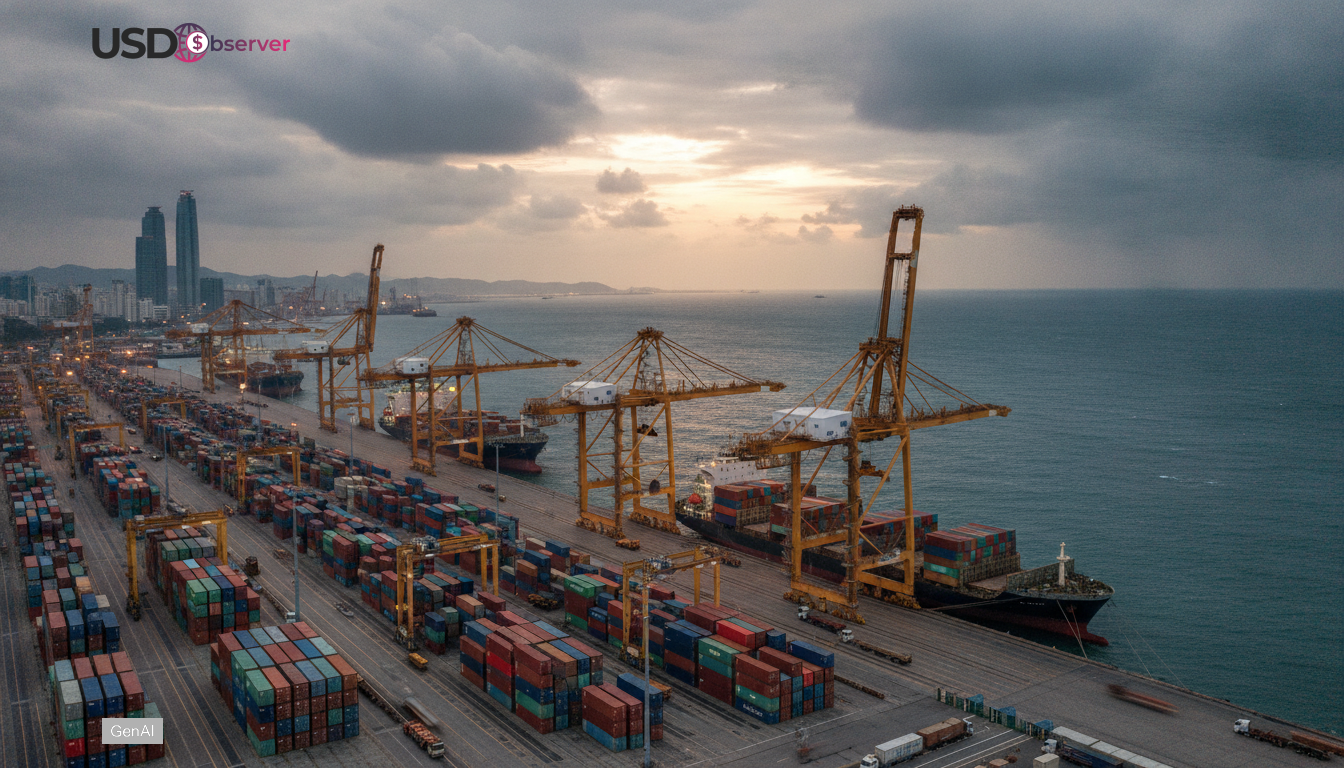
Large shares of oil and many industrial inputs are often invoiced in dollars, so a stronger dollar can raise rupee costs regardless of volume stability. India’s dependency on the US dollar influences how trade, energy imports, and cross-border finance transmit global shocks into the domestic economy. The Reserve Bank of India’s (RBI) reports on foreign exchange reserves and their intervention tools are crucial when the rupee comes under pressure. Exposure becomes evident when hedging costs rise and dollar liquidity tightens, impacting corporate treasuries and bank balance sheets. The nuanced question is the extent of India’s exposure when the global dollar cycle changes.
Trade, Energy, and Settlement Channels
Considering that most globally traded crude oil is priced in dollars, India’s import costs can be affected by USD fluctuations even if Brent prices remain stable. Banks and fintech firms are exploring tokenized systems to reduce settlement friction, as seen in Banks use stablecoin technology to speed loan funding. Estimates suggest India’s crude oil imports were about 4.7 million barrels per day in 2022, highlighting the FX demand this creates. In relation to digital dollar payments, JPMorgan Stablecoin Plan Targets Digital Dollar Payments illustrates institutional focus on reducing USD pricing friction and operational risk.
Risks and Transmission: Inflation, Reserves, and Costs
When the dollar strengthens, India may encounter higher costs for energy and intermediate goods, potentially complicating inflation management and profit margins. An article from US Dollar Observer notes how US rate expectations impact FX conditions. RBI publications discuss exchange rate pass-through, which may become more pronounced during commodity shocks. As a rough measure, India’s foreign exchange reserves are often mentioned in media as being around $600 billion, though the exact level changes over time according to RBI data.
Reducing Dollar Exposure
Mitigation is more about increasing settlement, hedging, and funding options rather than abandoning the dollar. For insights on USD market signals, Crypto USD price signals as miners pivot to AI data gives a perspective on dollar sentiment. The RBI’s Financial Stability Report emphasizes liquidity buffers and stress testing, suggesting corporate FX exposure could benefit from matched foreign currency revenues, longer hedges, and diversified borrowing. India can marginally reduce currency concentration risk by enabling local currency invoicing and improving access to onshore derivatives.
Outlook and Policy Watchpoints
Policy is expected to prioritize stability and optionality rather than dramatic changes, while the RBI manages volatility and allows the rupee to adjust as needed. India’s dollar exposure will continue influencing policy decisions between inflation control and growth, especially amidst rising US rates and dollar strength. Steps like deeper onshore hedging markets and better corporate FX exposure disclosure can decrease vulnerability without disrupting trade. It will be essential to observe buffer management and hedging capability during future global dollar liquidity tightening phases.