March 2020 — Washington, D.C. The COVID-19 pandemic triggered one of the fastest and deepest financial shocks in modern history. In response, the U.S. Federal Reserve took unprecedented emergency measures, cutting interest rates to near zero within weeks. But in a paradox that stunned many, the U.S. dollar surged instead of weakening, as global traders and institutions scrambled to secure greenbacks for safety and liquidity.
The Fed’s Emergency Pivot
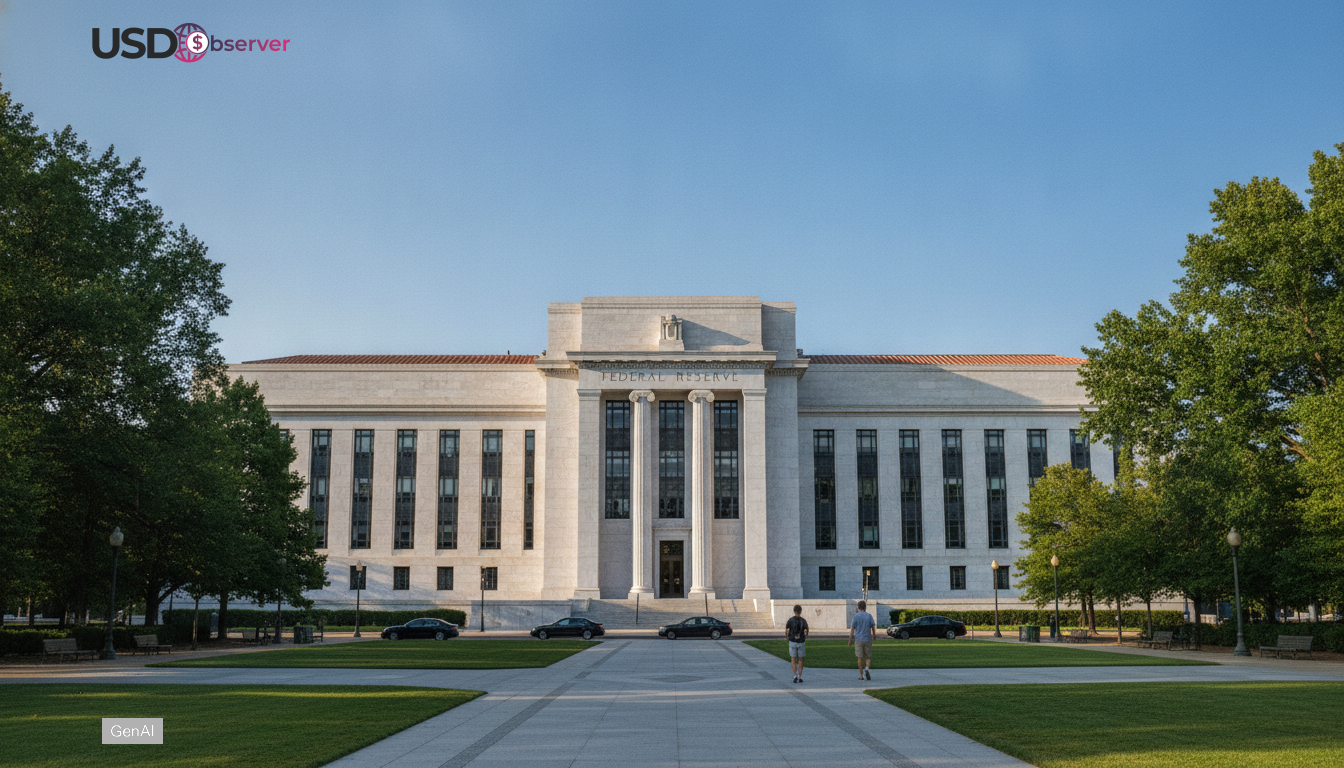
On March 3, 2020, the Federal Reserve made its first emergency cut since 2008, lowering the federal funds rate by 50 basis points. Less than two weeks later, on March 15, policymakers slashed rates again by 100 basis points, bringing borrowing costs down to 0–0.25%.
At the same time, the Fed announced $700 billion in asset purchases, reopened liquidity facilities from the global financial crisis, and pledged to use “all available tools” to stabilize markets.
Normally, such aggressive easing erodes the appeal of the dollar. Lower yields mean lower returns for investors holding USD assets. Yet March 2020 proved the exception.
Traders Rushed Into USD
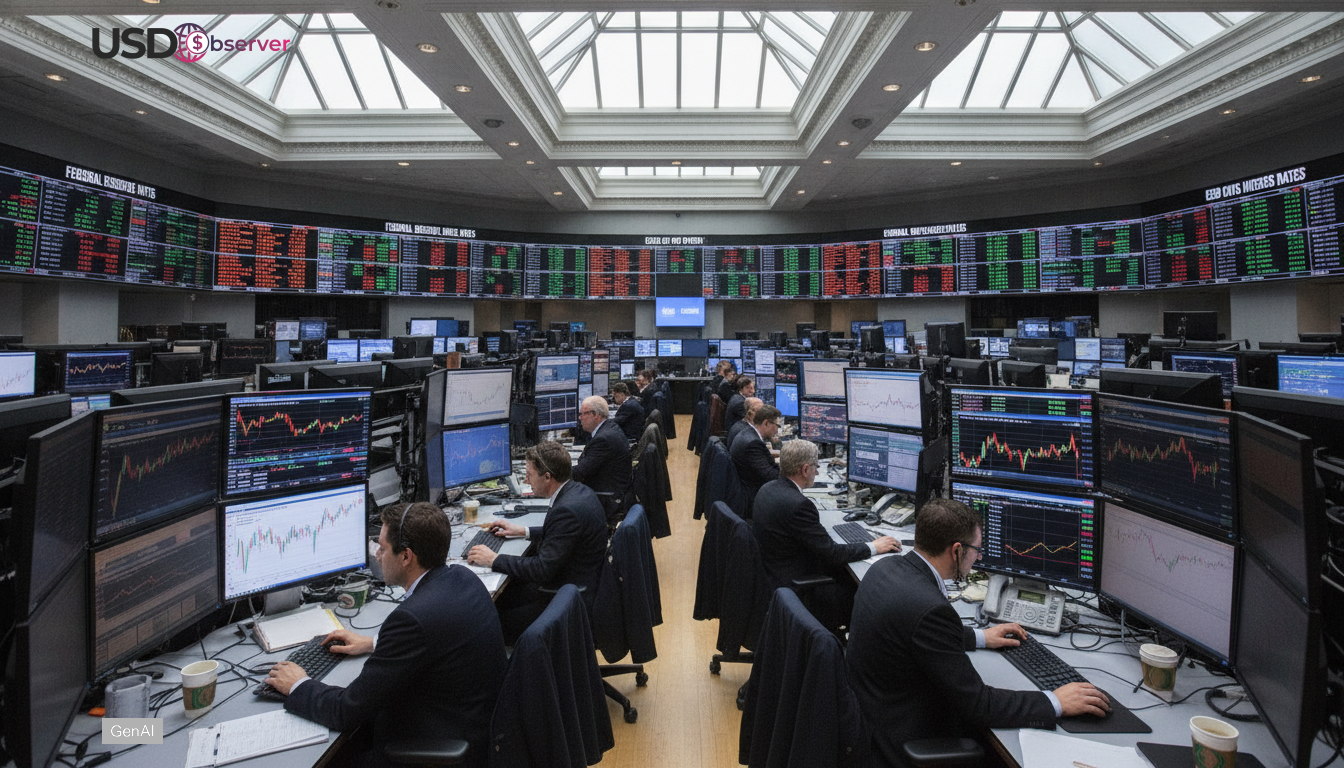
Despite collapsing yields, the U.S. Dollar Index (DXY) spiked to its highest level in over three years. Demand for the dollar surged worldwide, driven not by yield-seeking investors but by corporations, banks, and governments desperate for liquidity.
- Corporations needed dollars to service debt.
- Investors liquidated assets and parked in USD as cash.
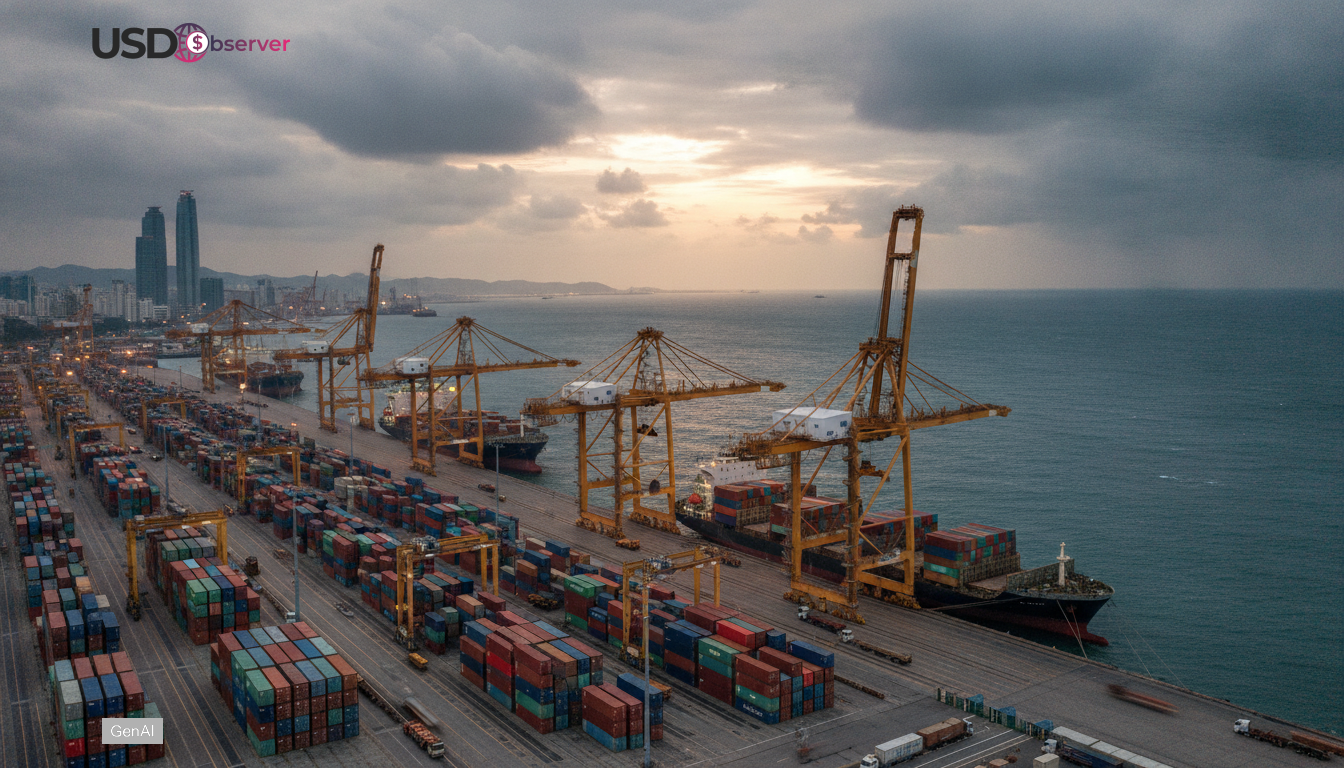
- Emerging markets faced capital flight, with currencies like the Mexican peso and South African rand tumbling against the greenback.
For many, the dollar became less a speculative asset and more a survival tool. As one market strategist noted at the time: “The question wasn’t about the dollar’s return — it was about access to the dollar at all.”
Safe Haven Status Redefined
The March 2020 shock underscored the dollar’s dual role: both as a safe haven and as the backbone of the global financial system. Even at near-zero yields, the greenback remained the most sought-after asset because:
- It dominates global trade and debt markets. Roughly half of global trade is invoiced in USD.
- It anchors global funding. Most international banks rely on U.S. dollar funding for operations.
- It offers unmatched liquidity. In a crisis, the ability to raise cash matters more than yield.
This explains why the dollar rose in lockstep with fear, despite its yield collapsing.
Ripple Effects
The surge in USD demand strained global markets. Emerging economies, heavily exposed to dollar-denominated debt, saw repayment costs balloon. Oil and commodity exporters faced twin shocks of weaker demand and a stronger dollar weighing on prices.
To ease the crunch, the Fed expanded dollar swap lines with other central banks, providing lifelines to institutions abroad. These measures gradually reduced pressure and helped the dollar retreat from its March peak.
Conclusion
The COVID-19 episode revealed that emergency rate cuts do not necessarily weaken the dollar. In fact, the opposite can occur when fear drives global investors into USD for liquidity. The March 2020 rally was a reminder of the currency’s unique role: when markets panic, the world still turns to the dollar — not for yield, but for survival.