Kevin Warsh Fed Policy and the Inflation Test
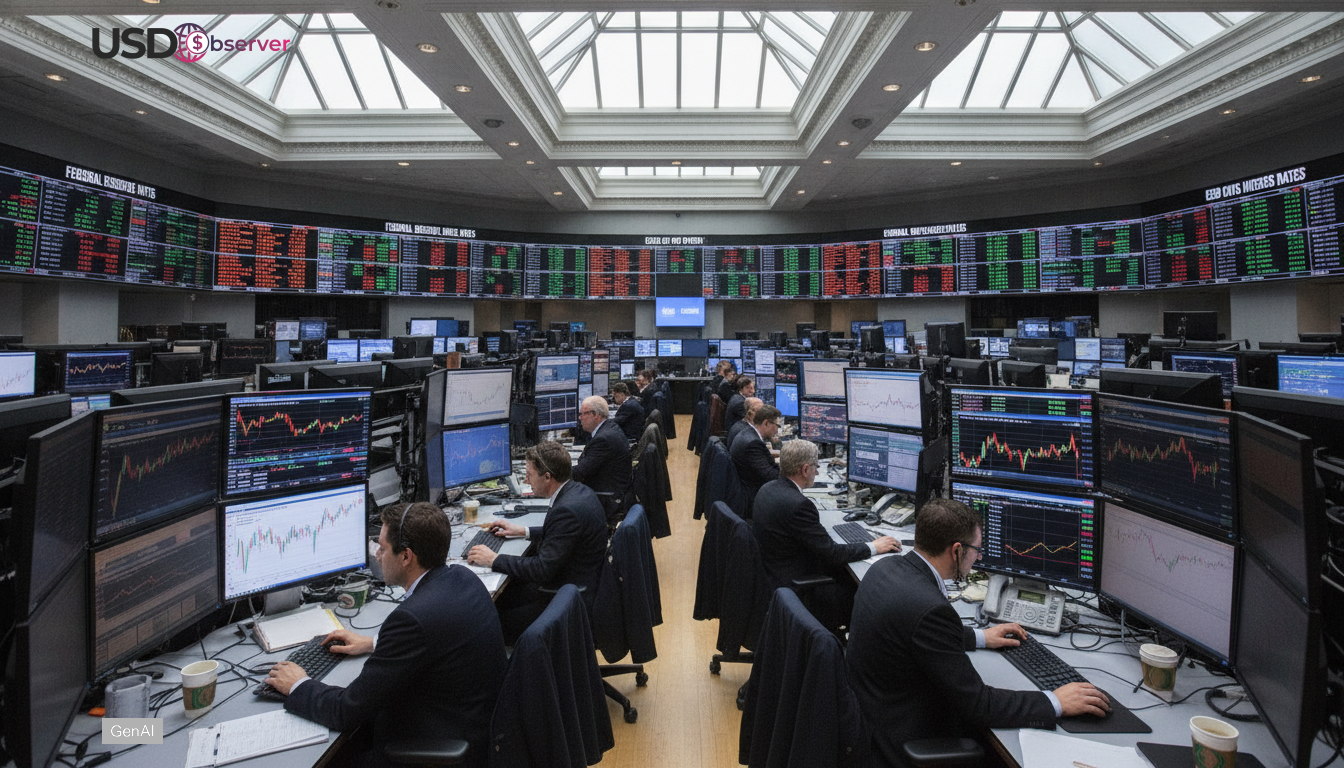
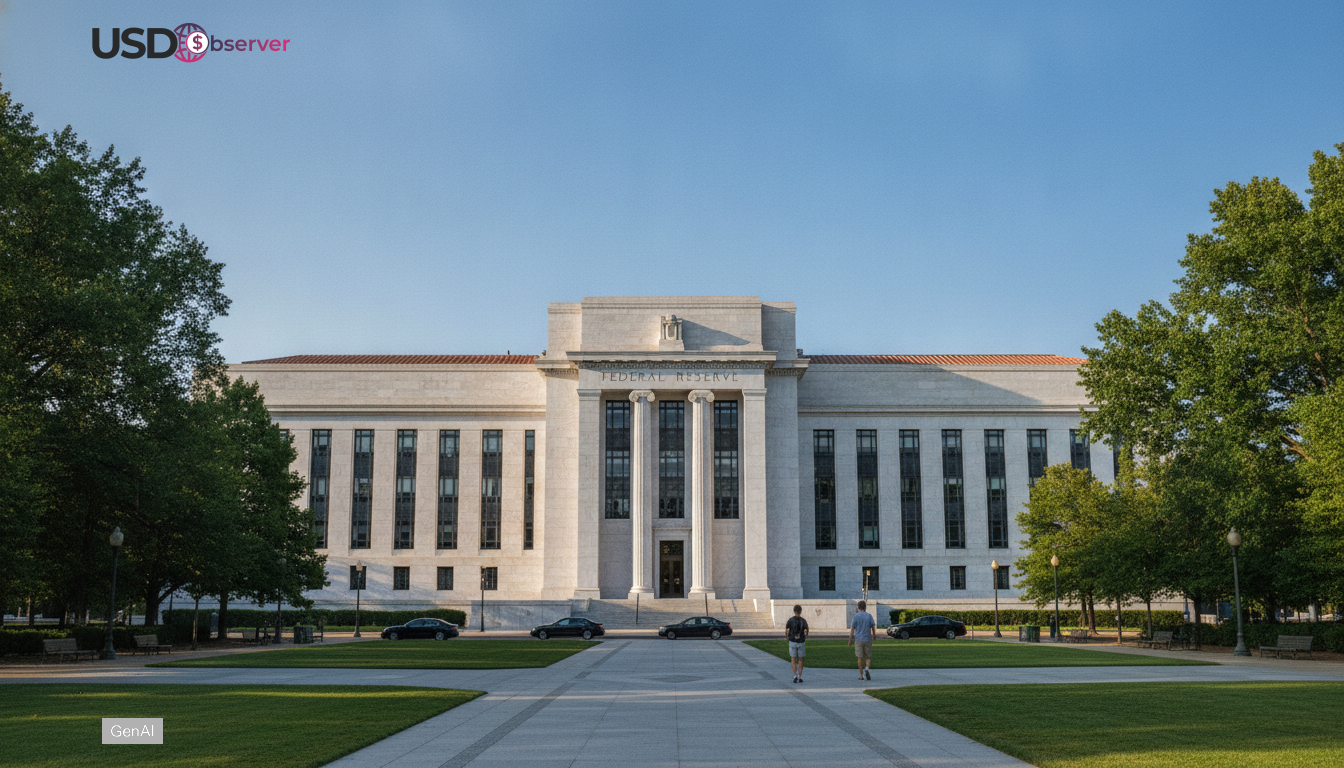
Kevin Warsh says inflation progress still looks incomplete, and that the Federal Reserve might need to keep policy tight if price rises do not ease for Americans. In remarks reported by the BBC, he said the Fed has “work to do” to restore confidence that inflation is moving back toward target. The point matters for rate expectations because sticky services inflation can keep real incomes pressured and complicate forecasts. Investors are watching whether the next few CPI and PCE prints confirm broader disinflation or show renewed heat that delays cuts.
What Warsh Told the BBC and Why It Matters
The BBC report published in 2024 quoted Warsh warning that, according to available reports, the Fed might face a credibility problem if Americans continue to feel higher costs, even after a period of better readings. For markets, the Kevin Warsh Fed policy message can be read as a reminder that restrictive settings might persist, particularly if core services inflation stays firm. See the source here: Fed has ‘work to do’ if price rises don’t ease for Americans, Warsh says. In parallel, plumbing changes can also influence financial conditions; Tokenized Deposits Could Affect US Credit Costs Soon offers a look at how funding channels can interact with policy tightness.
How Higher Rates Flow into Loans, FX, and Liquidity
When the Fed holds rates higher, the impact typically shows up quickly in short-dated Treasury yields and money market pricing, then feeds into mortgages, credit cards, and corporate refinancing. Readers tracking the FX angle can compare rate path shifts and USD reactions in Fed policy influences US forex as rate cuts are reconsidered. For foreign exchange, yield differentials can support the dollar when US policy looks more restrictive than peers, while risk appetite can fade if real rates stay elevated. The overall market effect depends on whether inflation softens fast enough to allow cuts without reaccelerating prices.
Lessons from Past Fed Cycles and Policy Mistakes
In Kevin Warsh Fed policy commentary over time, he has suggested the central risk is misjudging when inflation is truly contained, because history shows pauses can be followed by renewed tightening when price pressures prove persistent. Past cycles also underline that keeping borrowing conditions restrictive for longer can matter as much as the peak level, especially when inflation is driven by services that adjust slowly. This is why investors focus on breadth in disinflation rather than isolated improvements, including during the 2004–2006 tightening cycle often cited by macro desks. A useful exercise is to compare current conditions to earlier periods when rates stayed elevated until confidence improved, and then to assess whether today’s inflation drivers behave similarly.
Investor Takeaways if Inflation Stays Sticky
If inflation remains sticky, investors often emphasize liquidity, balance sheet strength, and durable cash flows, because refinancing risk can rise when rates stay high. In FX, disciplined sizing and attention to carry can help when USD moves are yield driven, particularly around CPI release weeks that can reset rate-cut pricing. In equities and credit, higher discount rates can compress valuations and widen spreads if growth risks increase. For a separate lens on how macro shifts can intersect with digital dollar rails, JPMorgan Stablecoin Plan Targets Digital Dollar Payments highlights payment infrastructure themes that may matter when funding costs are elevated. The key is to avoid assuming a straight line return to target inflation.