Global Economy
Energy Super-cycle or USD Headwind?
How prolonged energy booms affect dollar strength and inflation expectations. By Neha Narula | Economist, MIT Digital Currency Initiative Talk of a new “energy supercycle”


How prolonged energy booms affect dollar strength and inflation expectations. By Neha Narula | Economist, MIT Digital Currency Initiative Talk of a new “energy supercycle”

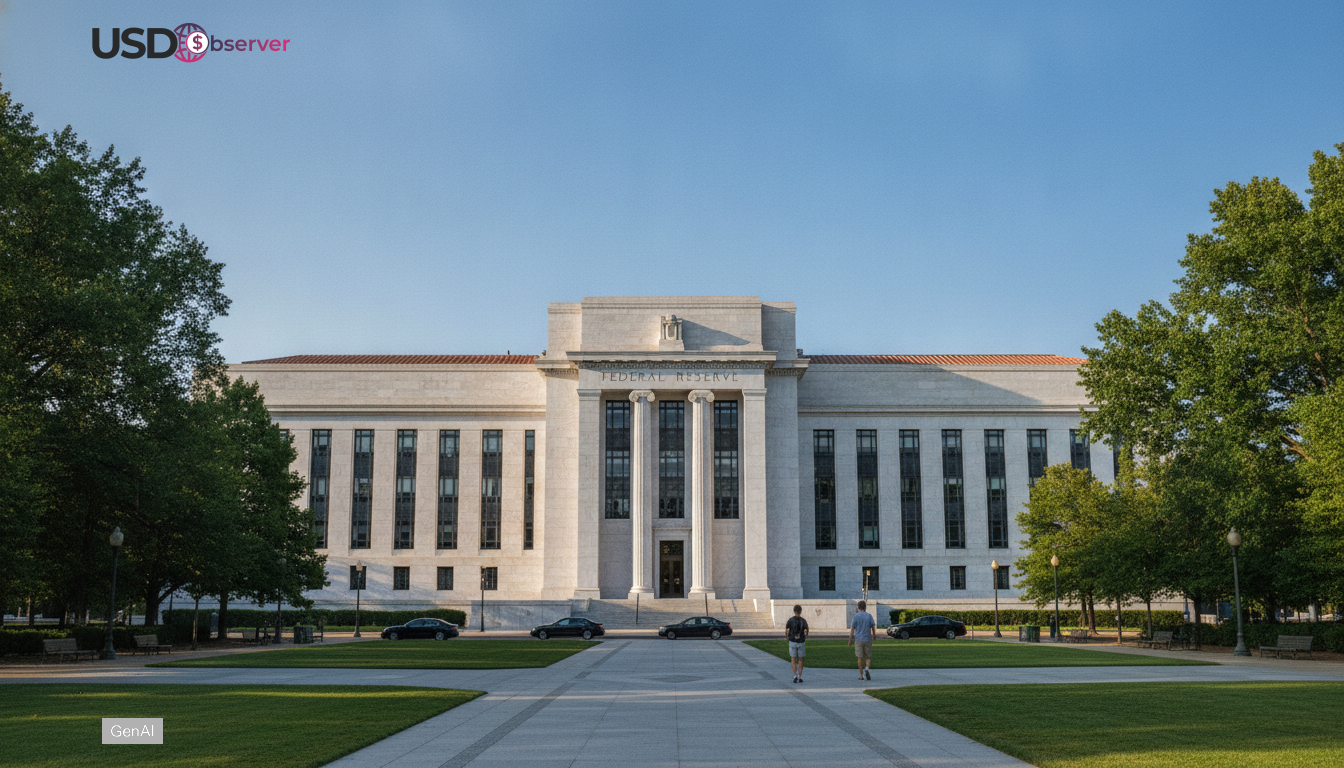
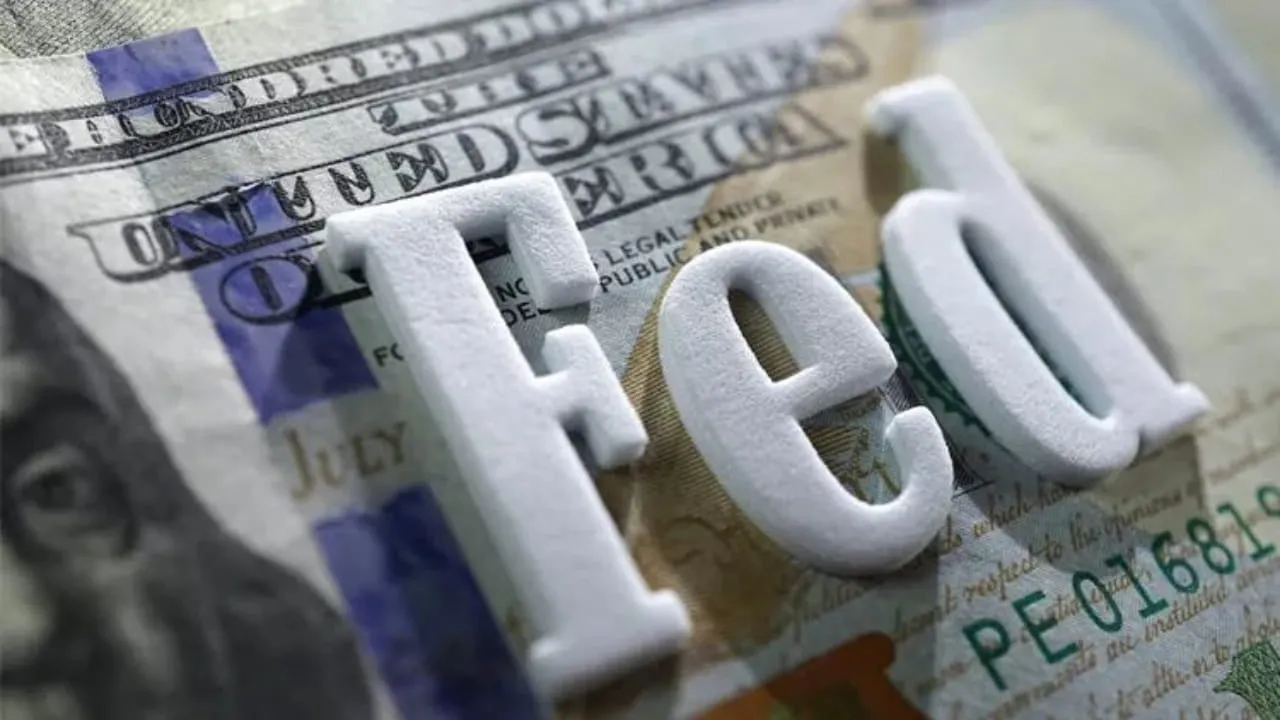
The Federal Reserve’s decision to raise rates in December 2015 — the so-called “liftoff” after seven years at the zero lower bound — marked a turning point for global markets and the U.S. dollar.

Unlike most currencies, the dollar’s reach extends far beyond U.S. borders. Banks, corporates, and governments worldwide depend on dollar-denominated debt and funding channels.

In nearly every major geopolitical crisis of the last two decades, the dollar has rallied as investors sought safety.
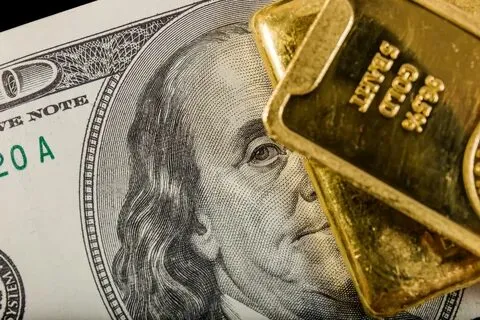
Few assets rival gold and the U.S. dollar in their symbolic and practical roles as safe havens.
Individually, gold and copper offer important but incomplete signals.

As 2024 unfolded, the Federal Reserve faced its most delicate balancing act since the pandemic.
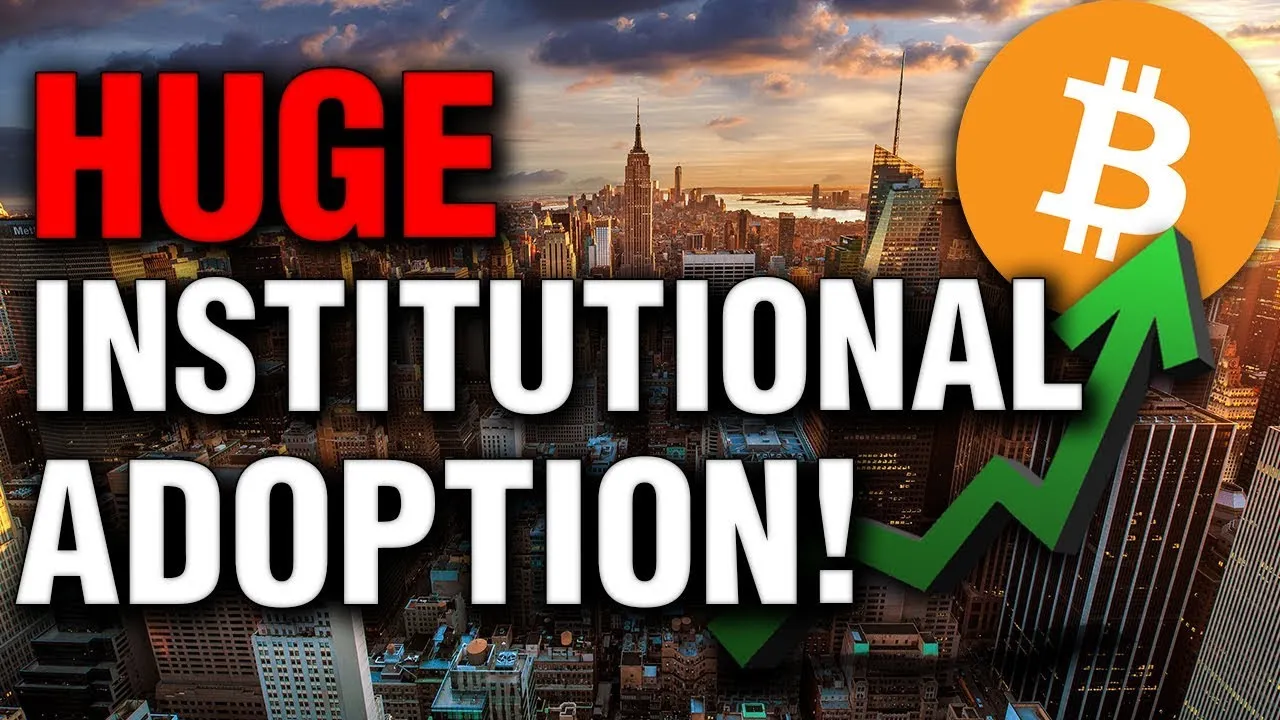
Once dismissed as a fringe asset, Bitcoin has entered institutional portfolios, reshaping its relationship with global macro and the U.S. dollar.
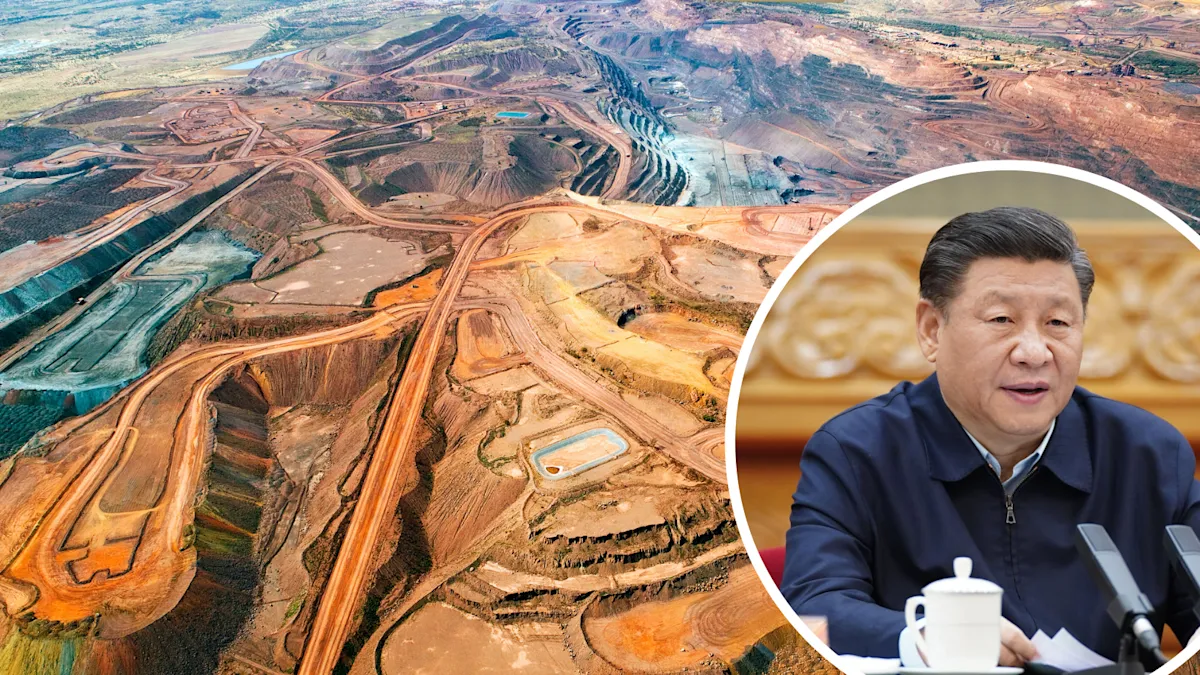
Iron ore, the key ingredient in steelmaking, sits at the center of China’s industrial engine. As the world’s largest consumer, China imports more than 70% of seaborne iron ore, making its demand a critical barometer for global growth.
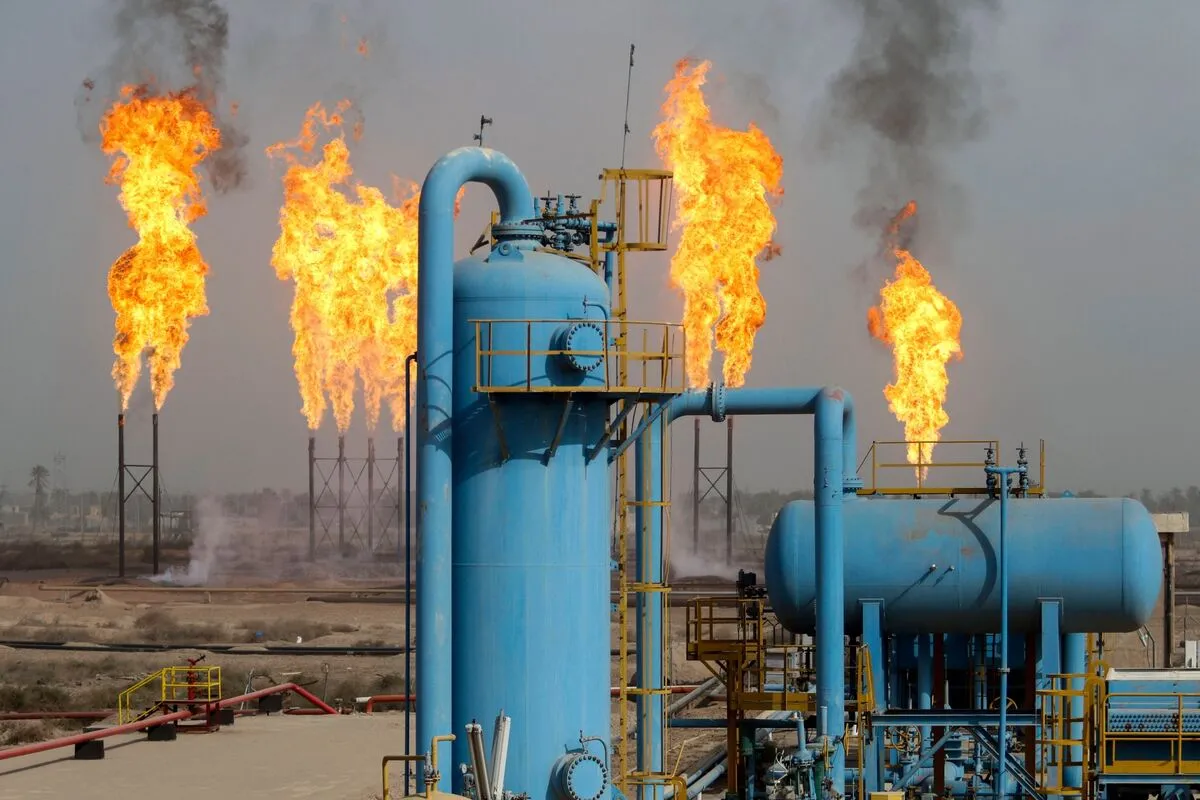
Natural gas markets are notoriously seasonal, with prices surging during cold winters and easing in warmer months