How prolonged energy booms affect dollar strength and inflation expectations.
By Neha Narula | Economist, MIT Digital Currency Initiative
Talk of a new “energy supercycle” — a prolonged period of high prices driven by structural demand and constrained supply — has re-emerged as oil, gas, and coal markets remain volatile. For the U.S. dollar, the implications are profound. Historically, energy booms have sometimes coincided with dollar weakness, yet in other periods, they have reinforced the greenback’s strength. The question today: will a renewed energy supercycle lift or weigh on the world’s reserve currency?
What Defines a Supercycle
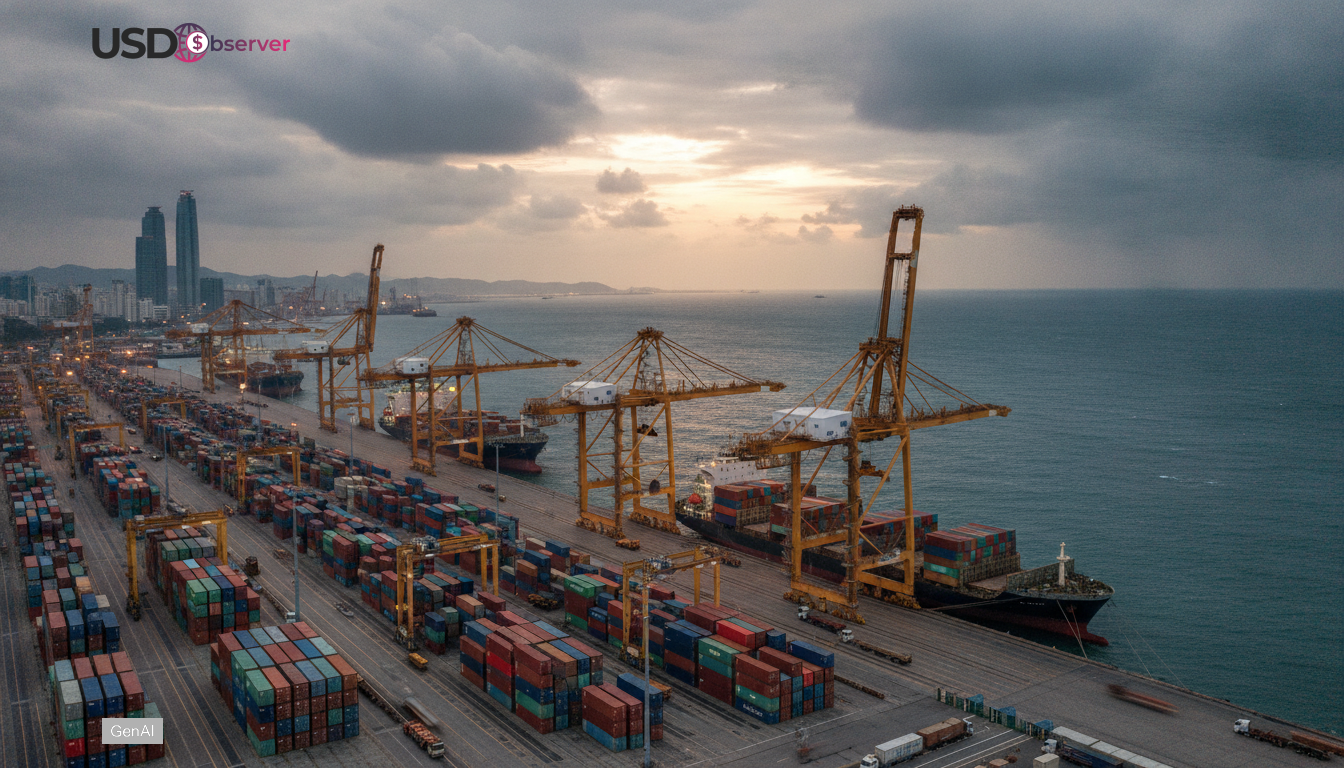
Supercycles differ from short-term rallies. They are long stretches where commodities remain elevated, often due to transformative economic shifts. The early 2000s, fueled by China’s industrialization, is the classic modern example. Oil surged from under $20 a barrel in 1999 to over $140 in 2008, dragging other commodities higher.
If global decarbonization, supply constraints, and geopolitical risks drive energy prices structurally higher in the 2020s, many analysts argue we may be entering a similar era.
The Dollar in Past Cycles
The relationship between supercycles and the dollar is mixed. In the 2000s, rising oil and metals prices coincided with a weaker dollar, as capital flowed into emerging markets and U.S. current account deficits widened.
Yet in 2022, surging energy prices due to the war in Ukraine accompanied one of the strongest dollar rallies in decades. The difference was context: higher U.S. yields and safe-haven demand supported the greenback even as energy-importing economies faced mounting costs.
Supply and Geopolitics
Today’s energy outlook is shaped not only by demand but also by constrained supply. Years of underinvestment in oil and gas, coupled with geopolitical disruptions, have kept supply tight. OPEC+ has maintained disciplined output cuts, while geopolitical flashpoints from Eastern Europe to the Middle East have added risk premiums to prices.
These supply-driven rallies can reinforce dollar strength by amplifying safe-haven flows, particularly if higher prices spark inflation and tighter monetary policy.
The Current Landscape
As of late 2024, oil prices hover near $85–90 per barrel, natural gas around $3 per MMBtu in the U.S. and higher in Europe, and coal prices remain volatile. The dollar, meanwhile, is firm, reflecting elevated U.S. yields and persistent demand for safe assets. Traders are debating whether energy’s strength will eventually undercut the dollar by widening U.S. trade deficits, or whether it will continue to coexist with a strong greenback.
Implications for Traders
For forex participants, the lesson is to avoid assuming a uniform relationship. An energy supercycle could pressure the dollar if deficits balloon and capital flows shift toward commodity exporters. But if higher energy prices coincide with global uncertainty, they may reinforce the dollar’s safe-haven role.
The takeaway: the dollar’s response to an energy supercycle is regime-dependent. Traders should watch not just oil and gas prices, but also U.S. fiscal balances, Fed policy, and risk sentiment to gauge whether energy strength becomes a tailwind or a headwind for the greenback.