China’s industrial demand for iron ore as a leading driver of USD strength or weakness through trade and commodity-linked FX.
By Kenechukwu Anadu | NY Fed Economist
Introduction
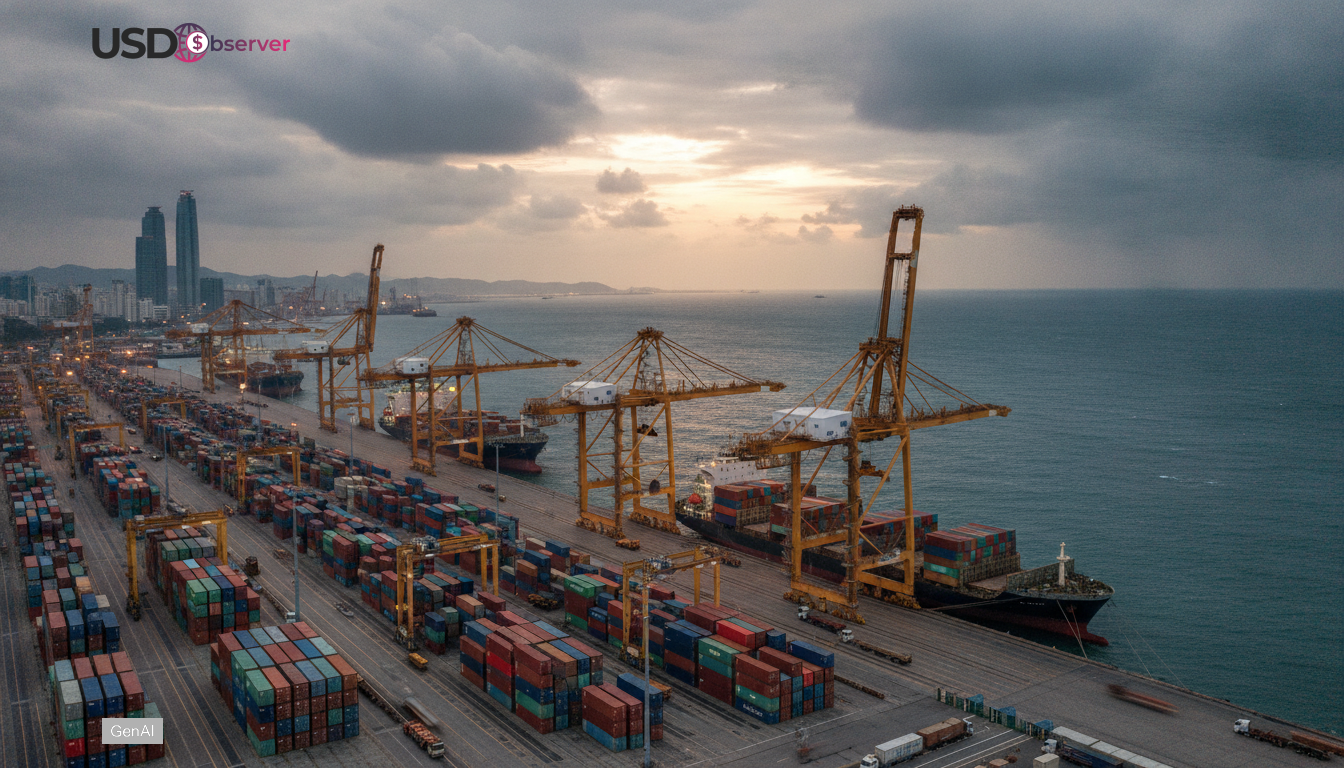
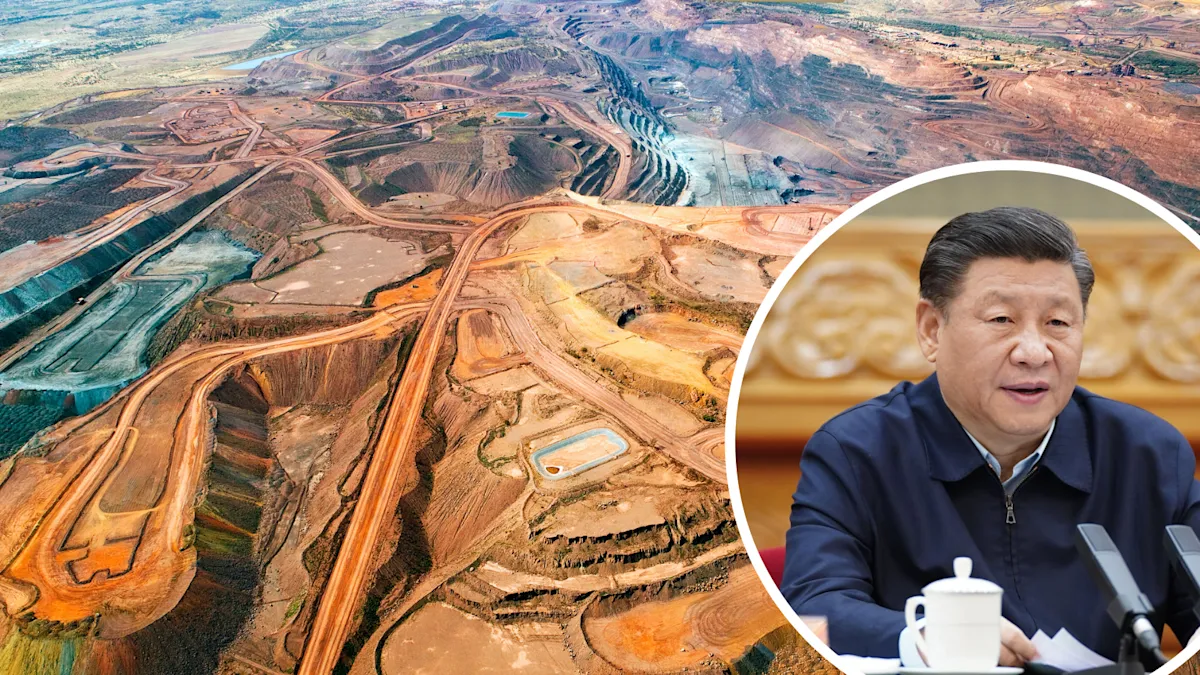
Iron ore, the key ingredient in steelmaking, sits at the center of China’s industrial engine. As the world’s largest consumer, China imports more than 70% of seaborne iron ore, making its demand a critical barometer for global growth. For foreign exchange markets, these flows matter because shifts in China’s industrial cycle often determine the direction of commodity currencies — and, by extension, the U.S. dollar. When Chinese steel mills ramp up, demand for iron ore lifts currencies like AUD and BRL, typically weighing on the dollar. Conversely, when China slows, iron ore prices fall, commodity FX weakens, and the USD strengthens as a global safe haven. This “China beta” in dollar cycles underscores the extent to which the world’s second-largest economy anchors commodity and currency markets alike.
China’s Industrial Pulse
China’s construction and infrastructure spending are the primary drivers of iron ore demand. During the 2020–21 recovery, massive state-led investment pushed iron ore above $200 per tonne, boosting commodity currencies while weakening the USD. By 2022, as property developers faltered and growth slowed, prices fell below $100, reversing the trend. Each turn in China’s industrial cycle thus produces ripple effects that extend far beyond steel markets, feeding directly into FX volatility.
MoM and YoY Macro Data
- Iron Ore Prices: Averaged $115/tonne in 2024, down 12% YoY from 2023.
- China Industrial Output: MoM growth slowed to ~0.2% in late 2024, a drag on commodity-linked FX.
- USD Impact: DXY gained 8% YoY in 2022, coinciding with iron ore’s 40% price collapse.
These MoM and YoY dynamics highlight the sensitivity of USD moves to shifts in Chinese demand cycles.
External Drivers Beyond China
- Climate: Floods in Australia — the top iron ore exporter — often disrupt supply, causing price spikes that influence USD flows.
- Crime & Corruption: Governance risks in Brazil’s mining sector add volatility, amplifying swings in iron ore-linked currencies.
- Geopolitics: U.S.–China tensions weigh on steel-intensive sectors, affecting both demand forecasts and dollar positioning.
Lessons for Traders
Iron ore is more than a commodity — it is a leading indicator of how the dollar trades against commodity FX. Traders should watch MoM changes in Chinese industrial production and YoY property sector growth as signals for iron ore demand. When Chinese demand accelerates, expect AUD and BRL to strengthen, often softening the USD. When demand falters, the opposite holds true.
Takeaway
The dollar’s sensitivity to iron ore demand underscores the interconnectedness of commodities, China’s industrial cycle, and global FX flows. For traders, iron ore prices offer more than an industrial benchmark — they provide an early-warning system for USD positioning in a China-driven world.