How seasonal demand cycles, storage levels, and weather shocks in natural gas markets spill over into dollar liquidity and FX volatility.
By Iñaki Aldasoro | BIS Economist
Introduction
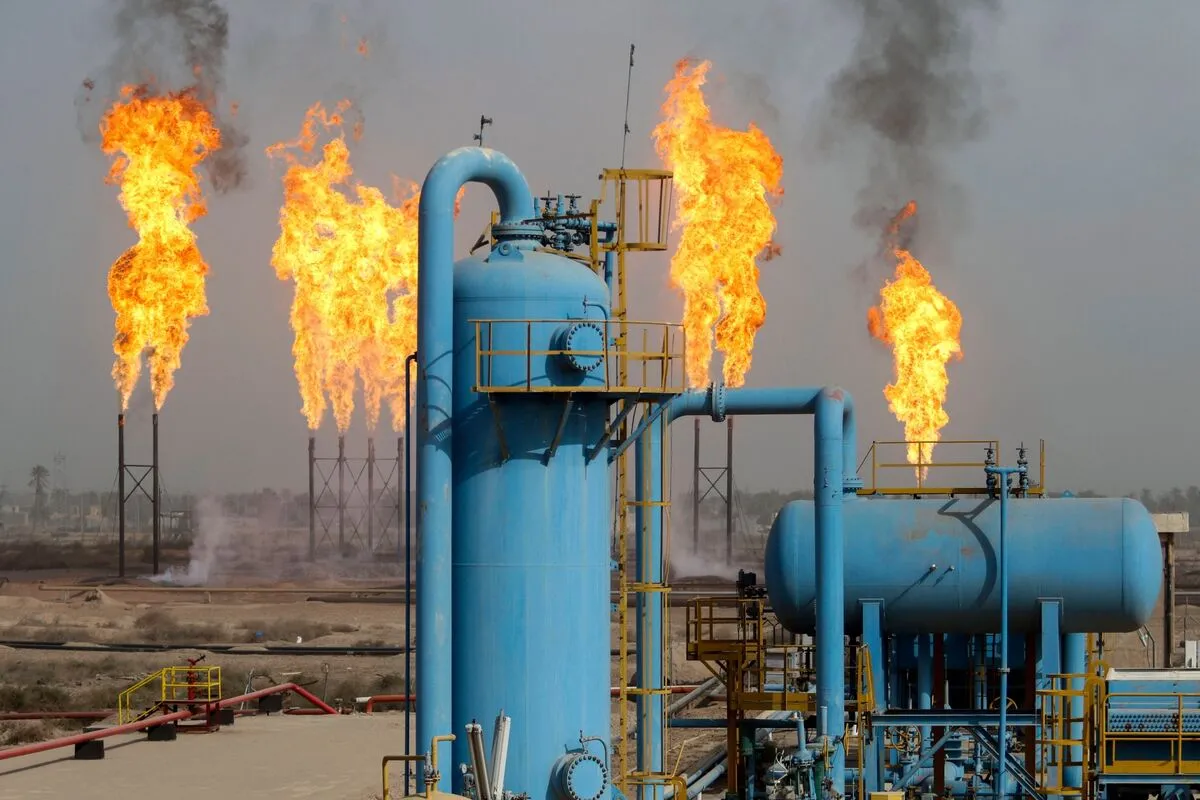
Natural gas markets are notoriously seasonal, with prices surging during cold winters and easing in warmer months. For global FX markets, these cycles matter because gas prices directly influence energy trade balances, inflation prints, and safe-haven flows into the U.S. dollar. Europe’s reliance on LNG imports after Russia’s 2022 invasion of Ukraine made the dollar’s role in natural gas financing more prominent than ever. Seasonal shifts in gas demand not only affect commodity currencies like NOK and CAD but also determine the scale of dollar flows into energy settlement and hedging. For traders, natural gas seasonality is not a niche story: it is a recurring driver of dollar volatility with broad macro implications.
The Seasonality Effect
Natural gas demand typically spikes in winter as households and industries heat homes, then falls in summer. This seasonal swing drives MoM price fluctuations of 20–30% in extreme years. In 2022, U.S. Henry Hub prices soared above $9/MMBtu during peak summer demand, their highest in over a decade, before easing sharply as storage built ahead of winter. These price cycles directly impact inflation expectations and, by extension, dollar positioning, as traders recalibrate Fed policy bets in response to energy shocks.
MoM and YoY Macro Context
- Natural Gas Prices: Henry Hub fell -35% YoY in 2023 after surging in 2022, stabilizing near $3/MMBtu in 2024.
- Inflation: U.S. CPI energy component dropped -5% YoY in 2023, easing headline inflation to ~3%.
- Dollar Impact: MoM price spikes during 2022 coincided with DXY gains, as safe-haven demand rose alongside fears of European shortages.
These MoM and YoY data points underscore the cyclical but powerful link between gas prices and dollar liquidity.
External Amplifiers of Seasonality
- Climate: Extreme weather — from polar vortexes in North America to European heatwaves — magnifies seasonal demand swings, adding volatility to both gas and USD markets.
- Crime & Supply Risks: Pipeline sabotage, theft, and LNG cargo disruptions create supply uncertainty, often triggering flight-to-safety dollar flows.
- Geopolitics: Sanctions on Russian energy exports in 2022 forced Europe to pay in dollars for LNG cargoes, reinforcing the greenback’s centrality in energy markets.
Lessons for Traders
Natural gas seasonality creates predictable patterns but with unpredictable amplifiers. Traders should track MoM storage builds, YoY demand shifts, and climate forecasts to anticipate USD reactions. When prices rise sharply into winter, the dollar tends to strengthen as inflation fears and safe-haven demand converge. Conversely, sharp summer declines often ease dollar pressure, especially against energy exporters.
Takeaway
Natural gas markets may be regional, but their seasonality has global FX consequences. For the dollar, every winter heating spike or summer demand lull is a test of its dual role as both an inflation-sensitive asset and a global safe haven. For traders, watching gas seasonality is not about commodities alone — it is about anticipating the dollar’s next move in an energy-dependent world.