UN petition challenges Australia fossil fuel exports
Campaigners have reportedly filed a complaint to the United Nations arguing Canberra is failing to curb harms linked to energy exports. The submission suggests that Australia’s fossil fuel exports should be viewed as a human rights issue, not just a trade question. UN mechanisms have been called upon to examine approvals and export facilitation for coal and liquefied natural gas. According to available reports, the complainants believe downstream climate and health impacts can result from state decisions, urging Australia to align export policy with international human rights obligations and climate commitments. The filing seeks clearer accountability pathways for affected communities across borders and more transparent disclosure of export-linked emissions.
Human rights claims and emissions linked to exports
Within the complaint, it is suggested that rights to life, health, and culture are affected when high-emission fuels are exported at scale and then used overseas. The belief is that Australia’s role as a significant supplier might contribute to climate-driven harms impacting communities with limited adaptation capacity, including Pacific Island nations, as indicated by their submission. The complaint emphasizes the need for due diligence where impacts can be foreseen, even if they occur outside national borders. For a separate policy example of how global systems transmit risk, see USDT dominance: Stablecoin Lead, Liquidity, and Risk. The filing asks the UN to handle export approvals as decisions with rights consequences and to press for clearer assessment standards.
Australia coal exports and gas exports under scrutiny
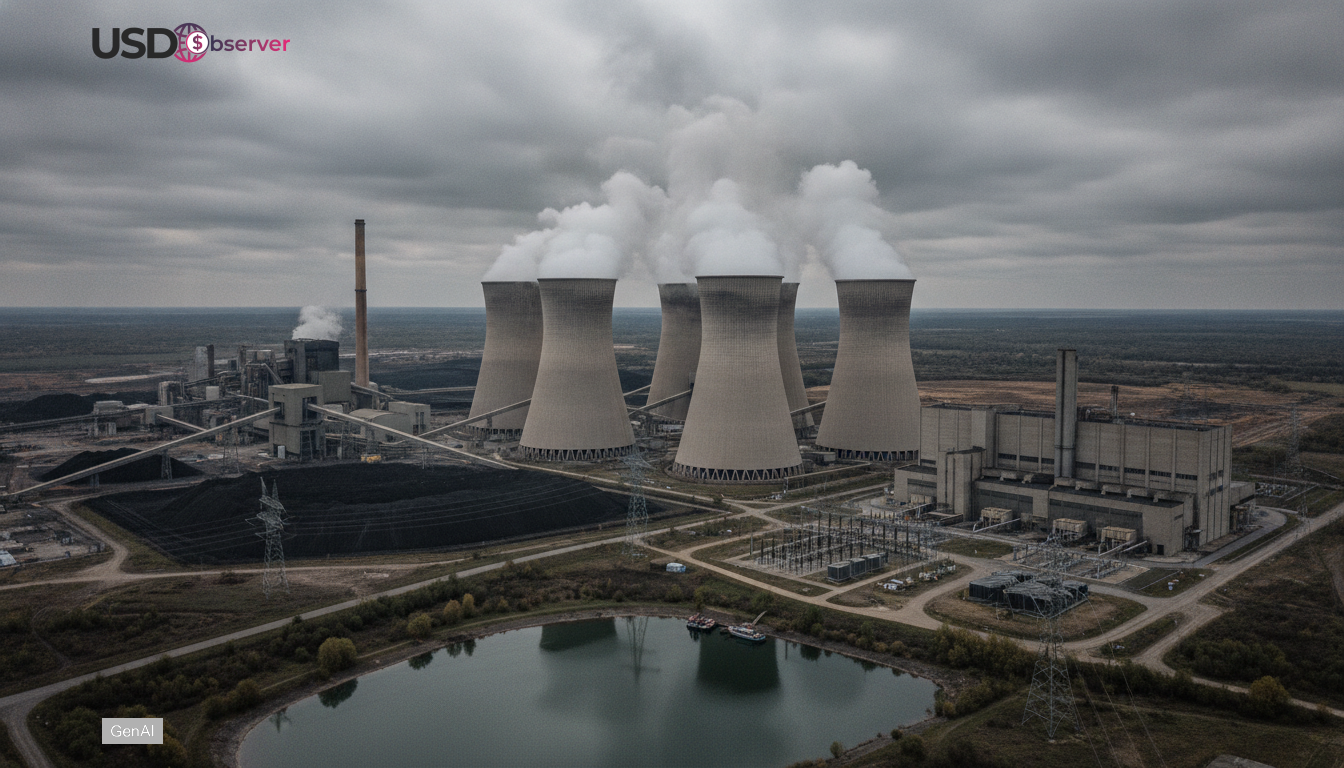
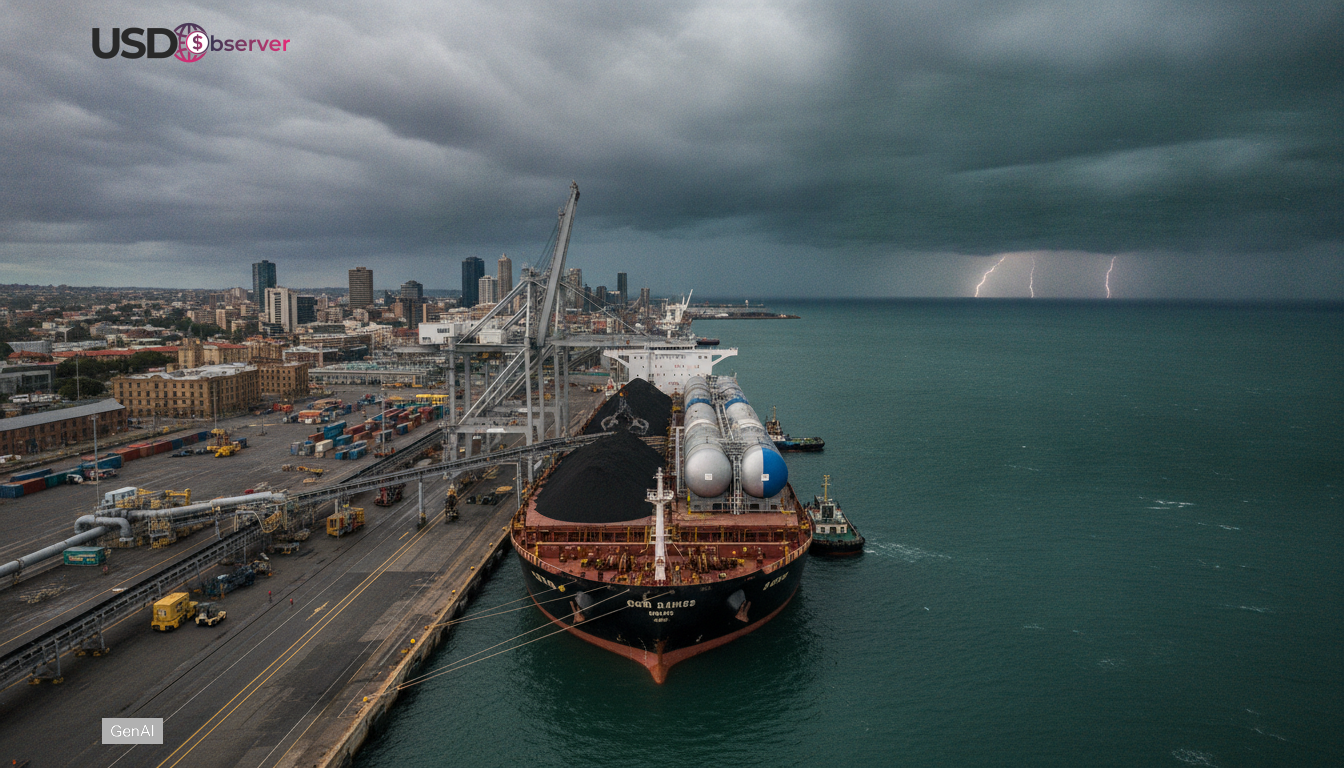
Australia is often described as among the world’s largest exporters of coal and liquefied natural gas. The petition challenges how this role is supported through approvals, infrastructure support, and diplomatic promotion. The group suggests decision-makers should consider cumulative emissions rather than assessing projects in isolation. There is also a questioning of claims that gas serves as a climate bridge fuel, according to the complaint. A related policy backdrop is discussed by the BBC in The economic challenges facing the next prime minister, and for comparison on market stress and how fuel prices can reshape power decisions, see Germany coal power debated as gas prices surge.
Global impacts and the UN review process
The complaint suggests that emissions linked to exported fuels are not merely an accounting issue, as impacts may manifest as floods, heat extremes, and ecosystem loss. When a major supplier expands capacity, it may influence global fuel availability and hinder the transition to lower carbon energy, with costs borne by vulnerable communities, according to the petitioners. It argues that export revenue does not remove obligations to prevent foreseeable harm, particularly where impacts intersect with food security, housing, and health systems, including in Australia and nearby Pacific Island nations cited in the submission. The UN is asked to consider these cross-border effects within a forum where state responsibility can be evaluated in rights terms. There are also requests for disclosure on export-linked emissions estimates and risk assessments.
Potential changes for Australia export approvals
The case emerges as investors, regulators, and courts increasingly test whether climate risks are being properly priced and disclosed and whether approvals align with stated targets. The complainants suggest that a credible path forward requires measurable limits on new supply and stronger assessment of lifecycle emissions from coal and LNG shipments. They also believe affected communities should have clearer avenues to seek remedies when state decisions enable harm abroad. For government and industry, legal and diplomatic pressure might tighten financing conditions and complicate long-term contracting, even if near-term demand persists, as indicated by the petitioners. The UN process is not a direct ban mechanism, but any findings could influence policy and corporate due diligence expectations around Australian energy exports.