Crimea fuel sales curbs: what is happening
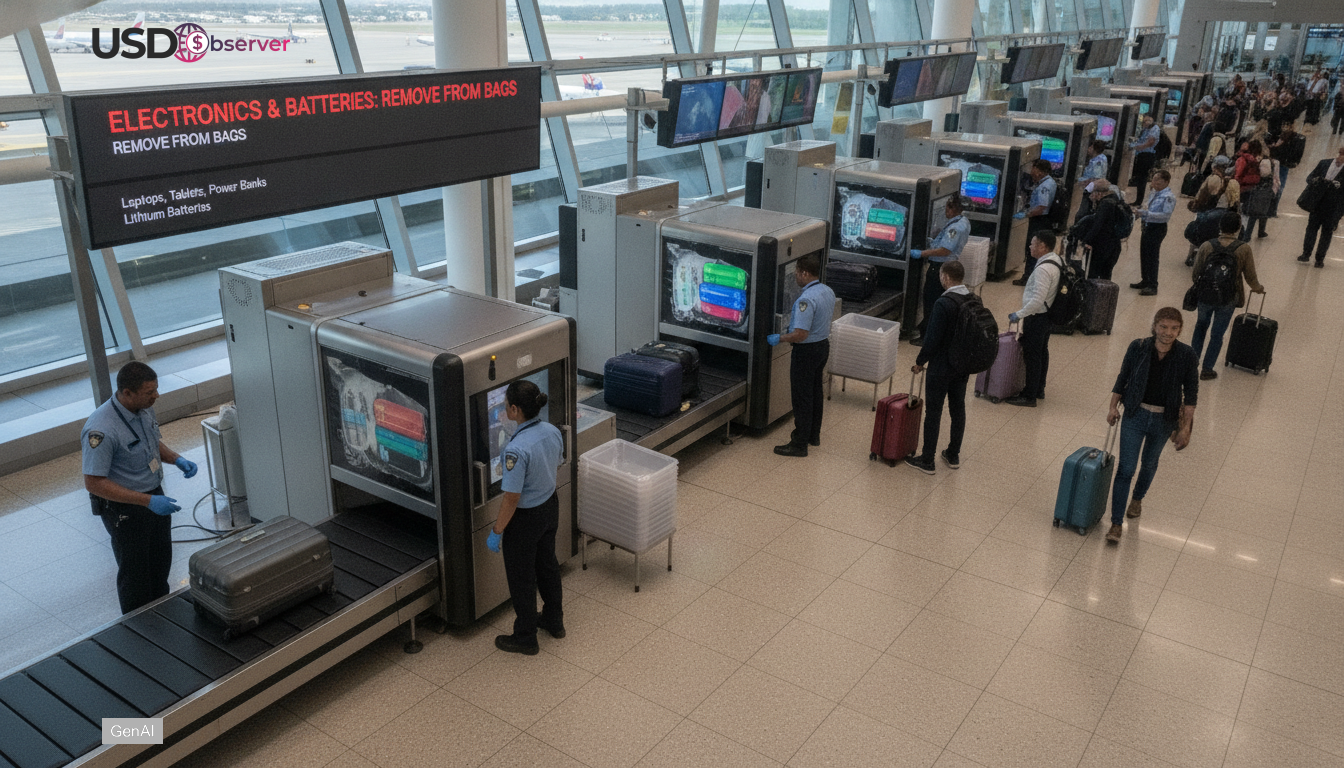
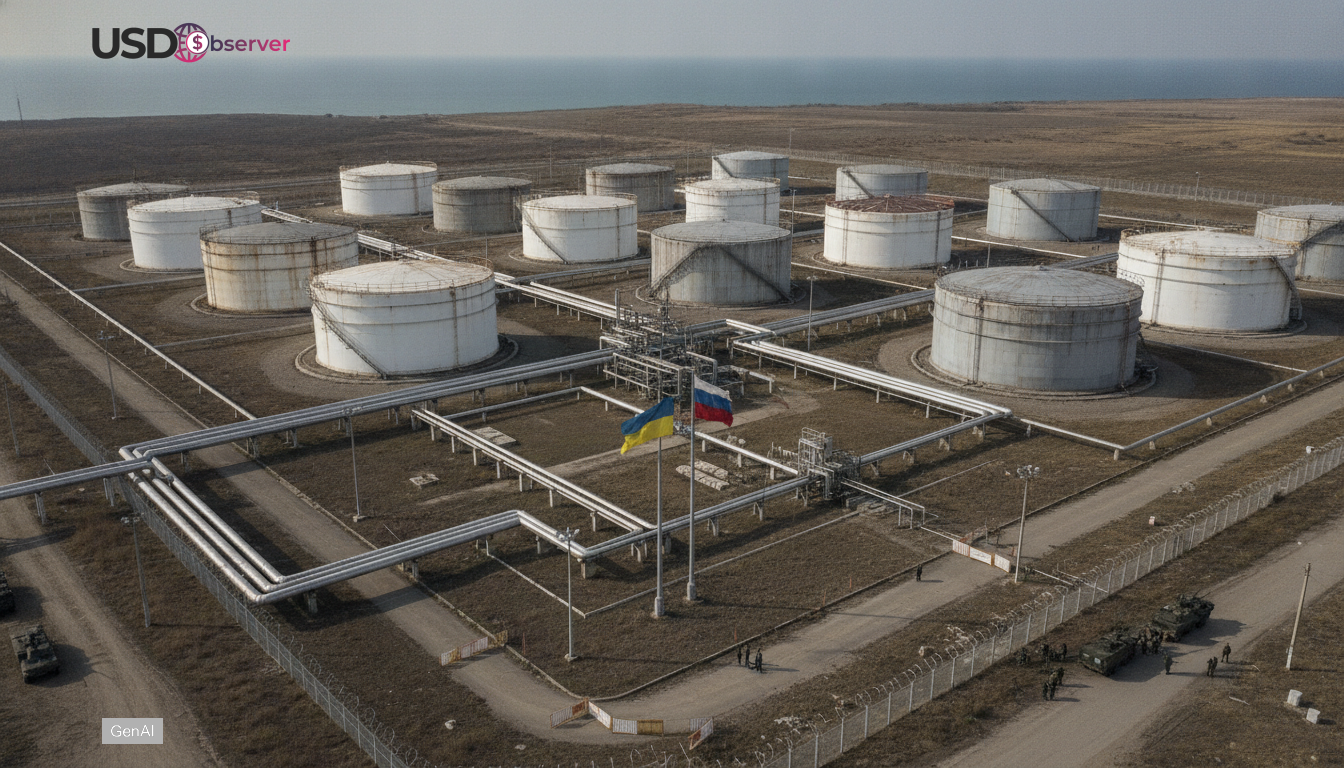
Crimea fuel sales have been curtailed in parts of the peninsula as authorities and suppliers tighten distribution amid rising security risks. In several towns, petrol stations have introduced purchase limits and temporary closures to conserve stocks for priority transport and essential services. Traders monitoring the supply chain say the curbs reflect both logistical constraints and risk management decisions, as insurers and shippers reassess routes. According to available reports, there has been a halt in some retail sales in occupied Crimea following attacks on oil infrastructure and transport links. For residents and local businesses, the immediate effects include longer queues, higher off street premiums, and reduced mobility for routine deliveries and services.
How strikes are disrupting supply lines
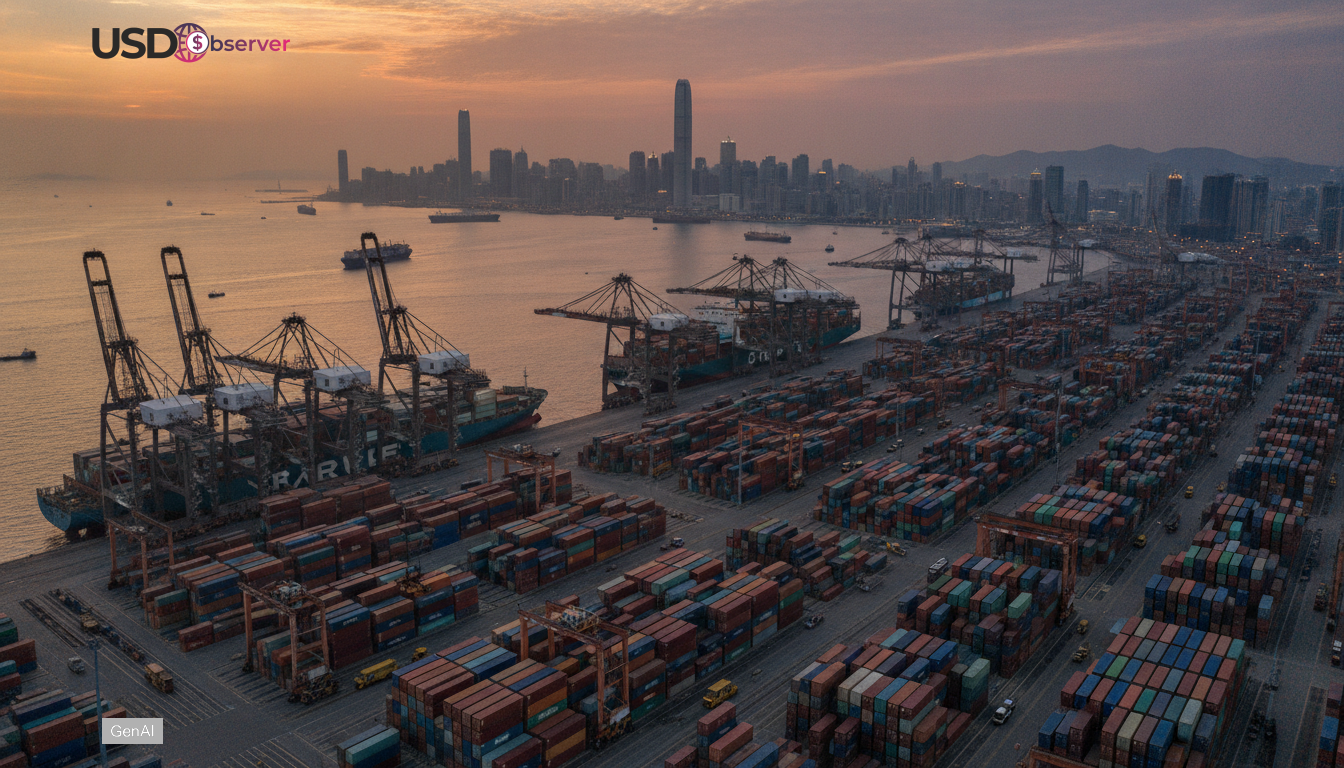
The main pressure point is the flow of refined products into the peninsula, which depends on a limited number of corridors and storage nodes that can be interrupted quickly. As indicated by reports, Kyiv strikes have targeted oil facilities and associated logistics serving occupied areas, with Russian and Ukrainian officials offering conflicting assessments of damage. Even short disruptions at a depot or key junction can cause knock on shortages at retail sites within days when inventories are thin. Security related rerouting also raises delivery costs and slows replenishment, a pattern market participants compare to other trade channel frictions, including settlement and liquidity stresses covered in USDT dominance: Stablecoin Lead, Liquidity, and Risk. In Crimea, these effects can show up rapidly at roadside stations and municipal depots that serve commuter and delivery traffic.
Official response and rationing measures
Russian installed officials in Crimea have framed restrictions as a stabilisation step designed to protect emergency services and critical freight. State aligned fuel operators have tried to limit panic buying, while providing few verifiable public figures on reserves or daily throughput. Reuters has described local administrative actions to curb retail sales and prioritise distribution as strikes affect supply routes, and similar policy trade offs have been observed in other markets where consumer fuel interventions spill into pricing and broader financial conditions, a theme explored in Fuel duty reduction plan ripples through treasury markets. Operationally, these measures aim to stretch inventories and keep essential transport running, including ambulances and utility fleets.
Economic impact across Crimea
The economic impact is most acute in transport dependent sectors, including local haulage, agriculture logistics, and small tourism operators that rely on predictable road fuel access. When official sales slow, price signals can become distorted and incentives for informal resale rise, leading to uneven availability across districts such as Simferopol and Sevastopol. Analysts tracking energy costs note that disruption at the refinery and depot level can transmit quickly into food and services inflation when delivery schedules slip. According to reports, the curbs are linked to supply constraints following attacks on infrastructure, even as reliable peninsula wide inflation figures remain limited. Businesses exposed to USD linked import inputs can face extra volatility through forex channels as costs adjust.
What comes next for Crimea fuel sales
The episode underscores how energy logistics have become a key lever in the conflict, with refineries, depots, and transit lines treated as strategic targets. If strikes continue to affect facilities and routing options, operators may shift flows toward smaller, less exposed storage sites, but that typically reduces efficiency and raises per unit costs. Reports have described Crimea fuel sales limits as part of broader pressure on Russian energy infrastructure linked to Kyiv attacks. Even when immediate shortages ease, a higher security premium can persist across shipping, trucking, storage, and retail operations. Over time, that premium can reshape local business planning, raise transport costs, and keep supply conditions more fragile than before.