Tesla crash investigation: what happened in the fatal crash
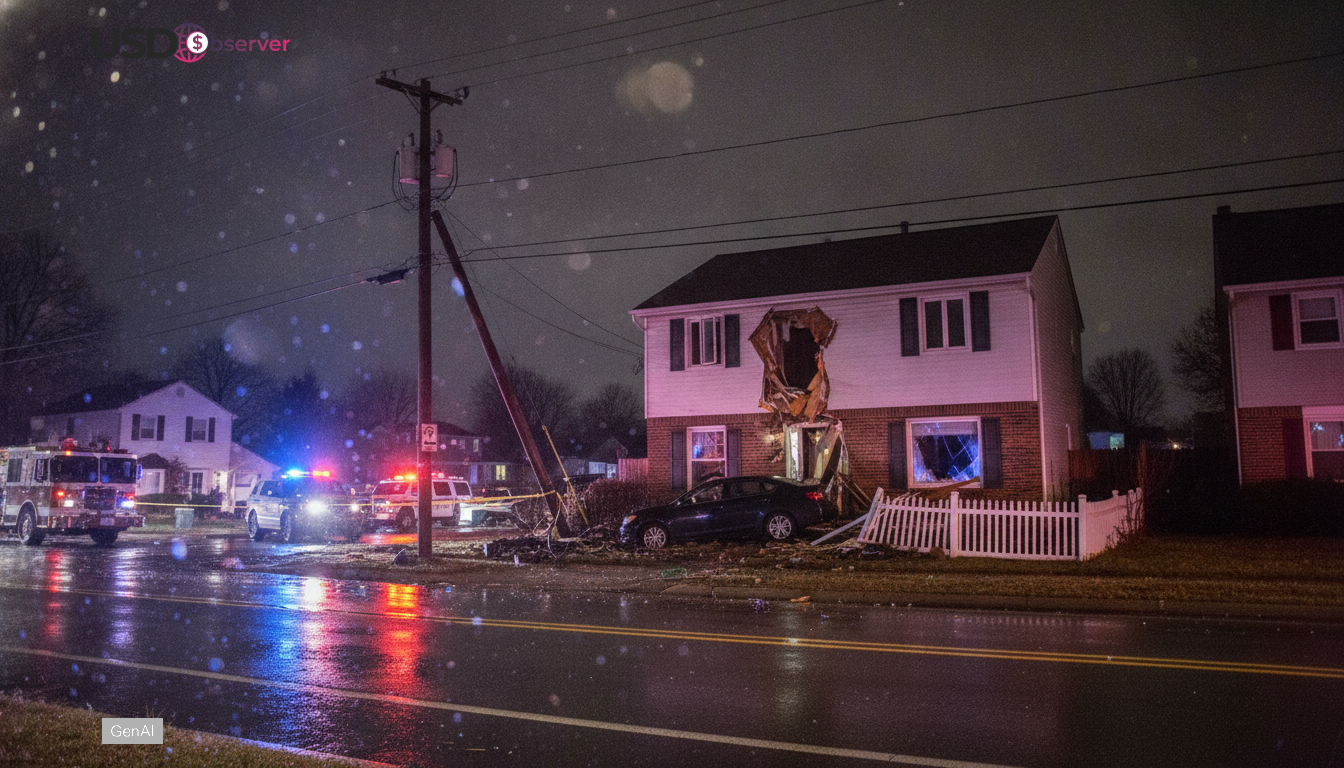
Local authorities are said to have confirmed a woman died after a collision involving a Tesla, and the Tesla crash investigation is drawing wider scrutiny. Investigators are reportedly working to reconstruct vehicle speed, lane position, and driver inputs using physical evidence and electronic data. As of publication, authorities have not publicly released the victim’s identity, the exact crash location, or the date of the collision, based on what has been made available publicly. Until a named investigating agency provides those details, any additional casualty information should be treated as unconfirmed. A key early question is whether any driver-assistance feature was active and, if so, what alerts or warnings were presented to the driver in the moments before impact, according to how such cases are typically assessed.
Federal review and data requests
Federal authorities are said to have opened a review to examine whether driver assistance performance, system design, or human factors contributed to the outcome. For context, the National Highway Traffic Safety Administration (NHTSA) has previously stated it can seek data from automakers and evaluate potential safety defects, and that general framework is often cited in coverage of similar incidents. In the Tesla crash investigation, investigators typically rely on vehicle logs, telemetry, and crash reconstruction rather than driver statements alone, according to standard crash-investigation practice described by safety agencies. For context on how compliance signals can shift sentiment across sectors, USDT dominance: Stablecoin Lead, Liquidity, and Risk highlights how regulation and disclosure can move narratives. Any enforcement or recall action would depend on evidence tied to specific, repeatable conditions, as NHTSA has outlined in prior defect investigations.
Tesla and industry implications from the investigation
This investigation involving Tesla places safety claims under sharper review at a time when many automakers are expanding advanced driver assistance. Manufacturers generally emphasize that these systems require attentive supervision, yet regulators and plaintiffs’ attorneys often scrutinize whether naming and interface design could encourage overreliance, according to prior public discussions around driver-assistance systems. In practice, investigators may look for patterns across similar incidents before concluding whether a broader defect trend exists, depending on the evidence available to them. In the Tesla crash investigation, investors often price regulatory risk alongside macro signals, and Fuel duty reduction plan ripples through treasury markets shows how policy changes can spill into pricing beyond the immediate sector. Any confirmed findings could influence driver monitoring expectations, disclosure language, and owner documentation, depending on what investigators ultimately report.
What this means for self-driving and driver assistance oversight
Pressure is increasing on developers to demonstrate measurable safety outcomes rather than marketing milestones, as regulators have signaled in past guidance and public statements. Federal guidance has historically favored data-driven evaluations, including crash reporting, incident trend analysis, and access to post-crash data where available, according to previously published federal safety frameworks. The Tesla crash investigation may be watched as a signal for how aggressively authorities will demand transparency around edge cases, driver monitoring, and data retention, depending on what the record shows in this case. Engineers across the industry generally argue that clearer driver feedback and stronger monitoring can reduce risk when systems are supervised, though such improvements still require validation through audited methodologies and real-world performance tracking. In the near term, regulators are likely to focus on supervised systems where human attention remains the decisive safeguard, based on how current driver-assistance rules and guidance are commonly framed.
Public reaction, reporting, and what to watch next
Public reaction has been polarized, according to commentary in ongoing coverage, with some drivers citing convenience and others arguing that prominent branding can create unrealistic expectations. Analysts typically separate reputational damage from regulatory outcomes, but both can affect demand and financing costs if uncertainty lingers, as market observers often note after high-profile safety news. The company might encounter increased scrutiny to publish clearer performance statistics and to explain how driver monitoring responds to inattention, depending on the findings cited by regulators. Media coverage can amplify small details, so verified statements from named agencies such as NHTSA should carry the most weight as the case develops. In the Tesla crash investigation, any market repricing may hinge on whether investigators identify a systemic defect, a misuse pattern, or a scenario where safeguards failed, as is typical in defect-review outcomes. Until official findings are released, the most responsible interpretation centers on evidence, not assumptions.