Germany coal power returns to the policy agenda
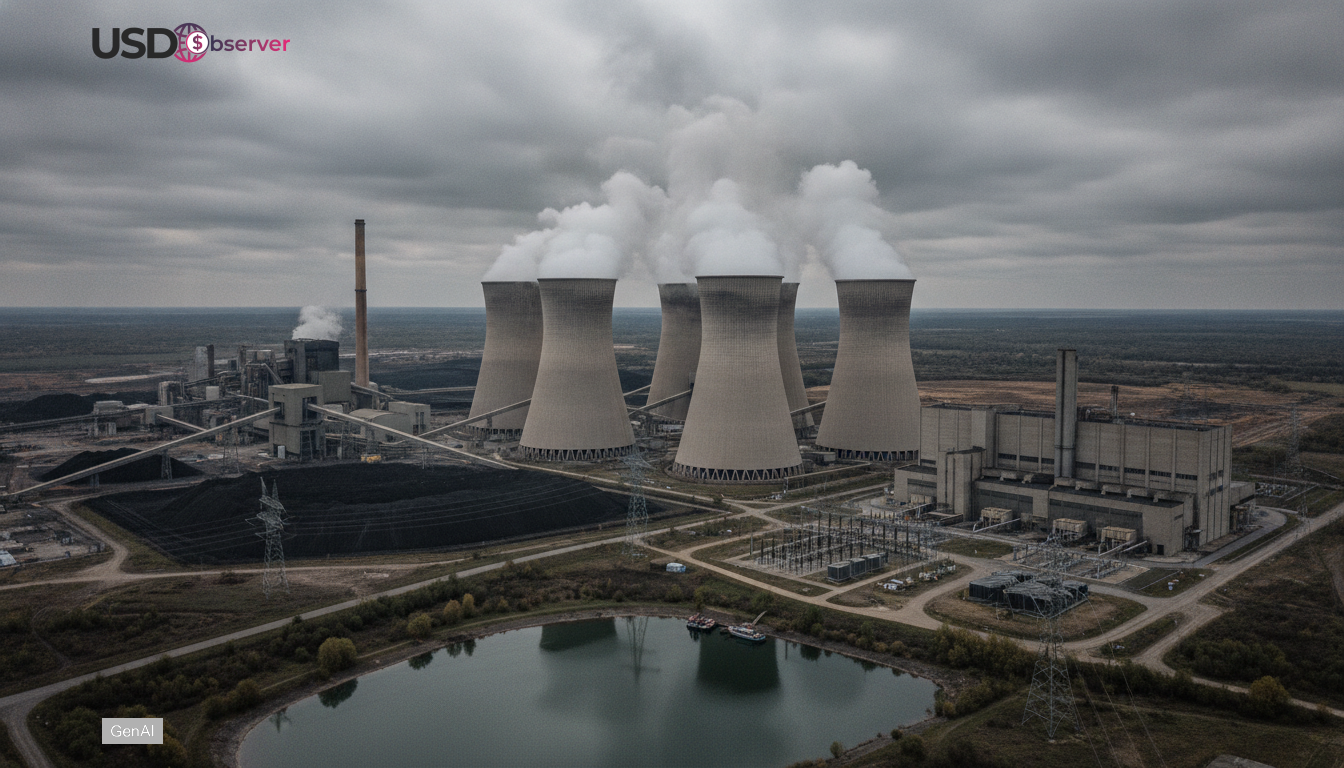
Officials and industry representatives have been weighing whether some coal plants should stay available for security of supply while Germany still pursues legally binding climate goals. Reports suggest Germany coal power has returned to Berlin’s energy debate as utilities confront high gas costs and tight capacity margins, as indicated by available reports following Russia’s 2022 invasion of Ukraine. This discussion has intensified since Russia’s 2022 invasion of Ukraine reshaped fuel flows and raised price volatility across Europe, according to market observers. In 2023 and 2024, German power prices at times reflected gas-driven stress during low-wind periods, reinforcing concerns about firm capacity. The Federal Ministry for Economic Affairs and Climate Action states that system reliability and affordability must be protected during market shocks. Operators have been reviewing dispatch plans, reserve rules, and maintenance schedules to reduce risks during peak demand.
Gas price volatility and coal dispatch economics
Volatile natural gas prices continue to reshape marginal generation economics, particularly when storage levels, pipeline constraints, or weather swings tighten supply, according to market analysts. When gas sets the power price, utilities may look to coal-fired generation where rules allow, especially during short periods of tight supply, analysts say. Analysts also track how energy-driven inflation feeds into broader markets and liquidity conditions, and USDT dominance: Stablecoin Lead, Liquidity, and Risk is a reference point for readers watching these spillovers. Within Germany, the trade-off is that coal can offer predictable output, but it raises emissions and can increase exposure to carbon costs. In parallel, labor and productivity disruptions during extreme weather can compound costs, as highlighted by the BBC in Can you keep your kids off school or refuse to work during a heatwave?.
Renewables build-out constraints and backup needs
Germany is expanding wind, solar, and grids, but permitting, supply chains, and connection queues can slow delivery, according to industry groups and public commentary. Even when renewable output rises, system operators still need dispatchable backup when wind drops or solar fades, especially in winter evenings, grid and market participants say. The broader macro backdrop matters because energy costs can damp investment and hiring, and Job vacancies decline as global economy pressures grow links cost pressure to business caution. That reality is why some Germany coal power plants are reportedly being assessed for temporary availability, with discussions focusing on fuel logistics, staffing, and the technical condition of units that have been earmarked for reduced operation. Markets also watch policy credibility and fiscal capacity, and UK borrowing warnings intensify for public finance outlook provides context on how tightening finances can constrain policy options.
Environmental and regional reactions to coal extensions
Environmental groups and several European political blocs have criticized moves they view as extending coal use, arguing it risks locking in emissions and weakening long-term targets. The International Energy Agency stated in its analysis that cutting coal use is central to meeting climate pathways and has warned that delays can undermine credibility if timelines slip. Critics also point to air quality impacts and health costs in coal regions, urging faster investment in efficiency, demand response, and clean flexibility rather than prolonged coal burn, according to campaign groups. Supporters of temporary coal availability argue that short, clearly defined measures can help avoid emergency measures and stabilize prices during gas shocks, according to industry and some political voices. Because Germany is tightly interconnected with neighbors through cross-border power flows, its dispatch decisions can influence prices and emissions beyond national borders.
What comes next for Germany coal power policy
The near-term direction is likely to rely on clear criteria for any coal use, including strict time limits, transparent reserve activation rules, and stronger incentives for low-carbon flexibility, according to policy proposals and analyst commentary. A practical framework would define which units can be called, under what grid-stress conditions, and how quickly they must exit once supply normalizes, according to governance discussions. Germany coal power is expected by many observers to remain a contested instrument rather than a permanent pillar, with policymakers balancing affordability against climate pathways. Industry groups continue to press for faster permitting for grids, storage, and dispatchable low-carbon capacity, including hydrogen-ready gas plants, while consumer advocates focus on bill impacts. The durability of the strategy will depend on whether renewable expansion and efficiency gains arrive fast enough to reduce exposure to gas price spikes, analysts say. If deployment milestones slip, coalition pressure to keep backup options available could intensify.