Current Situation and Recent Developments
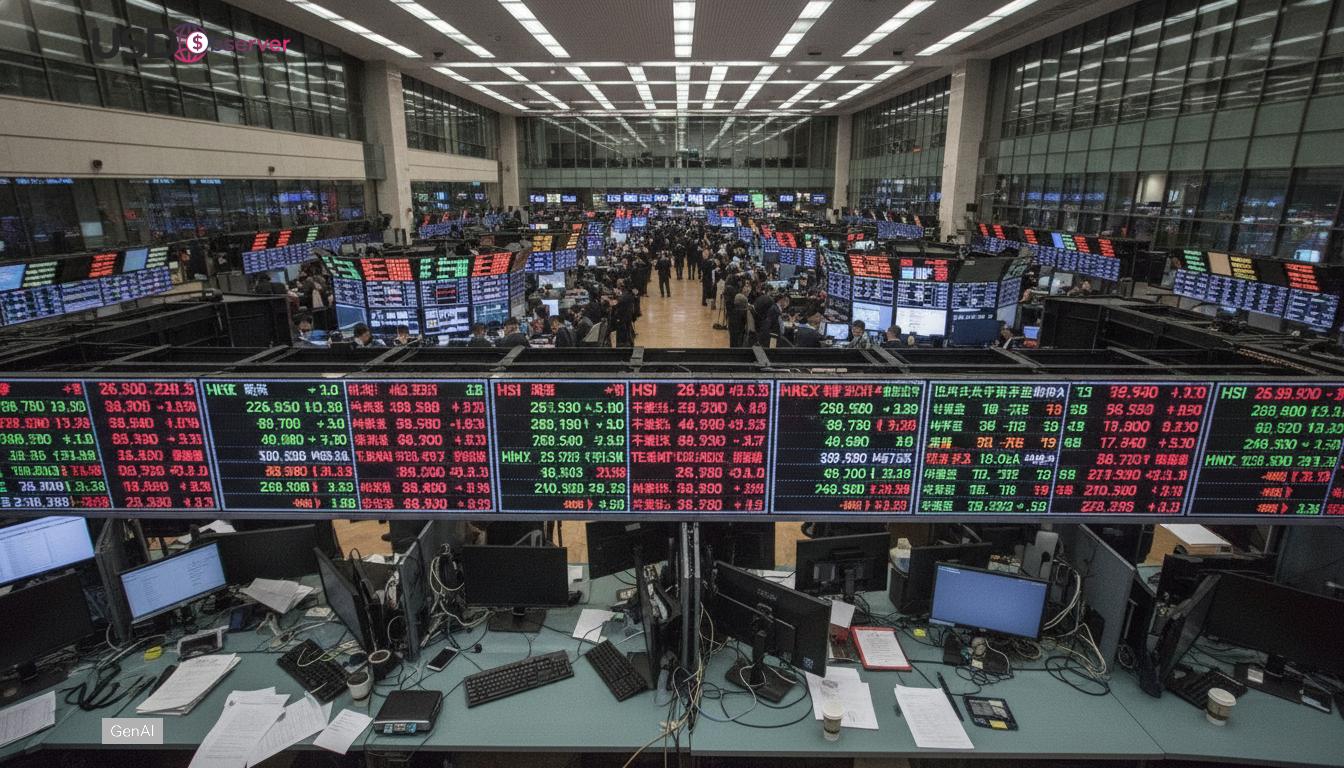
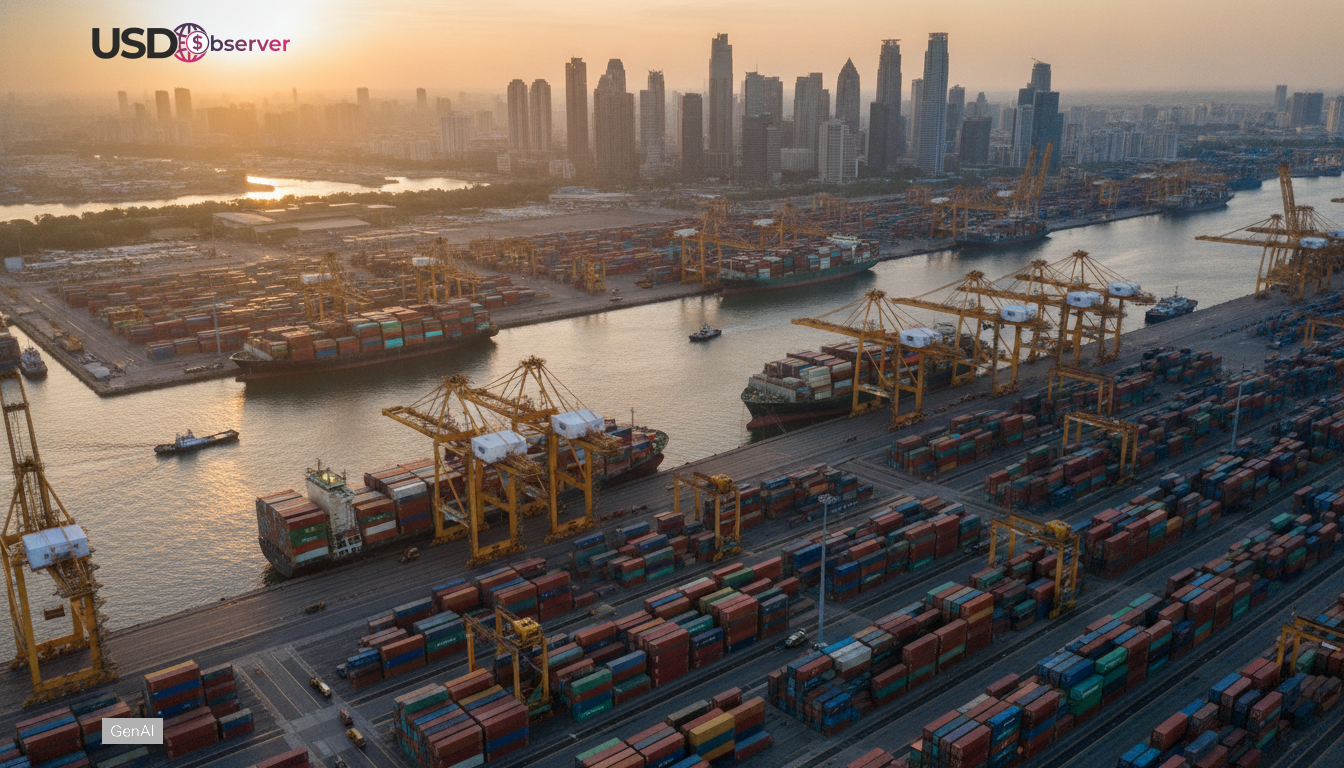
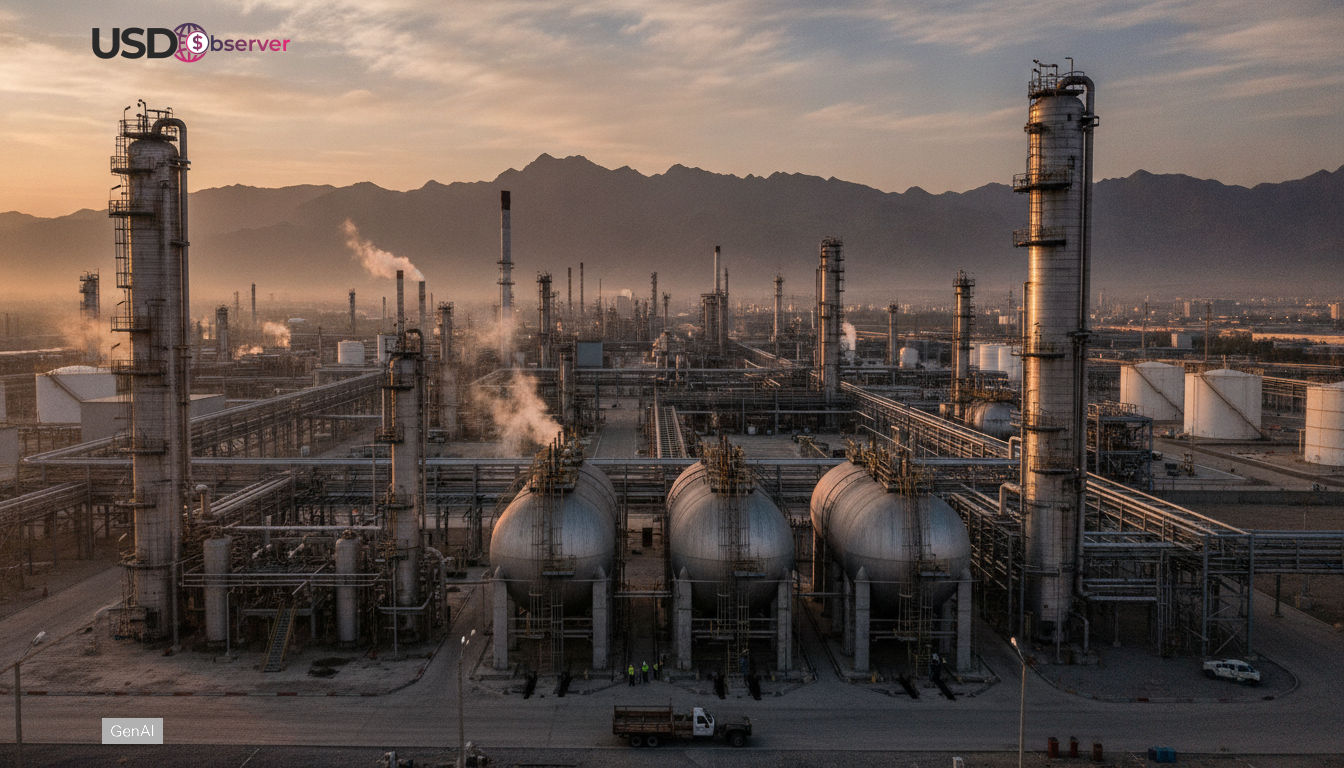
Brent’s return above $100 has turned the market into a contest of credibility, with traders weighing conflicting statements around US-Iran talks against shipping risk in the Gulf. The immediate oil prices impact is visible in wider spreads, firmer prompt contracts, and a jump in hedging demand as refiners and airlines protect near-term exposure. A single headline can now move benchmarks because physical availability is tight and inventories are not offering much cushion, leaving the market sensitive to even incremental oil shortages. Coverage of the latest price surge has focused on how quickly risk premiums re-enter when diplomatic messaging diverges; the price action echoes the tension mapped in the report on US-Iran tensions, while the supply anxiety also tracks disruptions described in updates on Strait of Hormuz oil flows.
Historical Context of Oil Price Fluctuations
Markets have seen $100 oil before, but the route back matters because it shapes who feels the pain first. Past spikes driven by conflict often produced an abrupt re-pricing of freight, insurance, and refinery margins, followed by a slower pass-through to consumers. By contrast, tight capacity and sanctions-era trade rerouting can keep volatility elevated even when headline prices stabilize, because barrels move farther and arrive less predictably. Today’s setup borrows from both playbooks: security risk premiums resemble earlier Gulf episodes, while the fragility of balances resembles periods when spare capacity was thin. A useful reference point is how policy responses and fiscal buffers change with the cycle; Russia’s budget-rule debate shows exporters recalibrating when prices lift revenues, and Reuters has repeatedly documented how quickly futures curves steepen when supply credibility erodes.
Economic Implications Globally
The global economy absorbs higher crude through three channels that hit at different speeds: inflation, growth, and financial conditions. First comes fuel and transport, lifting headline inflation and making central banks more cautious about cutting rates. That caution can tighten credit even in places where demand is cooling, pushing up borrowing costs for households and firms. Next is the trade balance shift: importers face a larger energy bill while exporters gain revenues, widening external imbalances and pressuring weaker currencies. In markets where consumers are sensitive to pump prices, discretionary spending compresses quickly, creating a drag that shows up in retail, travel, and light manufacturing. Investors typically respond by rotating toward cash and safe havens, a pattern mirrored in coverage of the dollar’s safe-haven bid. Bloomberg has also noted that energy shocks can reprice equities even without an immediate recession signal.
Potential Diplomatic Solutions
Diplomacy is not a soft side story here; it is a pricing input, because the market is trying to estimate how many barrels are at risk and for how long. The most immediate lever remains clarity around US-Iran talks, including verifiable steps that reduce the probability of maritime disruption and ease the compliance risk that keeps legitimate trade cautious. Even limited agreements can matter if they lower the chance of miscalculation in chokepoints, since insurance and freight costs respond to risk as much as to physical outages. Another stabilizer is coordinated messaging from major producers and consuming nations that reduces rumor-driven swings, paired with transparent inventory data that narrows uncertainty. When diplomacy fails, governments often lean on subsidies or tax relief to mute domestic backlash, but that can merely shift the burden to public finances, as seen in Brazil’s diesel subsidy proposal. For context on current reporting, the BBC’s coverage of the dispute over negotiations is available at BBC News on oil above $100 and US-Iran claims.
Future Outlook and Predictions
Near-term direction hinges on whether risk premium becomes embedded in physical differentials rather than just paper futures. If disruptions remain a threat, refiners will compete for reliable grades, tightening product markets even if headline crude drifts. That, in turn, can keep gasoline and diesel elevated and prolong the inflation impulse that policymakers are trying to contain. If tensions cool, prices can still stay high if demand holds and spare capacity remains narrow, but volatility should fade as shipping and compliance costs normalize. Watch the curve shape: sustained backwardation signals immediate scarcity, while a flatter curve suggests confidence that supply will arrive later. Equity and currency markets will likely treat each headline as a macro event, which is why oil has become a driver of broader risk appetite; recent market sensitivity is captured in coverage of stocks reacting to oil and war uncertainty. Reuters reporting also emphasizes that mixed signals on diplomacy keep traders unwilling to fade rallies aggressively.