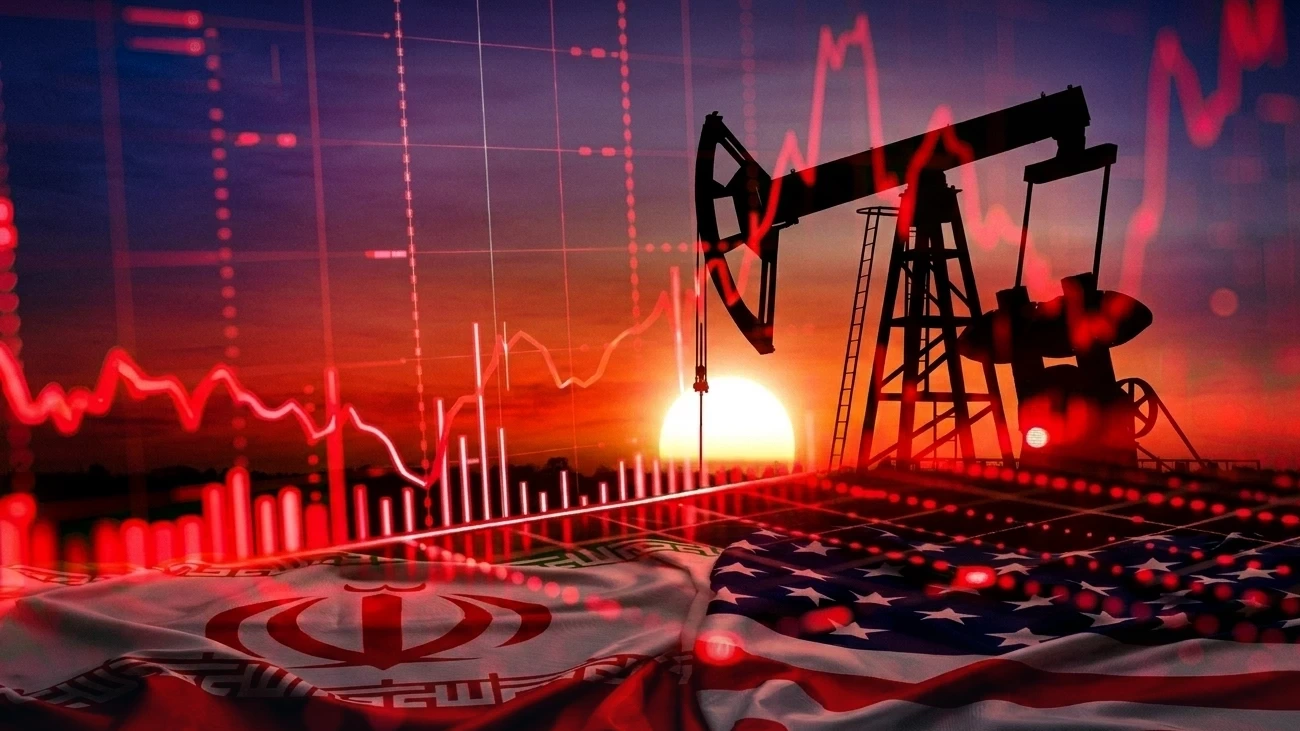
Overview of Current US-Iran Relations
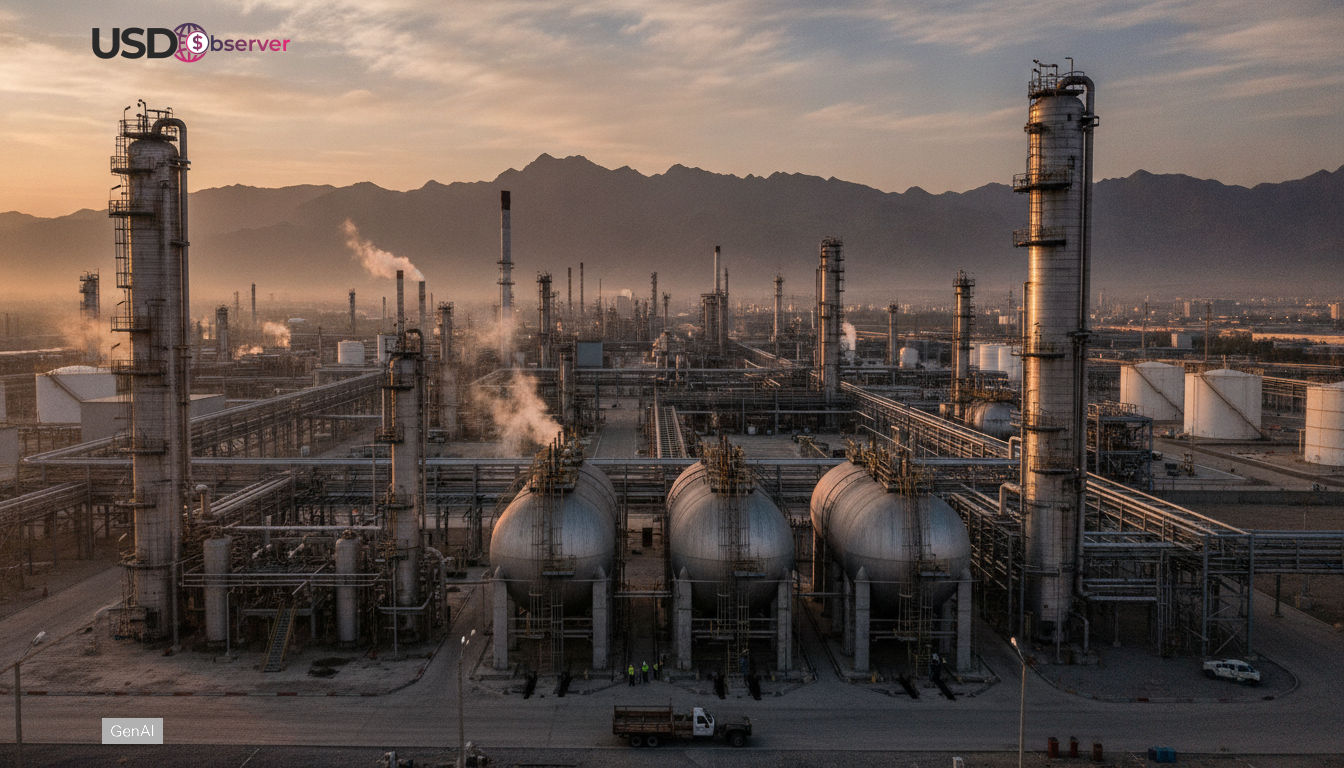
Oil prices jumped back above the $100 mark after traders weighed conflicting claims over whether US-Iran contacts are advancing or stalling, a headline-driven clash that immediately repriced risk across crude curves. The market response was not about diplomacy in the abstract; it was about probability. Any hint of a breakthrough implies a path to fewer constraints on Iranian barrels, while denials or tougher language revive fears of disruption around key Gulf waterways and sanctions enforcement. The result has been whipsaw pricing and thinner conviction in forward expectations. The sharp moves echoed recent tape action captured in coverage of crude rebounding after an Iran denial, where sentiment flipped on a single set of comments.
Impact on Global Oil Prices
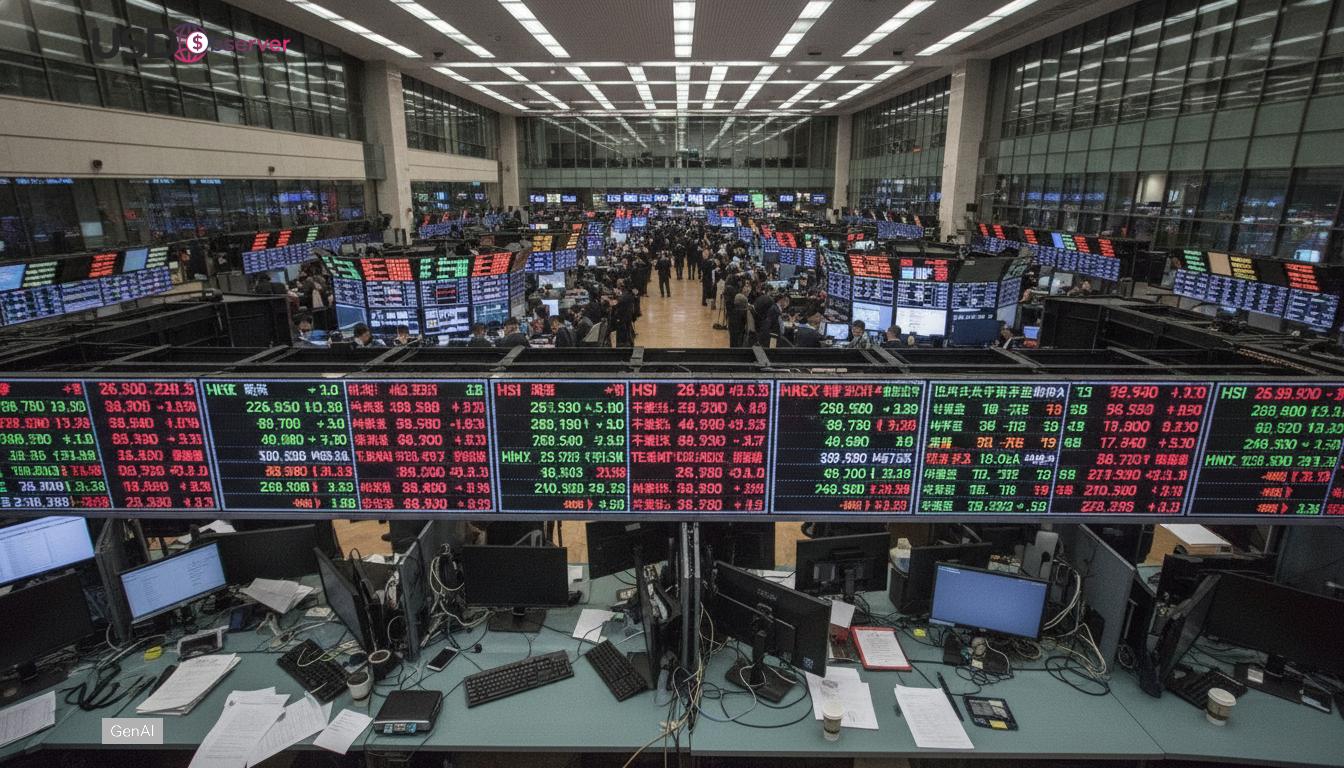
In the physical market, US-Iran tensions are feeding a classic security premium that shows up most clearly in prompt-month contracts and in the widening gap between near-term supply and later delivery. Refiners and traders are paying for optionality because the region’s logistics are unforgiving: even partial interruptions translate into higher freight, tighter availability of medium sour grades, and accelerated inventory draws. That premium also ripples into benchmark spreads, as buyers substitute grades when a preferred stream looks politically vulnerable. The moves have been amplified by algorithmic flows and thin liquidity around headline bursts, which can exaggerate intraday ranges. A similar risk-off pattern has been evident across assets in market reporting on stocks slipping as oil surged, reinforcing that crude is driving, not following, the macro tape.
Economic Consequences for Europe
For Europe, the problem is transmission: higher crude filters into diesel, jet fuel, and petrochemical feedstocks, then into consumer inflation and business cost bases that were only starting to stabilize. The region’s growth outlook is sensitive to energy inputs because margins in manufacturing, transport, and agriculture compress quickly when fuel spikes are sudden rather than gradual. Central banks then face a narrower lane, balancing easing pressures from weaker activity against renewed inflation anxiety. Currency markets reflect that tension, with the dollar often catching a safe-haven bid when geopolitical stress rises, tightening financial conditions for importers. The pressure is visible in coverage of the pound weakening amid war-linked slowdown signals, a reminder that energy shocks can change rate expectations and demand patterns almost overnight.
Energy Markets and Supply Chain Effects
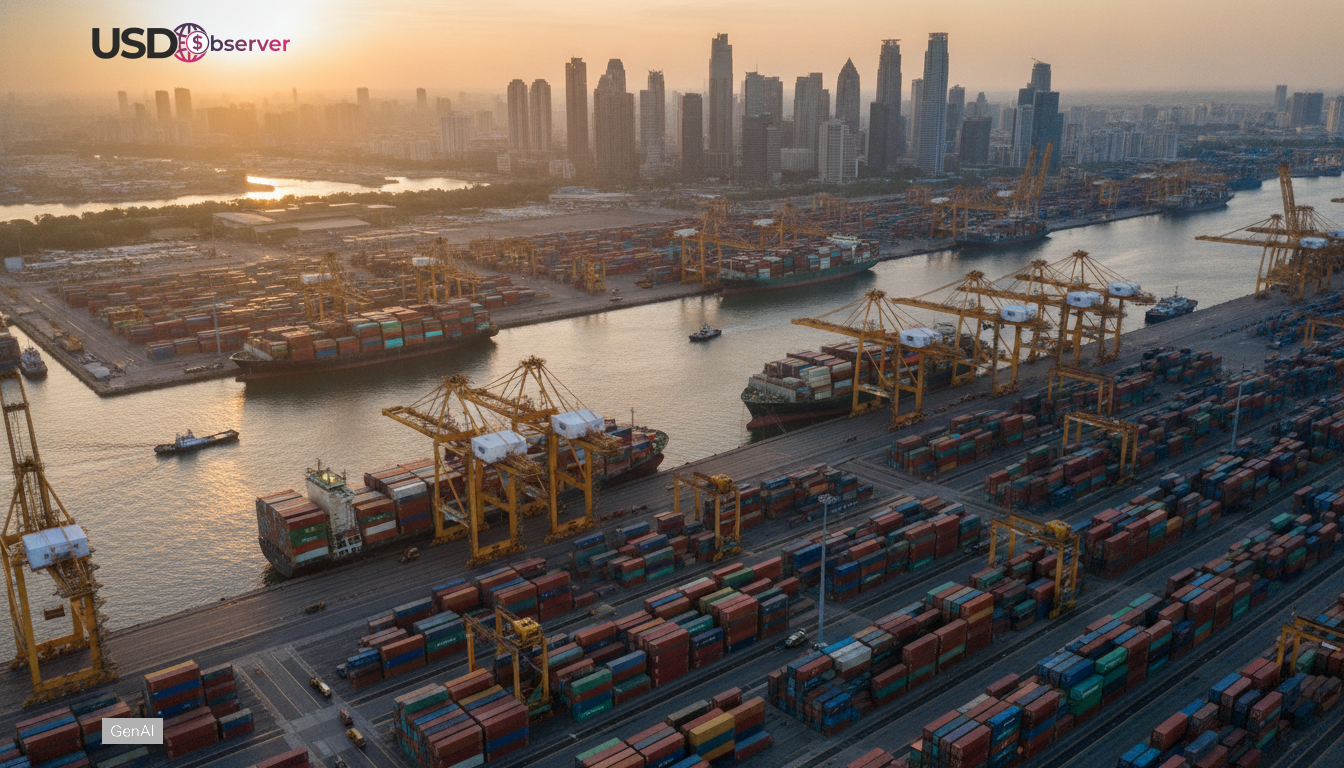
Energy markets are reacting beyond crude, because supply chain linkages turn a price surge into a logistics event. When oil rallies hard, refiners optimize runs toward the most profitable outputs, which can deepen shortages in specific products and force rerouting. Shipping insurers and charter rates typically harden when the Gulf risk narrative heats up, and that cost lands directly on end-users via higher delivered prices. Airlines see jet fuel hedges tested, chemical producers revisit input substitutions, and trucking fleets absorb diesel volatility that quickly feeds food and retail distribution. Even when volumes keep moving, the perception of fragility encourages hoarding behavior, raising working capital needs. The mechanics were underscored by reporting on conditional passage signals near the Strait of Hormuz, where operational uncertainty matters as much as outright shutdowns.
Future Outlook and Market Predictions
Near-term direction will hinge on whether official messaging converges into something tradable: either credible steps toward de-escalation that reduce disruption risk, or a hardening posture that keeps the premium embedded. Analysts will watch time spreads, implied volatility, and refinery margins for confirmation, because those indicators reveal whether the market believes the shock is temporary or structural. If the risk premium persists, policy responses in importing nations may shift toward demand management and targeted subsidies, while producers outside the region gain pricing power. If it fades, the market still faces the question of inventory adequacy and OPEC+ strategy, which can keep prices firm even without geopolitical heat. For context on how fast narratives can unwind, see the earlier reversal detailed in the report on oil plunging as talk signals eased fears. More on the geopolitical backdrop is available via BBC reporting on developments tied to the tensions and ongoing market analysis at OilPrice.com’s crude and policy coverage.