Canada US trade relations and dependence on US demand
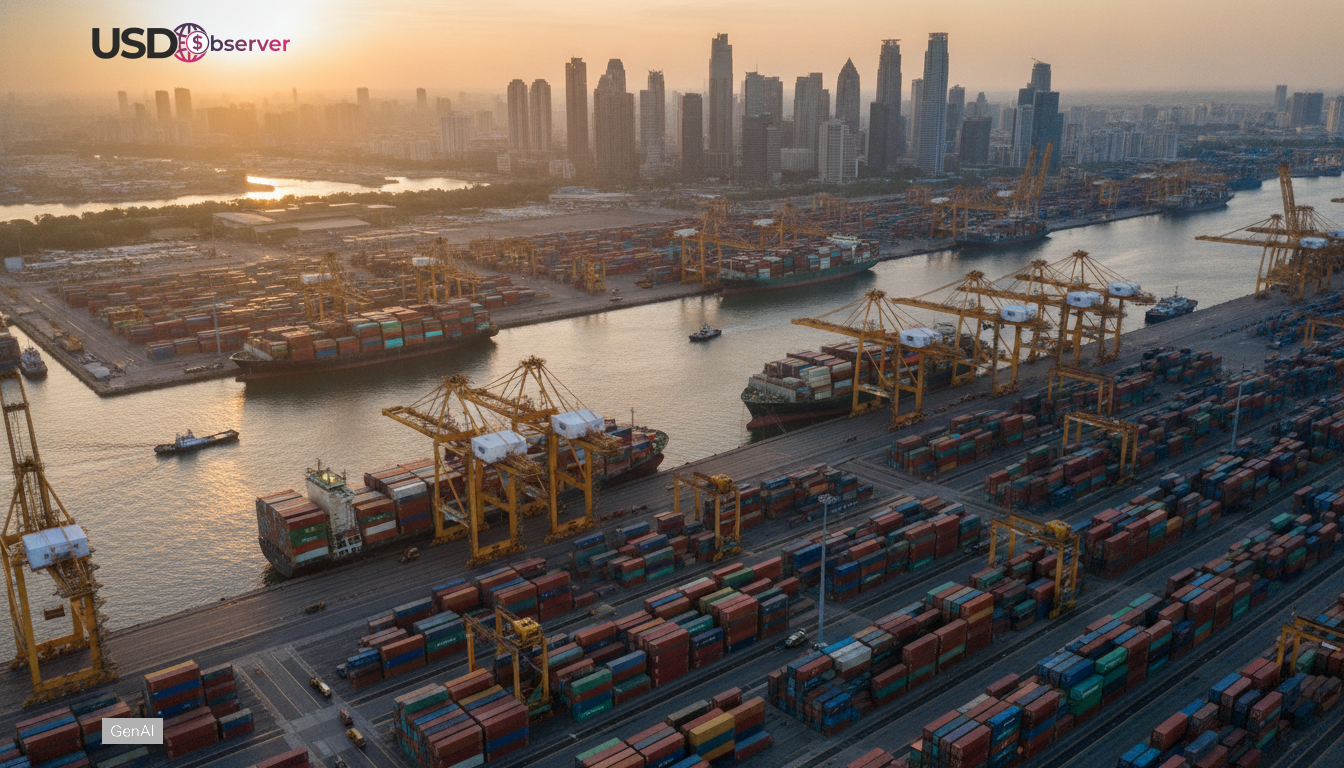
According to available reports, Canada US trade relations may shape Ottawa’s leverage in disputes because a significant portion of Canada’s merchandise trade is tied to US demand and shared supply chains, as reflected in official trade statistics. That exposure suggests a core constraint: retaliation typically needs to increase pressure in the United States while minimizing damage to Canadian households and manufacturers. Statistics Canada merchandise trade reporting indicates that the United States is Canada’s largest merchandise export destination by a wide margin, which helps explain why Canadian policy often emphasizes targeted measures rather than economy-wide shocks. The most useful pressure points are often sector-specific, where production is concentrated and substitution can take time in Canada US trade relations. Timing matters too: contract cycles, inventory buffers, and delivery schedules can influence when costs appear and who bears them in the early weeks of a dispute.
Tools Ottawa can use under CUSMA and domestic policy
In Canada US trade relations, Canadian officials may escalate using CUSMA dispute channels and by calibrating retaliatory lists to match documented harm, depending on the facts of the case and domestic political constraints. In past North American tariff episodes, governments have reportedly relied on targeted duties, customs enforcement, and procurement adjustments that can be reversed if negotiations progress, and a separate lens is Financial rails: stablecoins enter payment infrastructure. For market plumbing, payment frictions can also show up when compliance costs rise, which is why some analysts track how settlement options evolve across borders. The goal is credible, implementable pressure rather than symbolism that is hard to unwind.
Where the US economy feels pressure first
In Canada US trade relations disputes, near-term US impacts often depend on whether affected inputs are specialized, hard to replace quickly, or embedded in just-in-time manufacturing. When duties or compliance frictions increase, US firms that rely on Canadian intermediate goods may face margin pressure and delivery delays, particularly where re-qualifying suppliers can take months. These effects can feed into pricing and financing conditions before headline trade volumes move much, which is one reason markets sometimes react early through rates and FX; reporting such as US Trade War Fears Rise as Trump Widens Tariffs and US-Canada trade war stokes tariff fears for firms describes how businesses translate tariff risk into budgets, sourcing plans, and near-term price decisions.
What history shows about escalation and off ramps
Canada’s approach is shaped by prior disputes that tested how far retaliation can go without disrupting integrated production. In general, WTO dispute settlement procedures and rules-based North American processes are designed to evaluate whether measures are connected to the contested policy and how remedies are structured; in practice, governments often argue for actions that can be adjusted or removed if compliance is restored in Canada US trade relations. That is why policymakers often prefer targeted duties and narrowly defined restrictions rather than broad bans that could create uncontrolled spillovers. History also suggests that business lobbies on both sides can push for off ramps once procurement freezes, licensing delays, or input shortages start to affect cash flow, including in auto and lumber corridors that run through Ontario and Michigan. The practical lesson is that credibility comes from execution capacity and documentation, not from maximal threats.
Global spillovers for logistics and markets
A sharper bilateral dispute may not stay contained because North American production is embedded in global logistics, commodity markets, and cross border financing. When firms reroute sourcing, shipping constraints and chokepoints can magnify price moves even if total volumes shift only modestly; coverage such as Panama Canal shipping hit as El Nino cuts transits illustrates how operational limits can tighten schedules and raise costs for rerouting. Over time, recurring frictions can normalize higher compliance burdens and make regionalization more expensive and less predictable. For investors, the key is how quickly supply chain stress feeds into inflation expectations, USD yields, and FX pricing, especially when retaliation targets bottlenecks rather than consumer-facing goods.