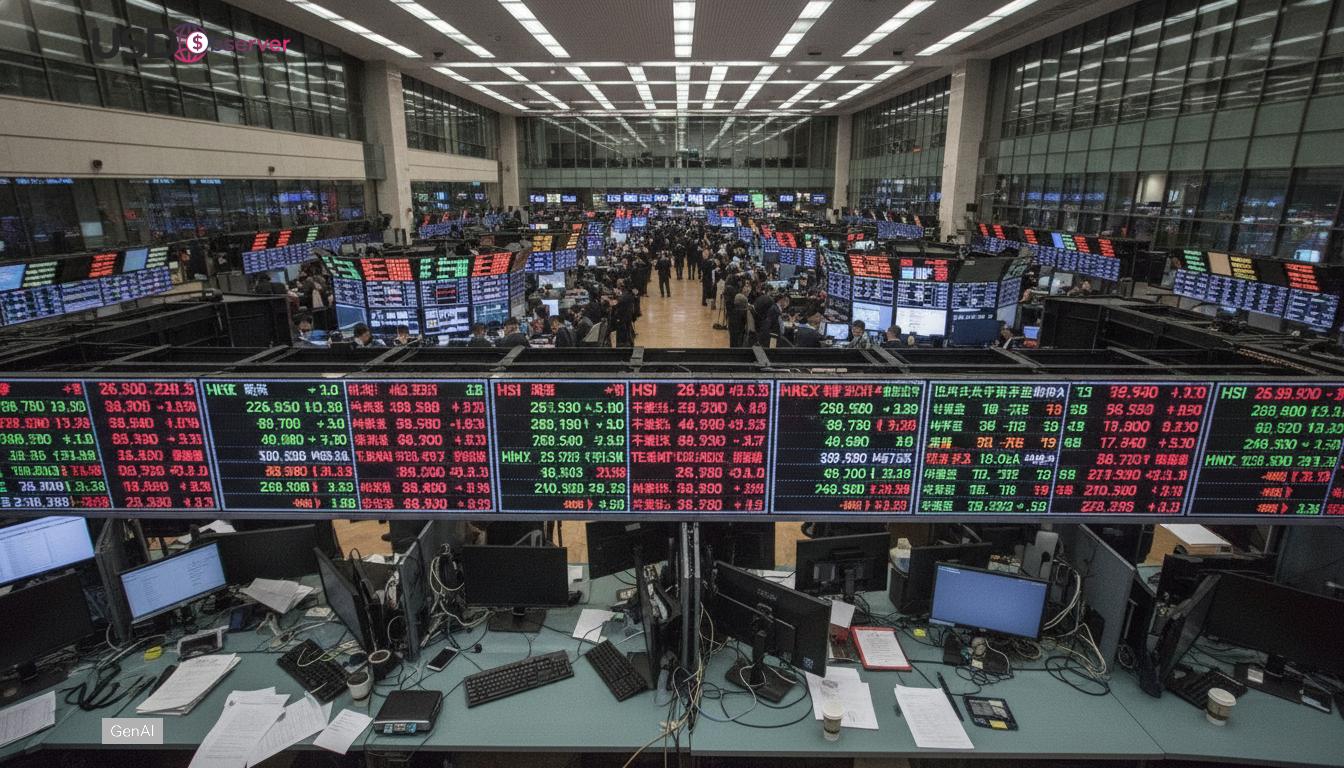
Global equity markets moved lower as rising oil prices and ongoing uncertainty around the Middle East conflict weighed heavily on investor sentiment, with traders closely tracking developments that could shape energy flows and inflation. U.S. stock indexes edged down after a brief rebound in the previous session, reflecting fragile confidence as markets reacted to mixed signals on diplomacy and military escalation. The combination of higher crude prices and geopolitical tension has created a cautious environment, limiting risk appetite and pushing investors toward defensive positioning.
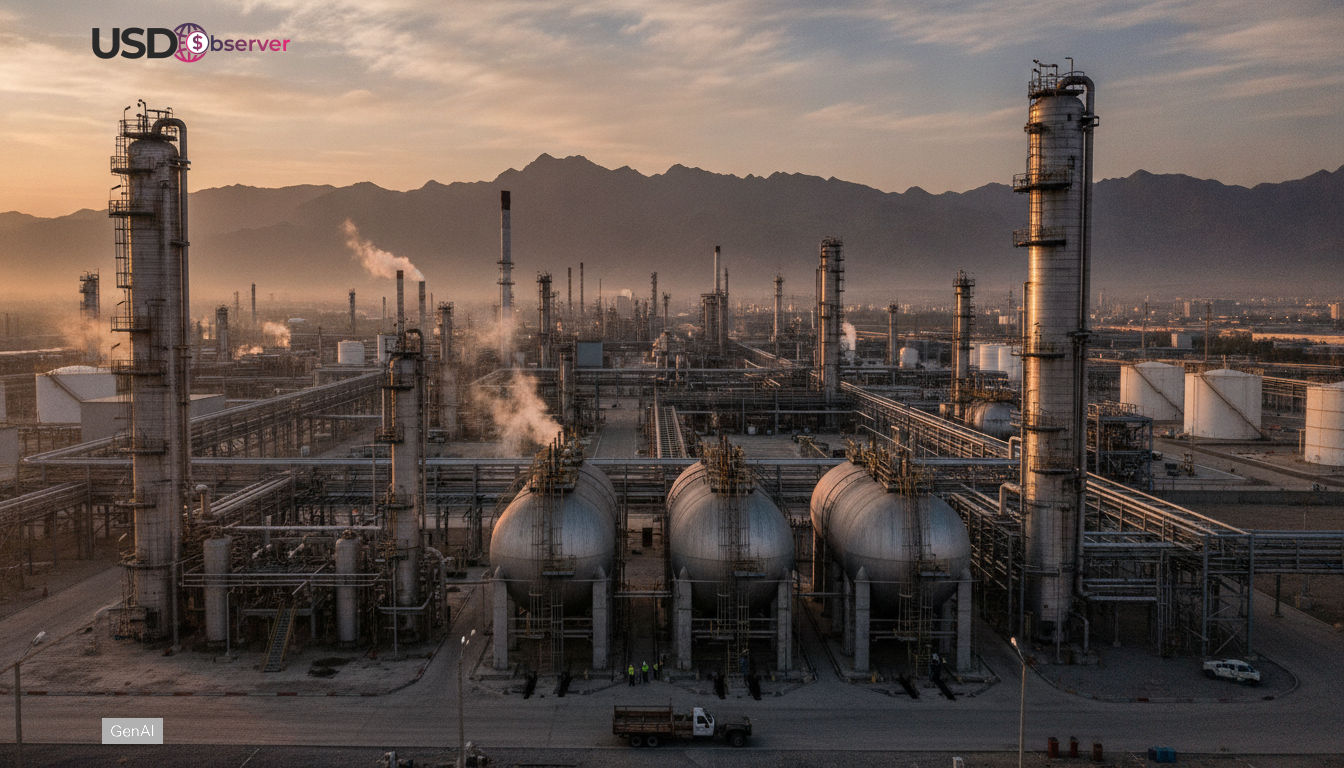
Oil prices continued their sharp upward trend as disruptions around the Strait of Hormuz raised concerns about supply constraints, with a significant portion of global energy shipments affected. Brent crude climbed above the one hundred dollar level while U.S. benchmarks posted strong gains, reinforcing fears that energy costs could remain elevated. The surge in oil has added pressure on inflation expectations globally, complicating policy decisions for central banks already navigating a delicate balance between growth and price stability.
Equity markets reflected this pressure as major U.S. indexes posted modest losses, with technology and communication sectors leading declines. Treasury yields also moved higher following weak demand in recent government debt auctions, signaling continued uncertainty around interest rate direction. At the same time, the U.S. dollar showed resilience against major currencies, supported by expectations that monetary policy may remain tighter for longer as inflation risks persist in the wake of rising energy costs.
Investor sentiment remained highly sensitive to geopolitical headlines, with markets reacting to both signs of potential negotiations and reports of increased military deployment. While diplomatic efforts have offered some hope of de escalation, the possibility of prolonged conflict continues to dominate market thinking. Analysts noted that the lack of clarity around the duration and scale of the war is a key factor driving volatility, as investors struggle to assess its broader impact on global trade and economic stability.
Economic data from Europe added to concerns, showing that business activity in the euro area has slowed significantly as inflation pressures intensify and supply chains face renewed strain. The impact of higher energy prices is already visible in rising input costs and delayed deliveries, suggesting that the conflict is beginning to feed into real economic conditions. This has raised fears that growth could weaken further if energy disruptions persist, increasing the risk of a broader slowdown across major economies.
In financial markets, expectations for central bank policy have shifted notably, with traders reducing bets on rate cuts and considering the possibility of further tightening if inflation remains elevated. Rising yields on U.S. government bonds reflect this shift, while gold prices have seen modest gains as investors seek partial hedges against uncertainty. As markets continue to respond to rapidly evolving geopolitical developments, volatility is expected to remain elevated, with energy prices and policy signals at the center of investor focus.