Current Situation in US-Iran Relations
Mixed signals around diplomacy have become the story, with traders reacting to every headline as the US-Iran conflict dominates the tape. Conflicting claims over whether talks are advancing or stalling have kept risk premia embedded in global oil prices, and the market has treated the information gap as a supply threat rather than noise. The key is credibility: when official statements diverge, refiners and physical buyers assume disruption risk until proven otherwise. That reaction is reinforced by the region’s role in seaborne flows and by the way sanctions enforcement can tighten quickly without new laws. The result is a market that prices probability, not promises, and does so minute by minute through the front end of the curve.
Immediate Effects on Oil Prices
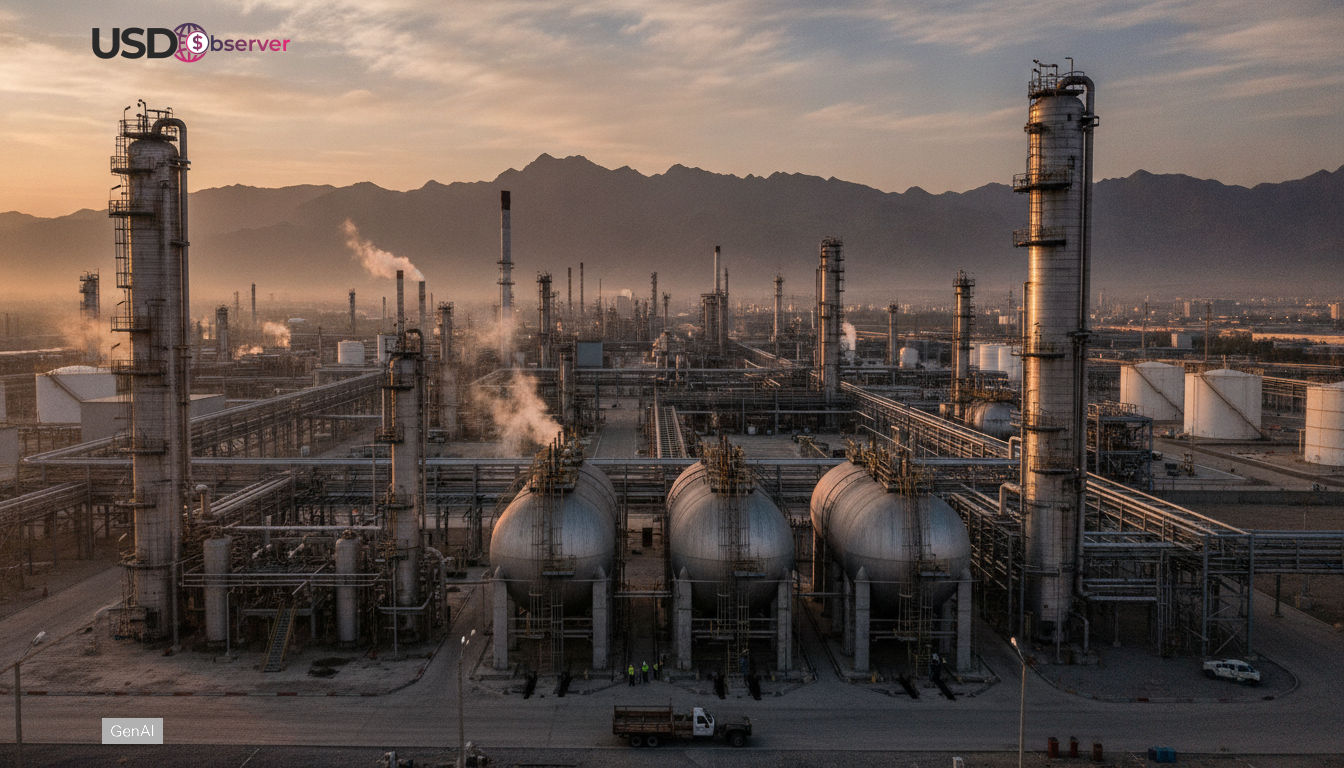
The immediate price action has been blunt: crude pushed above $100 as traders paid up for near-term barrels and protection against a sudden tightening. Volatility has risen because positioning is thin and the futures market is hypersensitive to incremental headlines, a dynamic tracked closely in recent coverage of oil price volatility tied to negotiations. In the physical market, differentials have firmed where prompt supply looks constrained, while time spreads reflect anxiety about availability in the next few cargo cycles. The fear isn’t abstract; it’s the possibility of oil shortages created by shipping disruptions, tougher compliance, or retaliatory measures that slow exports. Reuters has described the move as being driven by conflicting talk signals and renewed supply-risk pricing.
Potential Global Economic Impact
Oil above $100 transmits like a hard tackle across the global economy, hitting momentum through fuel costs, freight rates, and inflation expectations that central banks can’t ignore. The most exposed are importers with limited fiscal space, because higher energy bills widen trade deficits and pressure currencies, pushing up the local cost of everything priced in dollars. That feedback loop is already visible in risk assets and rate markets, where higher crude forces investors to reconsider the path of policy easing. The broader market impact has been captured in analysis of the shockwaves from triple-digit oil, while the currency channel shows up alongside safe-haven flows in reporting on a stronger dollar during escalation fears. Bloomberg has also noted that energy-led inflation can reset expectations quickly.
Europe’s Energy Supply Concerns
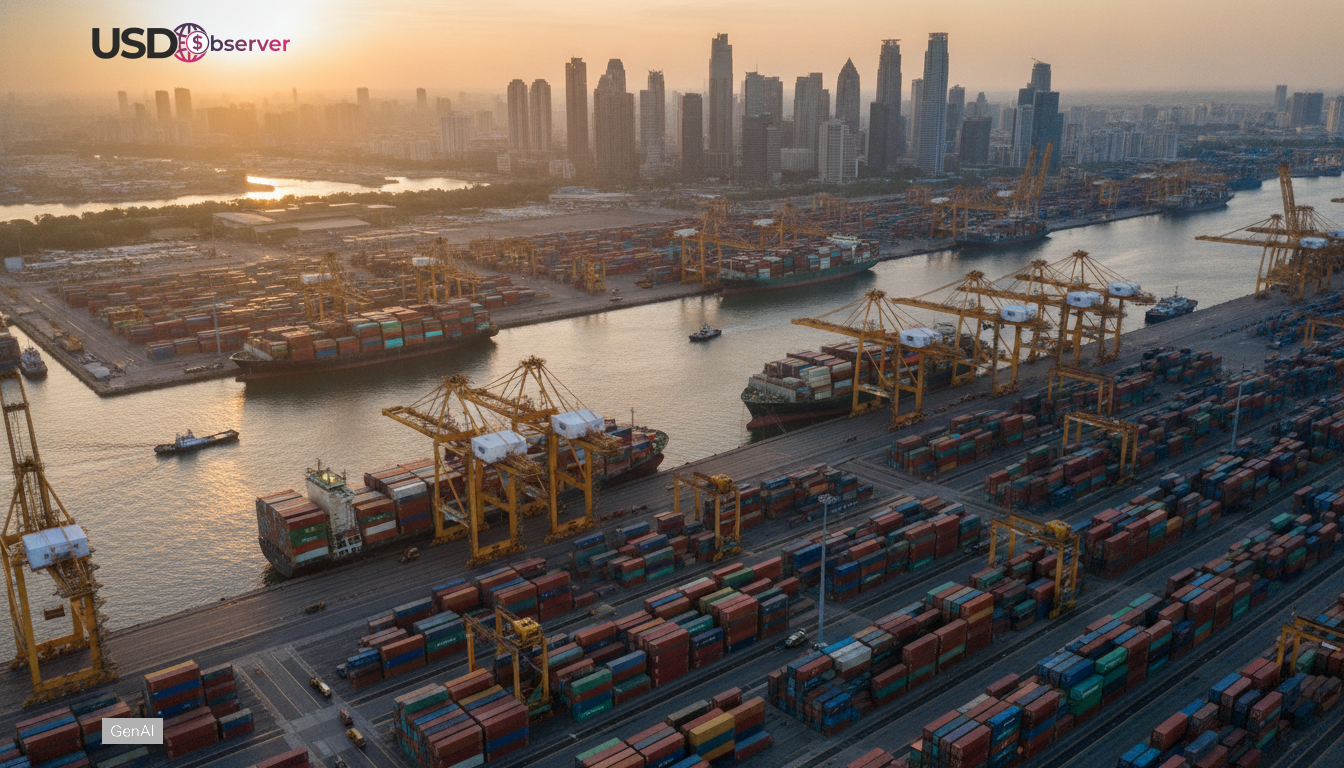
For the impact on Europe, the pressure point is not just crude prices but the reliability of supply routes and the cost of replacement barrels when trade patterns shift. European refiners are forced to compete harder for Atlantic Basin grades, and shipping costs can rise as insurers and owners reprice risk, tightening effective supply even if production is unchanged. That squeezes margins and raises pump prices, complicating the region’s inflation fight and weighing on industrial competitiveness. Europe’s vulnerability is magnified when market chatter turns to chokepoints, a theme explored in coverage of conditional passage signals in the Strait of Hormuz. The knock-on effects show up in equities and confidence, echoed by the market tone in reports of stocks slipping amid oil-driven uncertainty.
Future Outlook for Oil Markets
Looking ahead, the market’s path depends on whether the US-Iran conflict produces verifiable de-escalation signals or keeps generating contradictory messaging that sustains a risk premium. The baseline for traders is pragmatic: as long as clarity is missing, the front end stays supported, inventories matter more, and price reactions become more abrupt around official comments and shipping updates. That doesn’t require dramatic new events; it only requires a persistent gap between rhetoric and observable flows. Monitoring tools have become part of the mainstream narrative, including real-time shipping and incident reporting such as BBC reporting on the latest developments affecting regional stability, which adds context when markets move faster than formal statements. In this environment, the premium for certainty remains high, and $100 oil becomes a reference point rather than an outlier.