USD & Forex
Stablecoins, Token Economics, and the Dollar’s Digital Future
Stablecoins have quietly become one of the most important innovations in modern finance, creating a bridge between traditional dollar markets and decentralized digital assets


Stablecoins have quietly become one of the most important innovations in modern finance, creating a bridge between traditional dollar markets and decentralized digital assets
Money is not only an economic instrument; it is a social construct. The U.S. dollar, long the backbone of global finance, embodies state authority, trust, and network effects built over decades of political and institutional stability
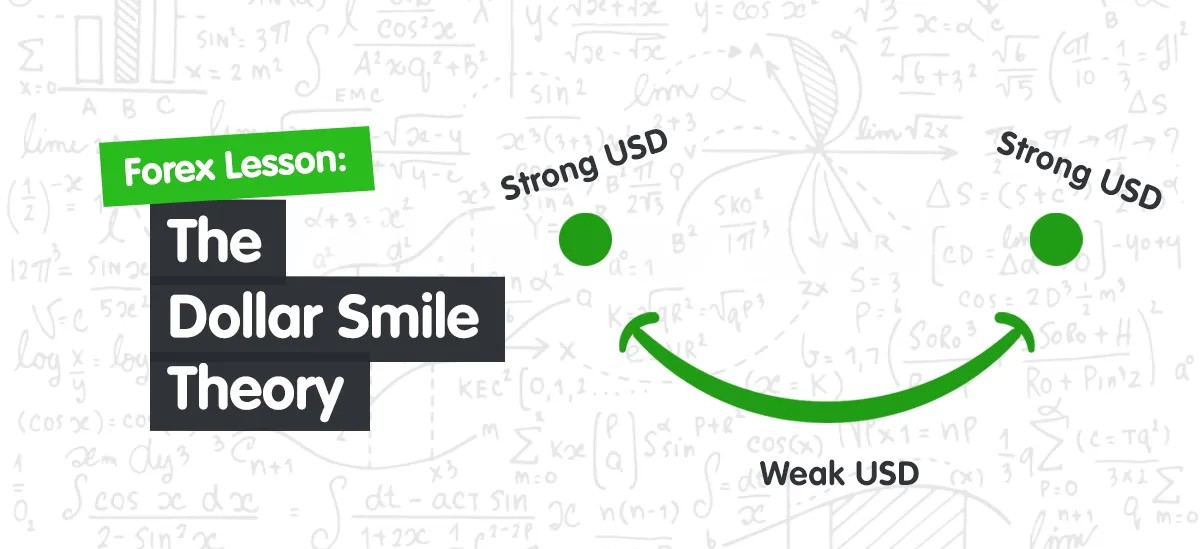
The “Dollar Smile” is one of the most enduring frameworks in foreign exchange markets, offering traders and economists a lens to understand why the U.S. dollar often strengthens under seemingly opposite conditions
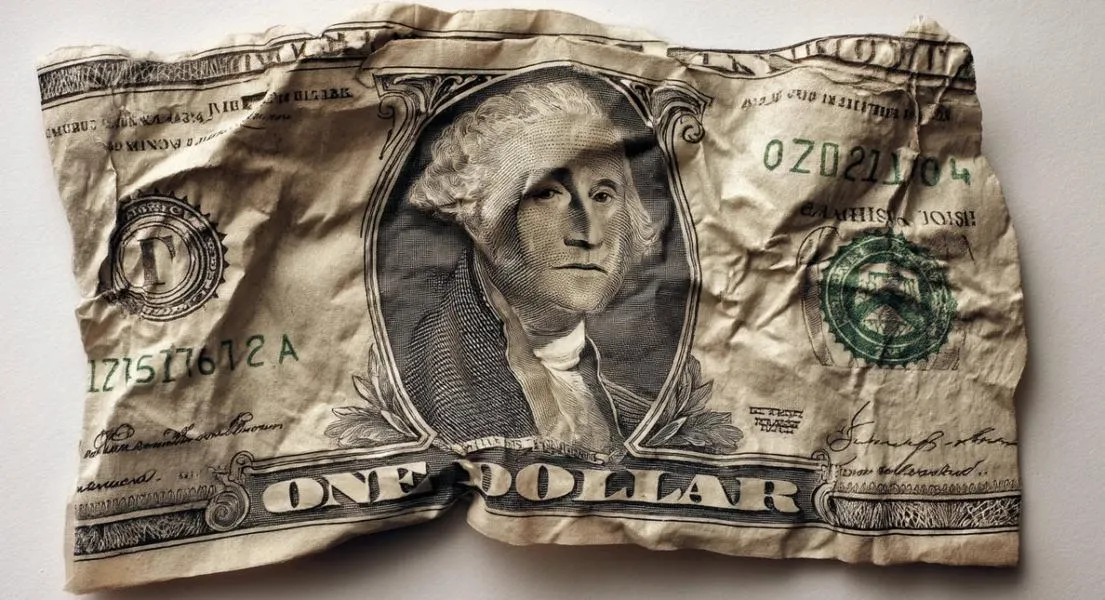
The “twin deficits” theory — linking a country’s budget deficit and current account shortfall to currency weakness — has long been applied to the United States. Yet despite persistent deficits, the U.S. dollar has often defied the narrative, strengthening even as fiscal and trade gaps widened

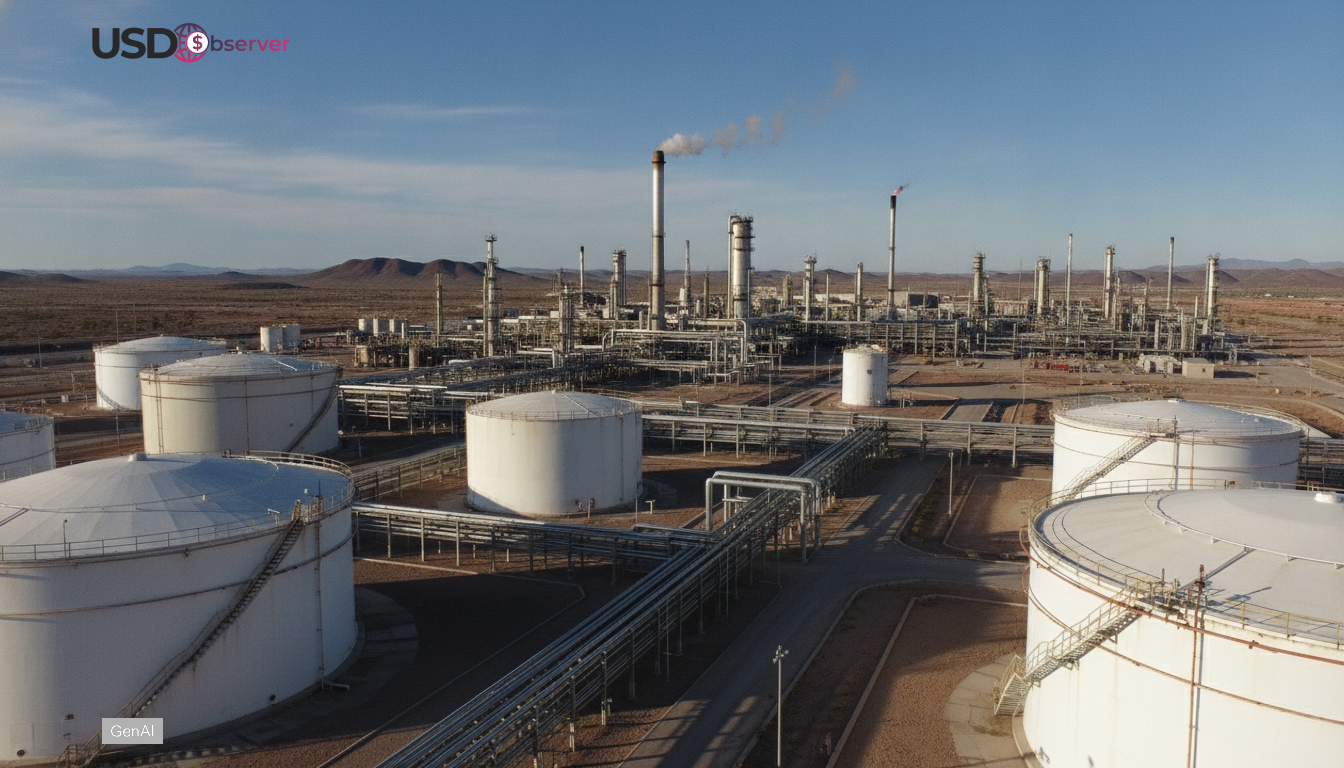
The U.S. shale revolution has transformed America from a major oil importer into one of the world’s leading producers
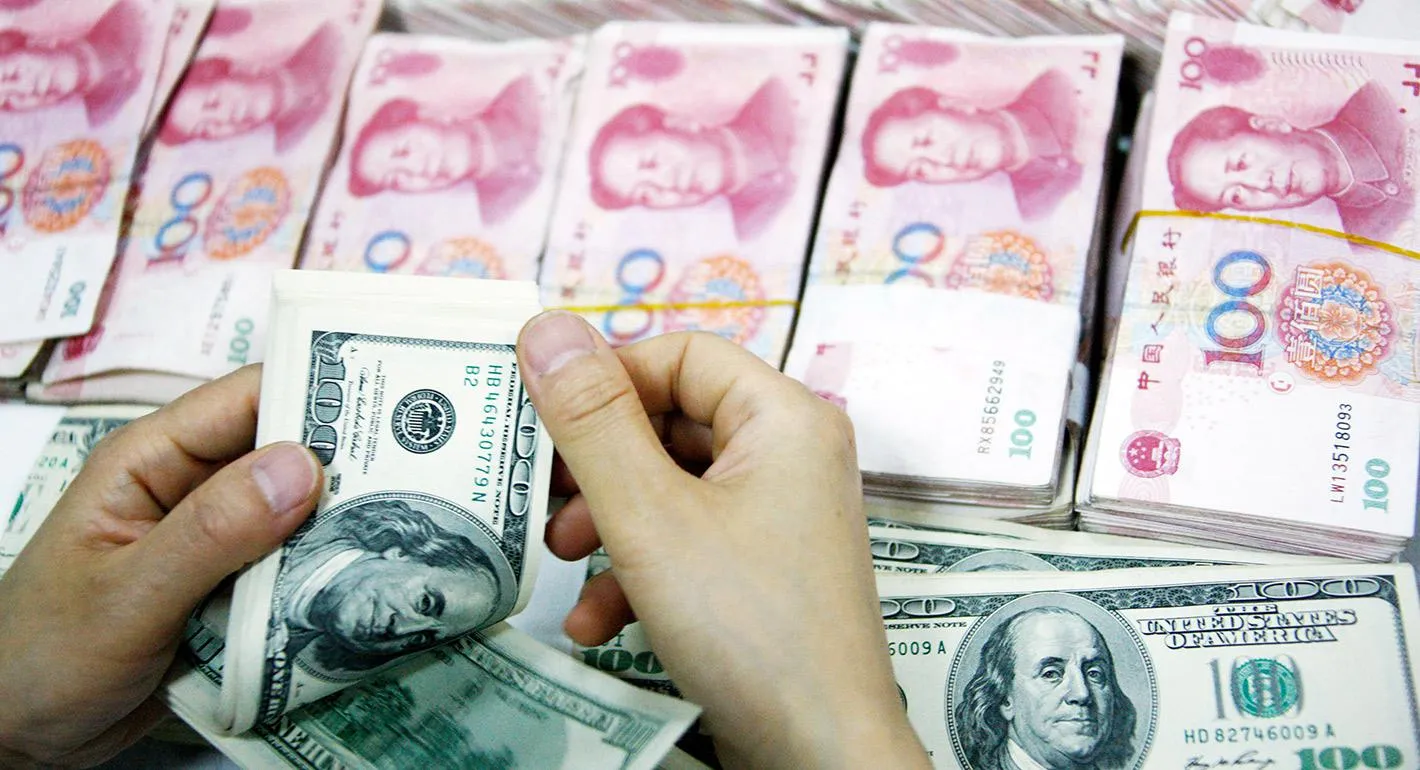
In March 2020, the Federal Reserve cut rates to zero in response to the fastest global economic collapse in modern history
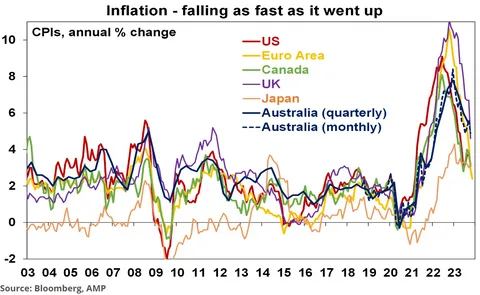
Despite rapid tightening cycles in 2022–2023, price pressures have proven stubborn. In the U.S., inflation cooled sharply from its 9% peak in 2022

For decades, U.S. natural disasters were treated as local tragedies with limited market impact. But between 2018 and 2024, the scale and frequency of hurricanes, wildfires, and heatwaves began to ripple through global markets

Global foreign exchange markets have long revolved around the US dollar. The USD’s dominance in trade settlements, reserve holdings, and cross-border transactions has shaped

The US dollar has long been the cornerstone of global finance. Its strength underpins trade settlements, reserve portfolios, and cross-border investments. However, the emergence