USD & Forex
Will BRICS’ Crypto Experiments Challenge the USD’s Dominance?
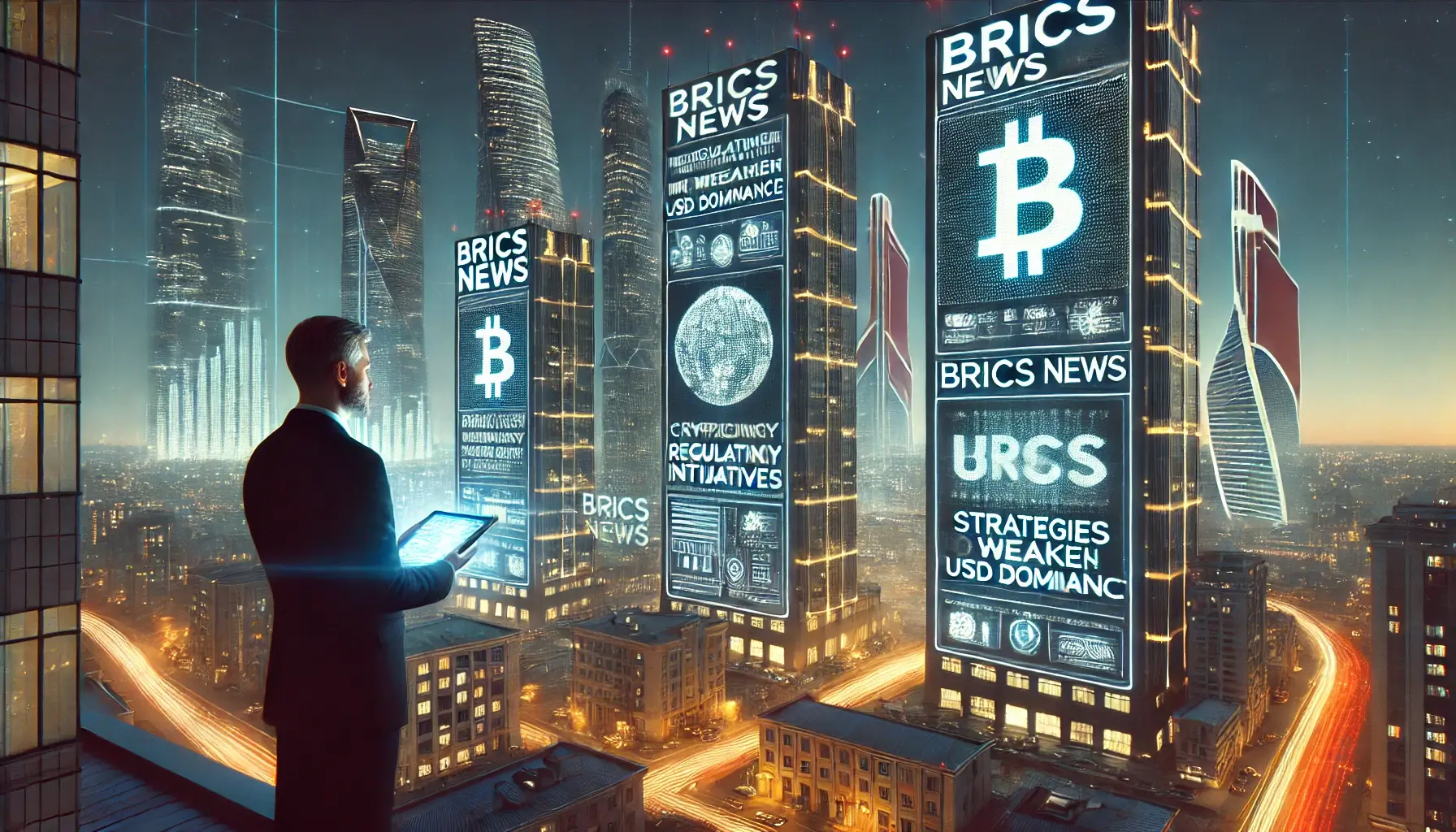
Johannesburg, September 9, 2025 – As global finance undergoes rapid digital transformation, the BRICS bloc Brazil, Russia, India, China, and South Africa


Johannesburg, September 9, 2025 – As global finance undergoes rapid digital transformation, the BRICS bloc Brazil, Russia, India, China, and South Africa
For years, critics of U.S. hegemony have predicted the dollar’s decline.
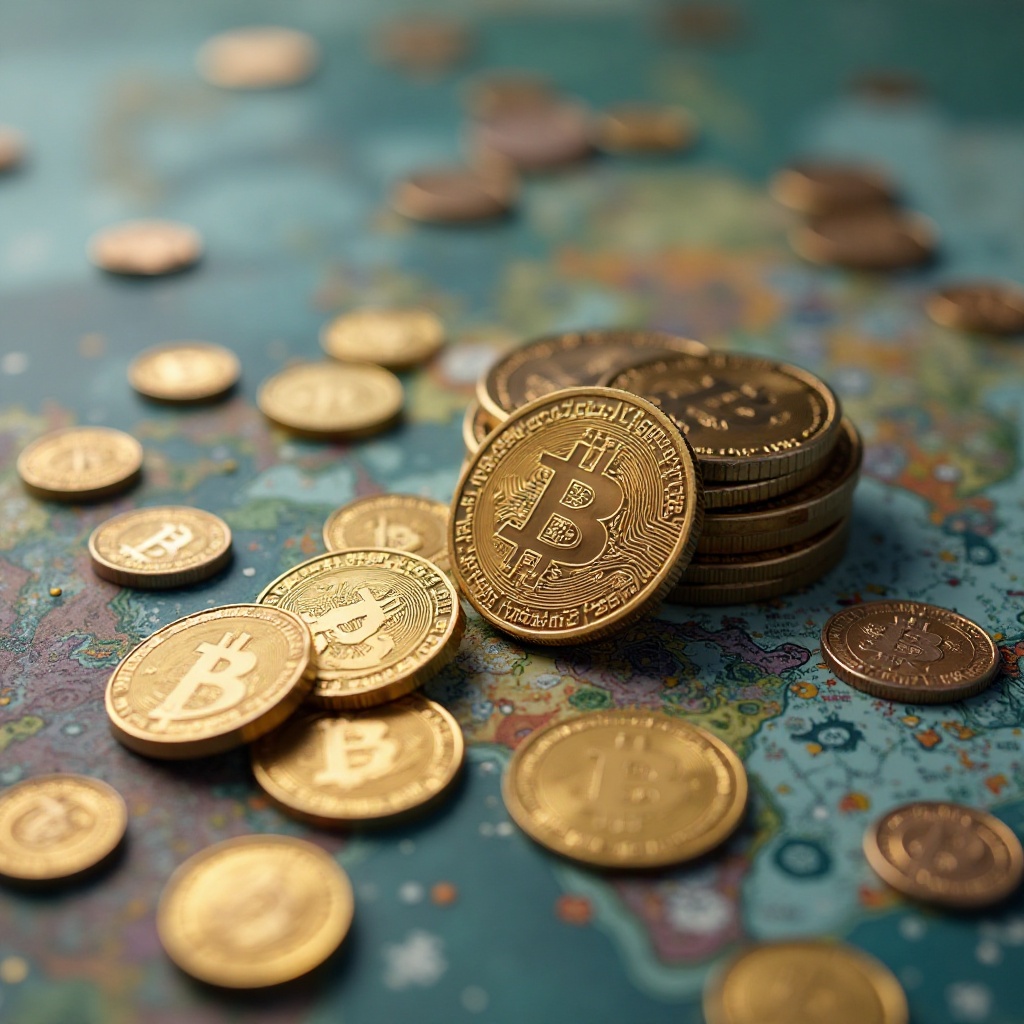
For decades, the world has been built on the foundation of government-issued money—dollars, euros, yen, and yuan. But as we step deeper into the digital era, the question arises:
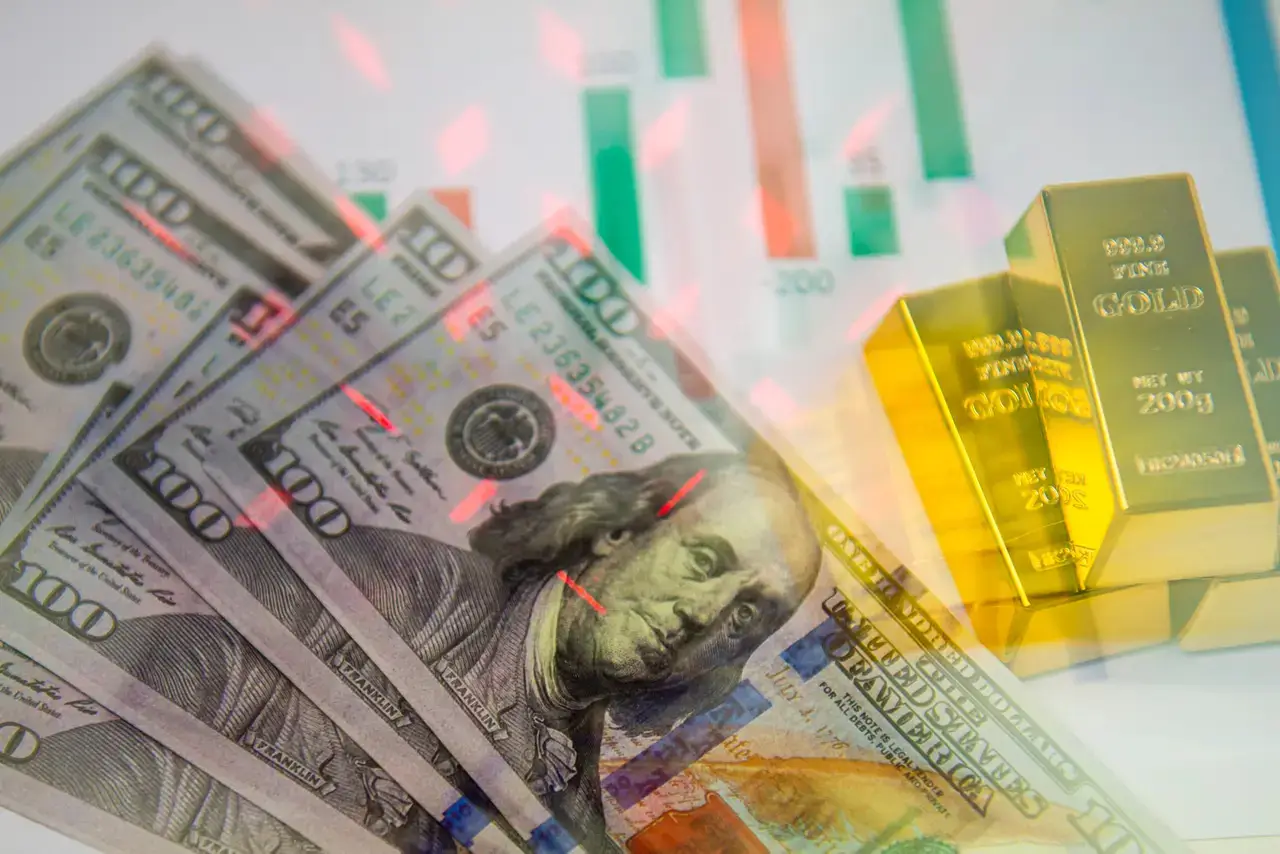
The U.S. dollar (USD) and global commodities markets share a deep, interlinked relationship that shapes investment flows, trade dynamics, and macroeconomic cycles.
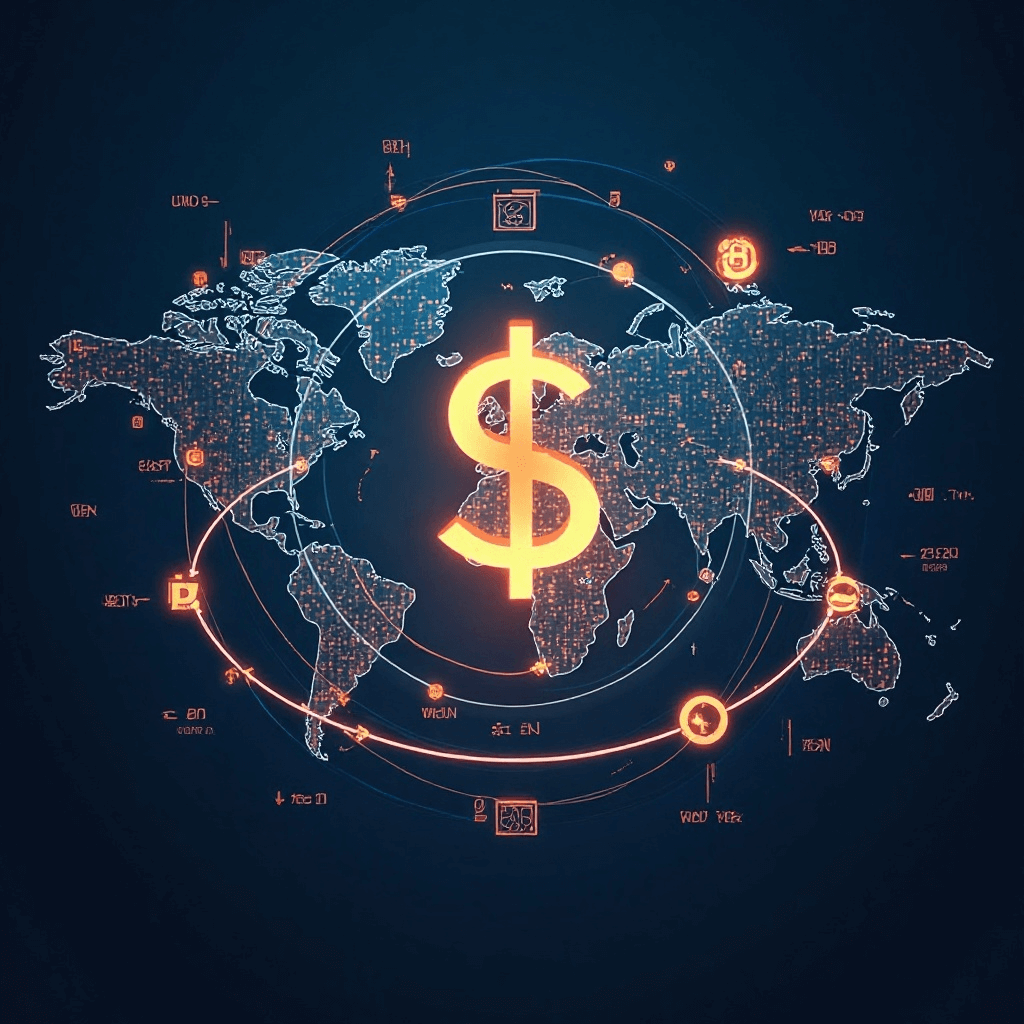
The U.S. dollar (USD) is more than just America’s currency—it is the lifeblood of the global financial system.
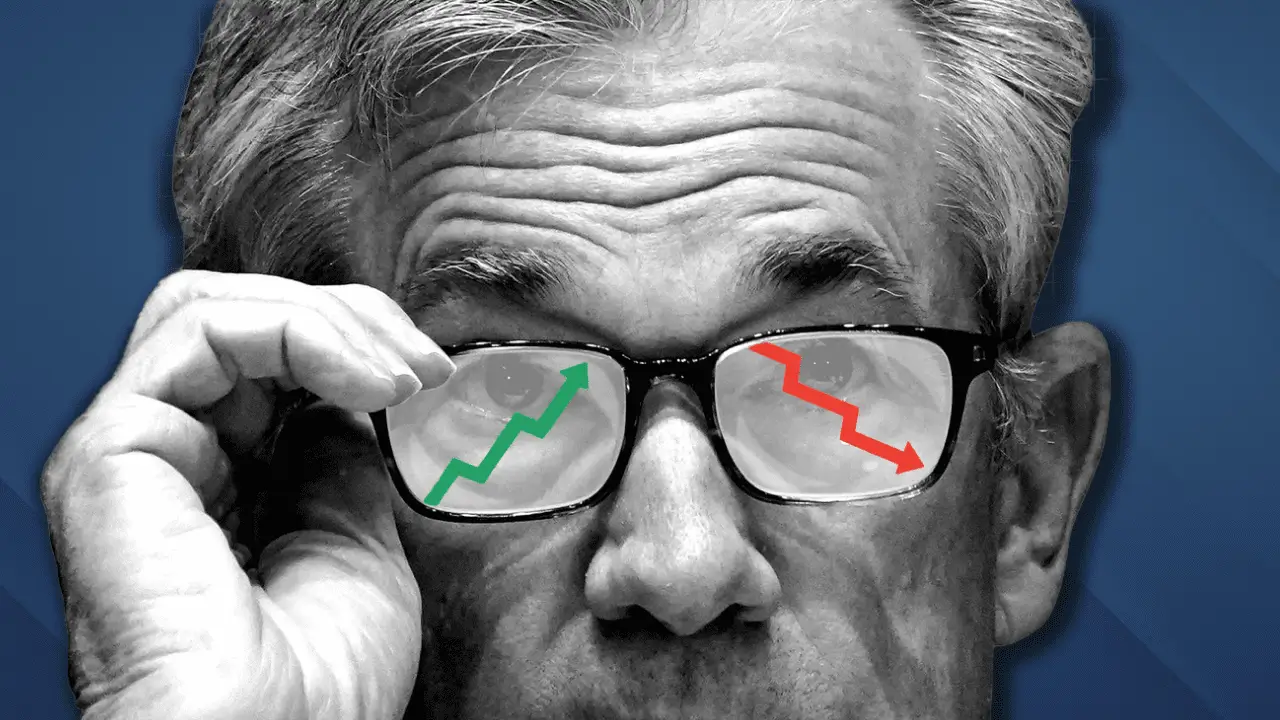
The year 2021 was a turning point for the U.S. Dollar (USD), as global markets grappled with the aftermath of the COVID-19 pandemic and the Federal Reserve’s shifting stance on monetary policy
Few indicators hold as much sway over global markets as U.S. Treasury yields. They are not just a measure of the U.S. government’s borrowing costs but also a barometer of investor sentiment
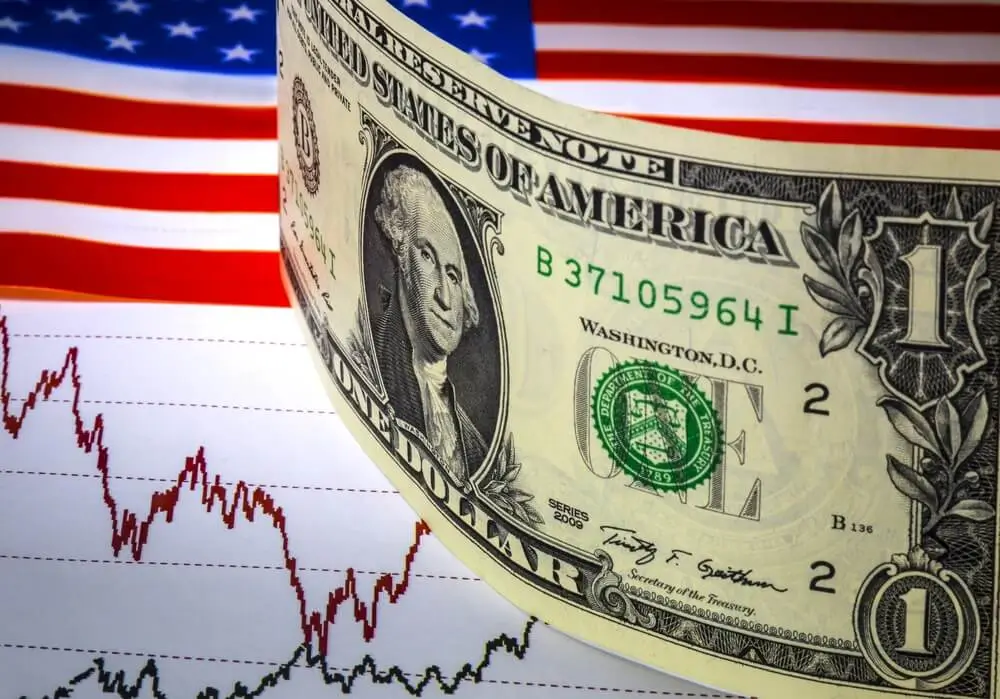
Currencies, like economies, move in cycles. For decades, analysts have tracked the U.S. dollar’s long-term trajectory marked by alternating periods of strength and decline, often lasting years.
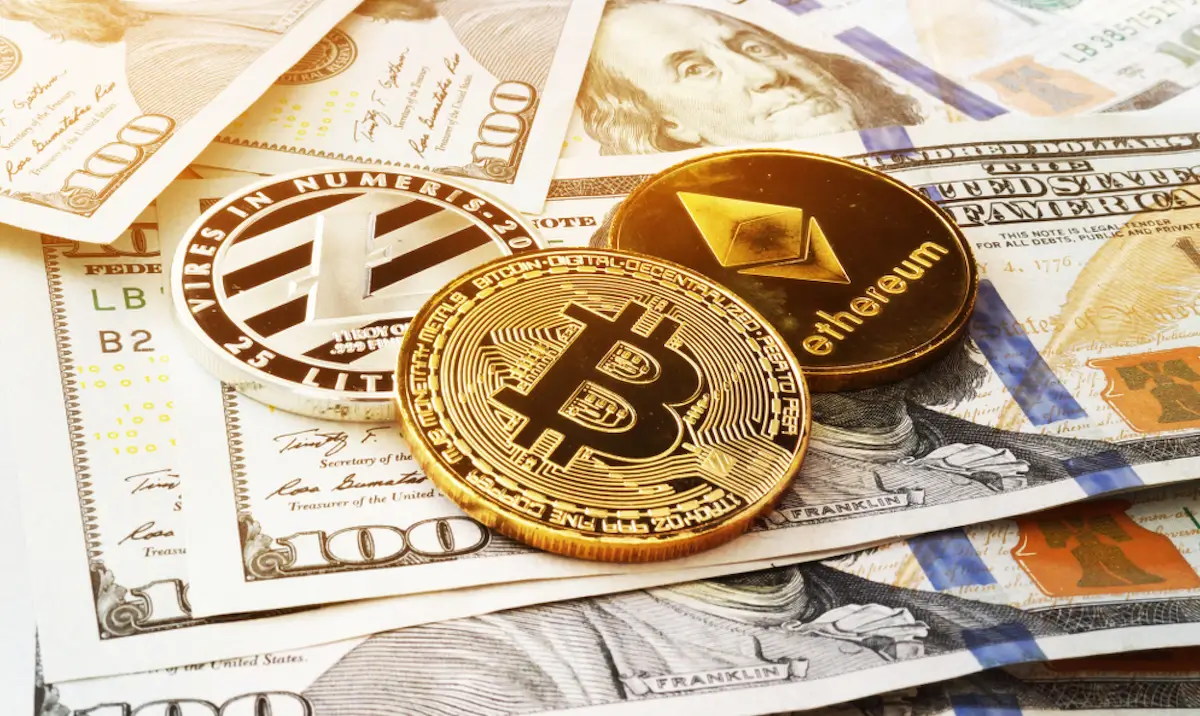
For more than seven decades, the U.S. dollar has been the world’s most powerful currency. It fuels international trade, underpins global reserves, and sets the benchmark for trust in financial markets.
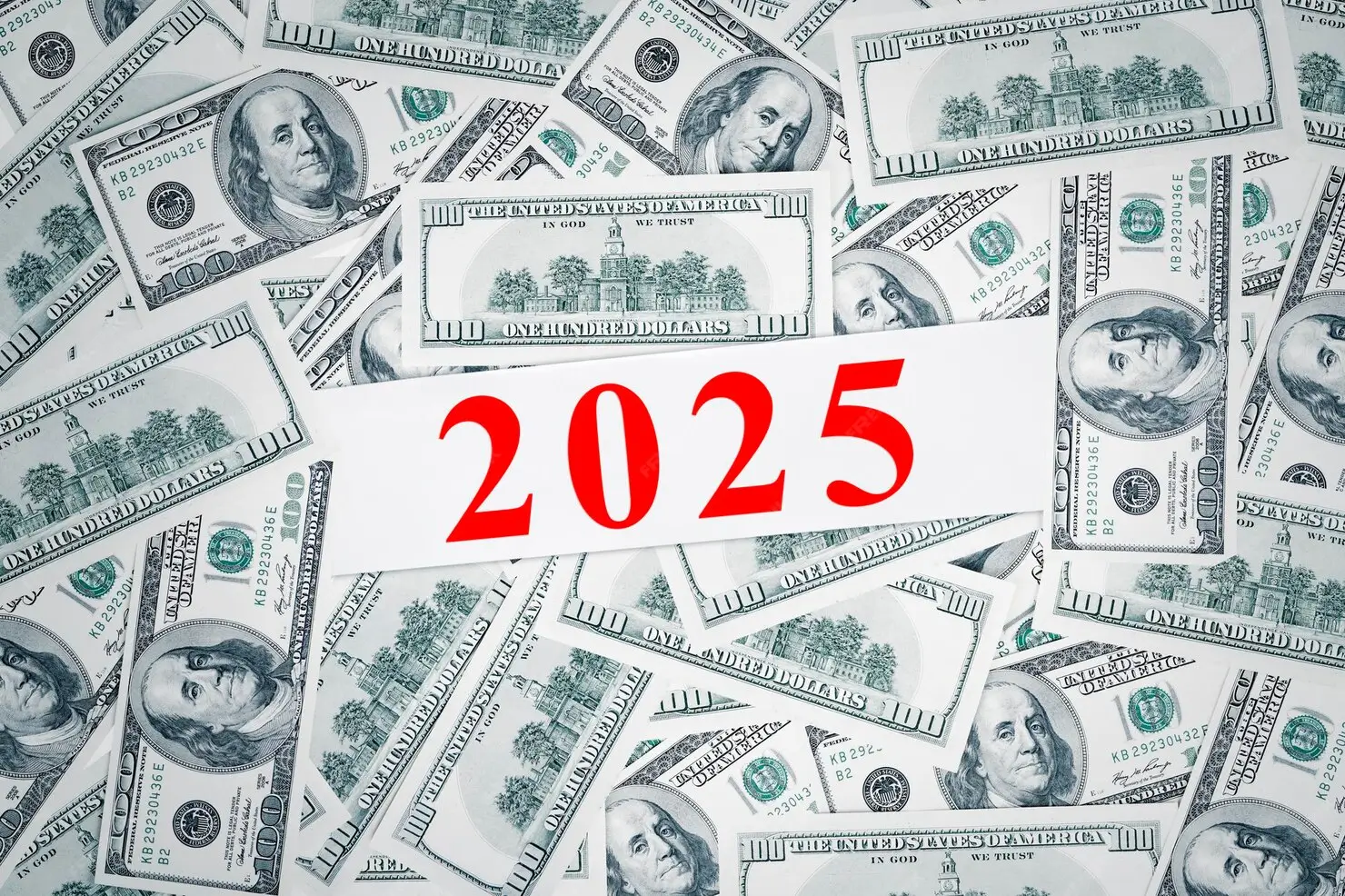
The U.S. dollar has been called many things over the years: the “greenback,” the “world’s currency,” and the “ultimate haven.” In 2025, despite the rise of new economic powers, digital currencies, and Blockchain-based alternatives