A Year of Shifting Economic Winds
The year 2021 was a turning point for the U.S. Dollar (USD), as global markets grappled with the aftermath of the COVID-19 pandemic and the Federal Reserve’s shifting stance on monetary policy. What began as a year of optimism—buoyed by mass vaccinations and reopening economies—quickly evolved into one of concern about inflationary pressures, supply chain disruptions, and the looming specter of higher interest rates.
At the center of the debate was the dollar’s strength: would it benefit from higher yields and the Fed’s tightening path, or would persistent inflation fears erode its long-term stability?
Inflation Takes the Spotlight
By mid-2021, consumer prices in the United States were rising at their fastest pace in over a decade. The Consumer Price Index (CPI) posted annual increases above 5% during the summer, stoking fears that inflation was not “transitory,” as Fed officials initially described. Rising prices for energy, housing, and used cars became a persistent theme, while global shipping bottlenecks and labor shortages magnified cost pressures.
For households, this meant higher grocery bills and surging gasoline costs. For policymakers, it meant pressure to respond—carefully balancing economic recovery with inflation control. The narrative quickly shifted from stimulus and support to vigilance and restraint.
The Fed’s Messaging Shift
At the start of the year, the Federal Reserve pledged patience, signaling that rates would remain near zero until labor markets fully recovered. But by June 2021, the tone had changed. In its now-famous “dot plot,” the Fed projected two potential rate hikes in 2023—sooner than previously expected.
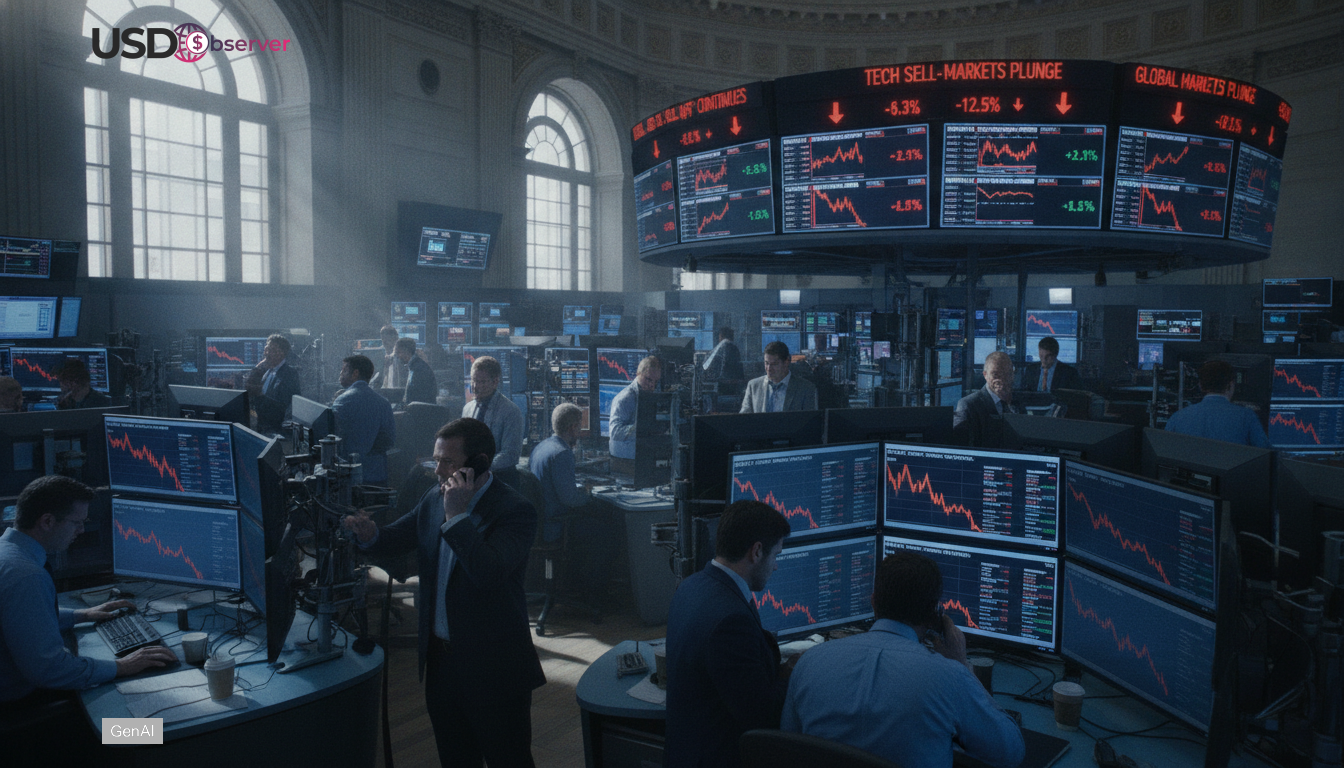
This forward guidance was interpreted as the first official acknowledgment that inflation risks could not be ignored. Markets reacted swiftly: U.S. Treasury yields spiked, the dollar gained strength, and equities wavered under the weight of tightening expectations.
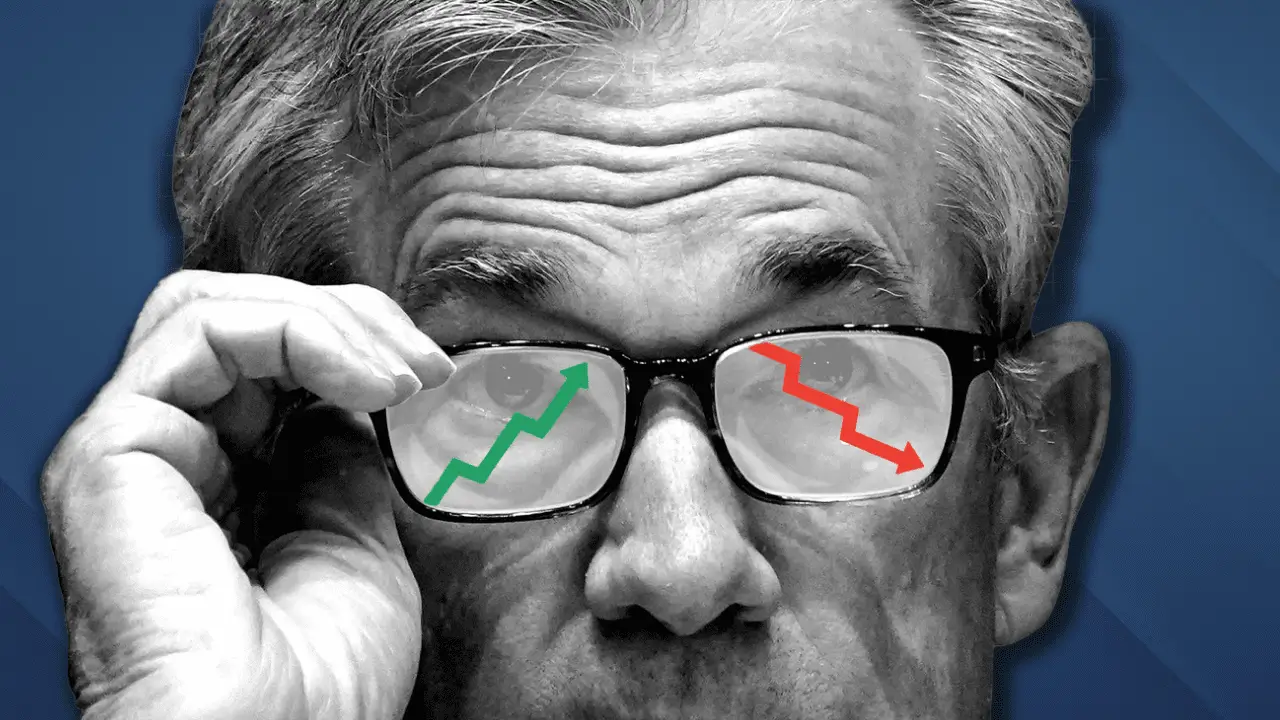
Later in the year, Fed Chair Jerome Powell retired the word “transitory” from his inflation vocabulary, marking a symbolic and practical shift toward preparing for rate hikes in 2022.
Dollar’s Rollercoaster Ride
The USD saw a turbulent journey throughout 2021. In the first quarter, the dollar rallied on optimism about the U.S. economic rebound. However, as inflation data accelerated, the currency’s trajectory became more volatile.
Against major peers like the euro and yen, the dollar strengthened whenever Fed officials hinted at early tightening. Conversely, when markets doubted the Fed’s willingness to act quickly, the dollar lost momentum.
Emerging markets felt the impact most acutely. Rising U.S. yields drew capital away from riskier assets, putting pressure on currencies in Latin America, Asia, and Africa. For countries reliant on dollar-denominated debt, the Fed’s hawkish shift was a financial warning shot.
Global Repercussions
The inflation story was not limited to the United States. Supply chain snarls and soaring commodity prices pushed inflation higher worldwide. Central banks from Brazil to Russia began raising rates aggressively, aiming to shield their currencies and economies from destabilizing capital outflows.
Meanwhile, the European Central Bank and the Bank of Japan stuck with ultra-loose policies, widening the monetary divergence and indirectly supporting the dollar.
For international investors, 2021 was a reminder of the dollar’s dual role: both a safe-haven and a disruptor for global markets.
Looking Ahead from 2021
As 2021 closed, the stage was set for 2022: the Fed was preparing to taper asset purchases and signal rate hikes earlier than anyone had expected a year prior. The inflation debate remained unsettled, but markets understood one thing clearly—the era of ultra-cheap money was nearing its end.
The dollar entered the new year with momentum, supported by expectations of tighter U.S. policy. Yet the questions remained: would inflation prove persistent into 2022, and how aggressively would the Fed respond without choking growth?
Conclusion
In retrospect, 2021 was the year the U.S. dollar regained its central role in the global financial conversation. Inflation ceased to be a distant worry and became a front-page economic story, forcing the Fed to pivot from patience to preparation. For investors, businesses, and households, the dollar’s trajectory in 2021 offered a clear signal: the monetary environment was changing, and the cost of money would no longer remain at rock-bottom levels forever.