Introduction
The U.S. dollar (USD) and global commodities markets share a deep, interlinked relationship that shapes investment flows, trade dynamics, and macroeconomic cycles. Because most commodities — oil, gold, copper, wheat — are priced in dollars, the greenback’s fluctuations often dictate whether commodity prices rise or fall on the world stage.
For traders, analysts, and policymakers, understanding the USD–commodities nexus is critical to forecasting inflation, gauging global growth prospects, and designing profitable strategies.
Why Commodities Move with the Dollar
- Pricing Mechanism
- Commodities are quoted in USD globally, meaning when the dollar strengthens, commodities become more expensive for non-dollar buyers. Demand softens, often pushing prices lower.
- Conversely, when the dollar weakens, commodities appear cheaper in foreign currencies, spurring demand and supporting higher prices.
- Capital Flows
- A strong dollar attracts global capital into U.S. assets, draining liquidity from commodity markets.
- A weak dollar, meanwhile, encourages portfolio diversification into hard assets like gold, silver, or oil futures.
- Inflation Hedge Role
- Investors often use commodities — especially precious metals — as hedges against dollar weakness and inflationary cycles.
USD and Oil: The Petrodollar Connection
- Historical Dominance
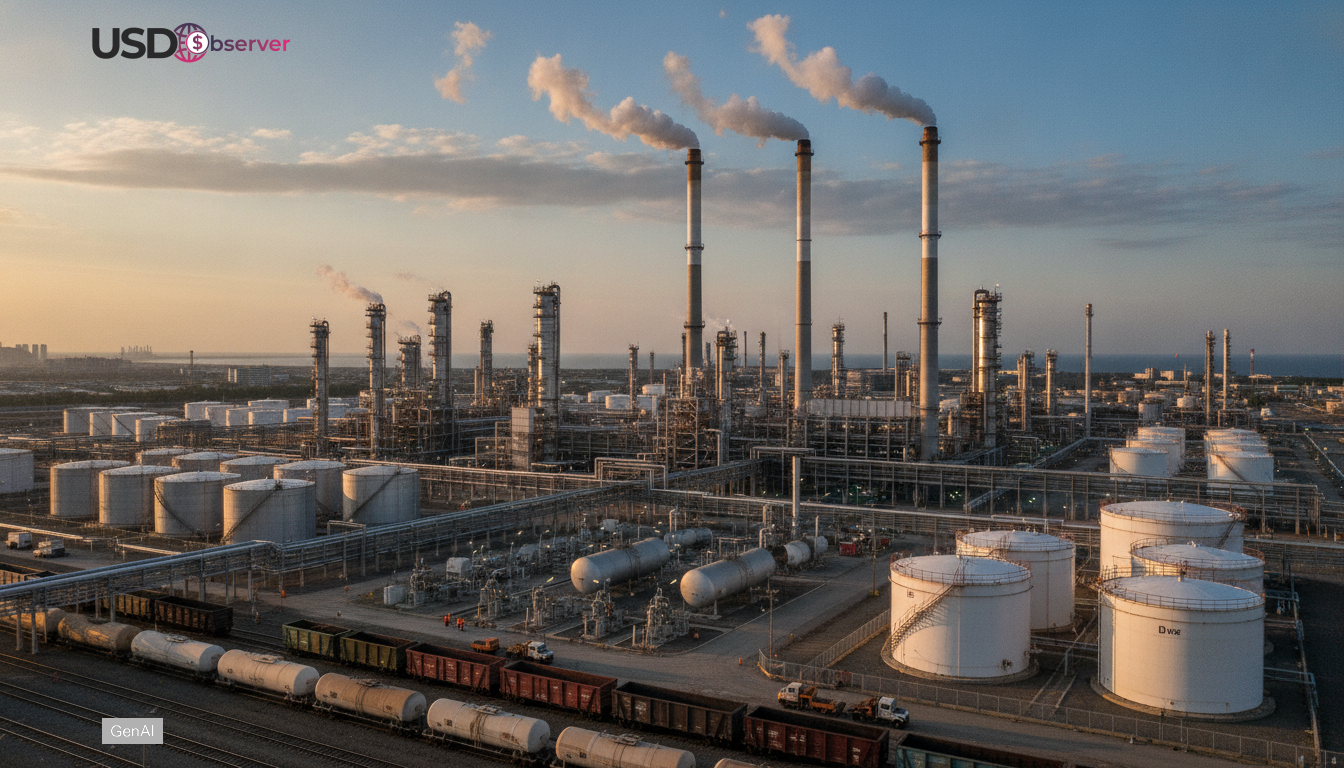
- Since the 1970s, oil has been traded globally in USD (the “petrodollar system”).
- Strong dollar phases typically pressure crude oil, while dollar downswings give energy markets room to rally.
- Recent Dynamics
- In 2022, the dollar surged alongside aggressive Fed rate hikes, keeping oil prices volatile despite supply shocks from Russia–Ukraine war.
- By 2023–2024, as the Fed slowed tightening, oil regained ground amid OPEC+ cuts, underscoring how currency cycles override even supply-driven markets.
- Future Outlook
- Talks of partial “de-dollarization” in oil trade (e.g., China–Saudi yuan settlements) may weaken USD’s grip long term, though liquidity and trust still keep oil–USD dominance intact.
USD and Gold: Safe Haven Dynamics
- Inverse Correlation
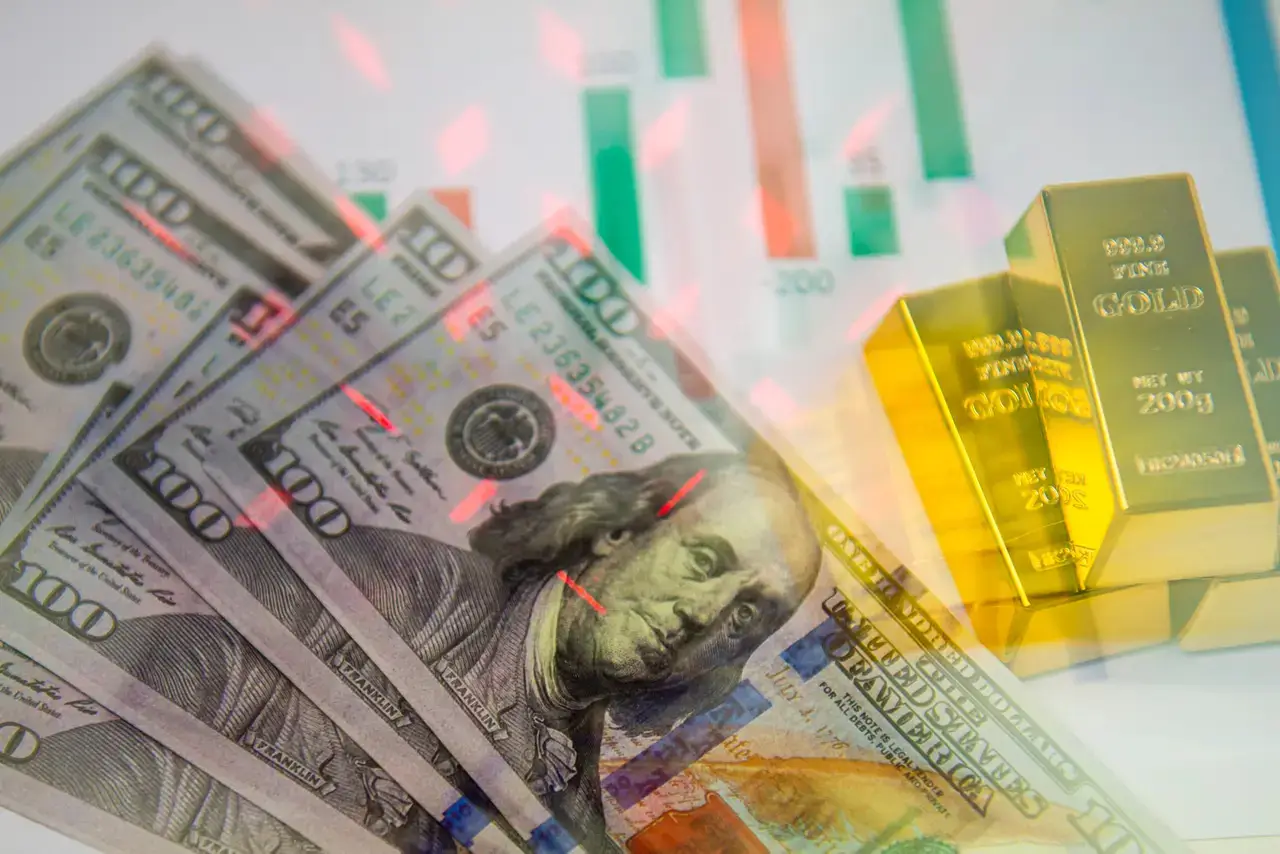
- Gold and USD historically move inversely: dollar strength pushes gold lower, while dollar weakness fuels safe-haven demand.
- In inflationary cycles, gold rallies even against a strong dollar if real yields are negative.
- Example
- During the 2008 crisis, gold surged despite volatility in USD, as investors sought security.
- In 2020, both USD and gold gained temporarily as markets rushed to safe havens during pandemic uncertainty.
- Strategic View
- Traders monitor real interest rates (nominal yields – inflation) alongside the dollar index (DXY) to time gold exposure.
Industrial Metals and Agricultural Commodities
- Copper and USD
- Copper, often called “Dr. Copper” for its economic foresight, is highly sensitive to global demand cycles.
- A weak dollar tends to boost copper by stimulating demand in emerging markets (China, India) where industrial activity surges.
- Wheat, Corn, and Soft Commodities
- Agricultural prices fluctuate with dollar strength since buyers in non-USD economies adjust imports based on affordability.
- For example, dollar weakness in 2020–2021 contributed to higher agricultural prices, exacerbating food inflation worldwide.
Key Macro Drivers Ahead
- Federal Reserve Policy
- Interest rate decisions remain the single most important driver of dollar strength — and by extension, commodity pricing.
- If the Fed signals cuts, expect commodities to rally on weaker dollar expectations.
- Geopolitics
- Wars, sanctions, and trade disputes distort both dollar flows and commodity supply chains.
- Example: sanctions on Russian oil pushed buyers toward alternative markets, but dollar liquidity trends ultimately dictated final pricing power.
- Emerging Market Demand
- Rising EM consumption of metals and energy means dollar cycles increasingly influence not just pricing, but also global inflation pathways.
Trading and Investment Implications
- For Forex Traders
- Watching commodity-linked currencies like AUD, CAD, NOK, and BRL is key.
- These “commodity FX” pairs often move inversely to USD when commodity prices rise.
- For Commodity Investors
- Hedging strategies against dollar swings are essential — especially in volatile phases like Non-Farm Payrolls (NFP) weeks or Fed announcements.
- Portfolio Diversification
- Allocating across commodities (energy, metals, agriculture) helps balance the uneven impact of USD cycles. For example, oil may drop with a strong USD while gold remains resilient as a hedge.
Long-Term Structural Shifts
- De-Dollarization Debate
- BRICS initiatives and bilateral trade deals aim to reduce dollar dominance in commodities.
- While these efforts may chip at USD hegemony, the sheer depth of U.S. markets means commodities will likely remain dollar-denominated for decades.
- Green Transition and New Commodities
- The energy transition (EVs, renewables) shifts focus to lithium, cobalt, and rare earth metals — all dollar-priced, adding new layers to the USD–commodity correlation.
- Secular Inflation Risks
- If dollar weakness becomes prolonged while supply chains tighten, commodities could enter a long-term bullish super-cycle.
Conclusion
The USD–commodities relationship is more than a correlation — it is a cornerstone of the global financial system. A strong dollar usually suppresses commodity prices, while a weaker dollar ignites broad rallies across energy, metals, and agriculture.
For traders, the lesson is clear: follow the dollar. Whether positioning in gold, crude oil, copper, or agricultural futures, dollar strength and Fed policy remain the compass.
Looking ahead, the debate over de-dollarization and global growth divergence may reshape the landscape, but as of today, the dollar remains the axis around which commodities turn.