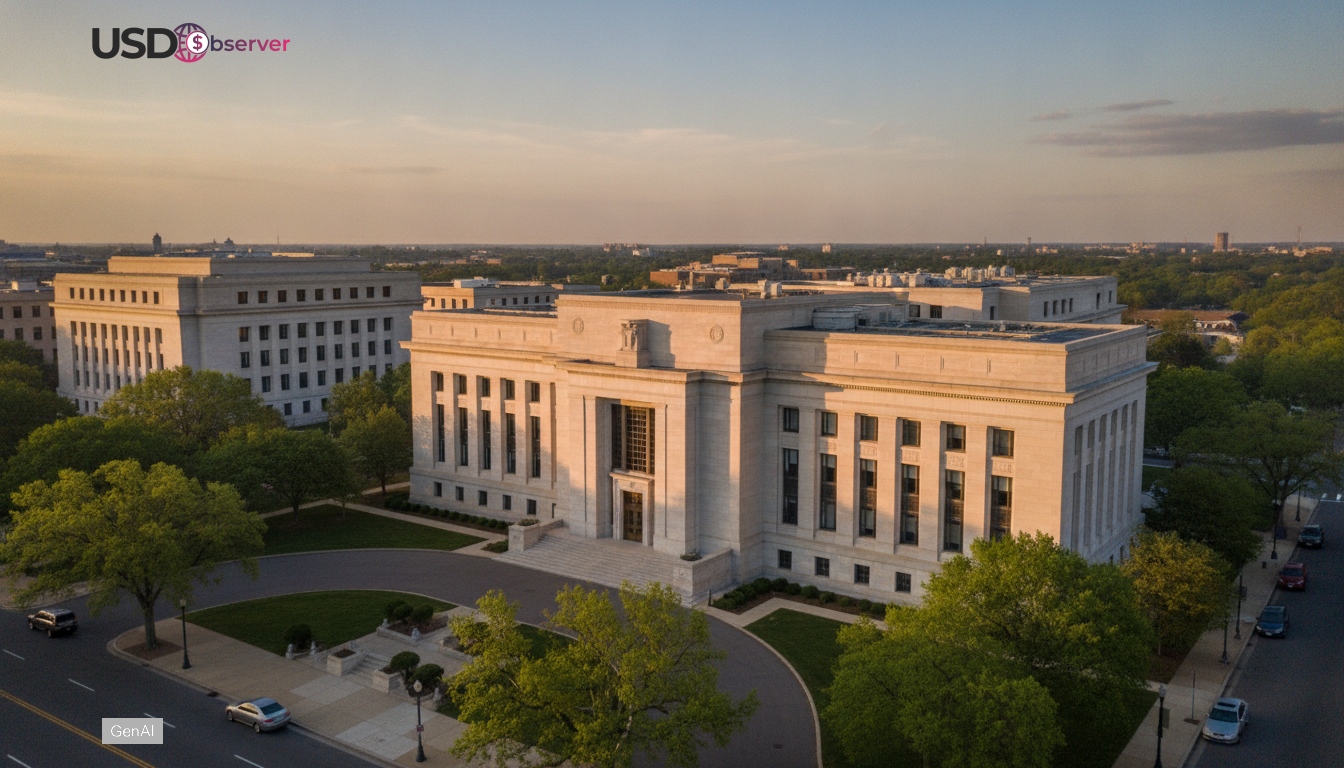
Federal Reserve Decision: What Happened and Why It Matters
The Federal Reserve held interest rates steady again, extending what some outlets described as a fifth consecutive meeting without a change in the target range. The decision was interpreted by many as consistent with a “higher for longer” stance, though officials did not provide a fixed timeline. Policymakers stated that policy will remain data dependent, with inflation and employment releases guiding the path ahead. Following the announcement, interest rate futures and Treasury yields moved as traders adjusted the probability and timing of potential cuts, and equities were mixed as investors evaluated discount rates against earnings resilience. The dollar was relatively steady in major pairs as markets considered how restrictive policy might remain.
Signals for Inflation and Jobs
In the press conference, officials highlighted the challenge of balancing between easing too soon and maintaining restraint for too long, according to widely reported summaries. The primary test, as the central bank has framed it in recent communications, is whether disinflation persists across core categories while the labor market cools without a marked increase in unemployment. For context on the decision and its framing, a summary by BBC provides key insights in US interest rates held for fifth time in a row. Traders focused on how the statement described inflation persistence, wage growth, and demand moderation. Investors also monitored real rates and balance sheet runoff as factors that can matter even when the policy rate is unchanged, particularly during the post-meeting Q&A.
Impact on Banks, Credit, and Consumers
Maintaining restrictive rates can continue to affect rate-sensitive areas like housing turnover, auto financing, and small business borrowing, as economists often note when credit costs stay elevated. Market participants observed how U.S. monetary policy transmits through lending standards, deposit pricing, and loan growth, particularly for regional institutions managing liquidity and net interest margins. Crypto and stablecoin liquidity can also respond to shifts in U.S. rate expectations; recent market positioning is summarized in Stablecoin Market Shift: USDC Overtakes USDT Activity. That bank channel can limit activity before inflation entirely meets target, potentially tightening the trade-offs officials consider. Analysts caution that demand might decelerate faster than prices, particularly in housing and autos.
Spillovers: Dollar, Global Funding, Commodities
A prolonged pause by the U.S. central bank could lead to tighter financial conditions through a stronger dollar and higher yields, raising funding costs for issuers with dollar liabilities and affecting cross-border capital flows, according to market commentary. For the supply-side backdrop, Global oil market: Brent hits $100 on conflict risk provides context on how price spikes can complicate disinflation. Investors reassessed carry trades and emerging-market risk premia as the policy stance remained restrictive and volatility stayed sensitive to each inflation print. Commodity pricing can react to the combination of dollar movements and growth signals; for example, energy traders track whether demand indicators soften alongside U.S. policy. Central banks abroad may have less flexibility to cut rates if currency stability becomes a priority.
Outlook: Rate Path, Timelines, and Risks
Forward curves suggest investors still anticipate eventual easing, but the path depends on upcoming inflation prints and labor market data. Fed officials have communicated that sustained, not episodic, progress on inflation is needed before reducing policy restraint. Premature cuts might risk renewed price pressures. Energy costs remain a significant factor for household budgets and inflation expectations; Crude Oil Prices Near $100 Add Pressure to Power Bills describes how fuel prices can impact consumers. Markets will continue to test the reaction function as each data release shifts expectations for the terminal rate and the timing of the first cut. Until inflation data consistently show cooling, the Federal Reserve’s messaging is expected to keep repricing risk active.