Global Economy
The World Economy Is Multipolar, Dollar Flows Are Not
The global economy is often described as multipolar, with growth, production, and political influence spread across multiple regions. Asia, Europe, the Middle East, and emerging


The global economy is often described as multipolar, with growth, production, and political influence spread across multiple regions. Asia, Europe, the Middle East, and emerging
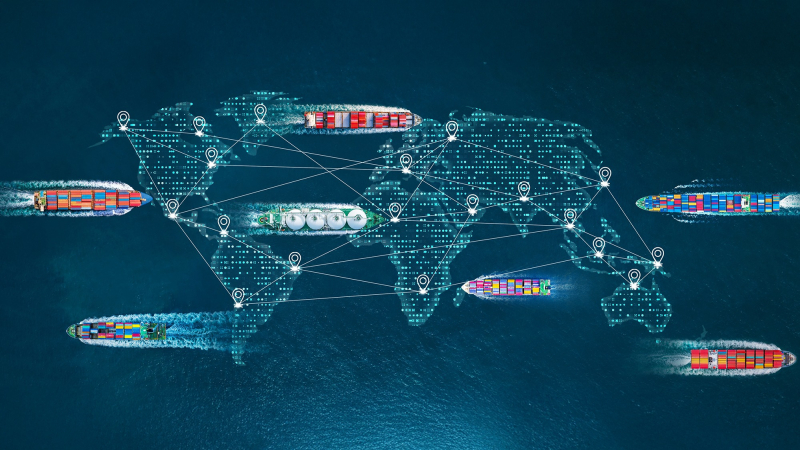
Differences in economic growth across regions are widening, but their impact is not unfolding where many once expected. Instead of dramatically reshaping global trade relationships,
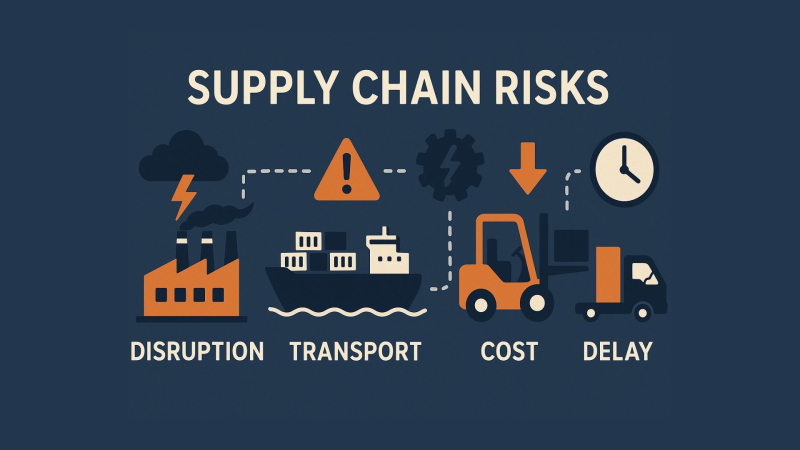
Global supply chains have undergone significant restructuring as companies respond to geopolitical tension, cost pressures, and lessons learned from recent disruptions. Firms are diversifying suppliers,
The unwinding of global stimulus was widely expected to reduce reliance on the US dollar. As emergency spending faded and balance sheets normalized, many assumed
Global capital flows are losing momentum as higher financing costs, political uncertainty, and slower growth reduce cross border investment appetite. Portfolio flows are more selective,
The global economy is entering a phase where the US dollar is no longer expected to revert to pre tightening norms. Instead, governments, corporations, and
Global trade activity is settling into a more stable pattern after years of disruption driven by supply chain shocks, inflation pressures, and aggressive monetary tightening.
The global economy is moving through a phase of slower growth marked by softer trade volumes, cooling labor markets, and cautious investment behavior. Across regions,
Market pricing across equities, bonds, and currencies suggests a shift in what investors fear most. Instead of preparing for a sharp economic contraction, markets appear
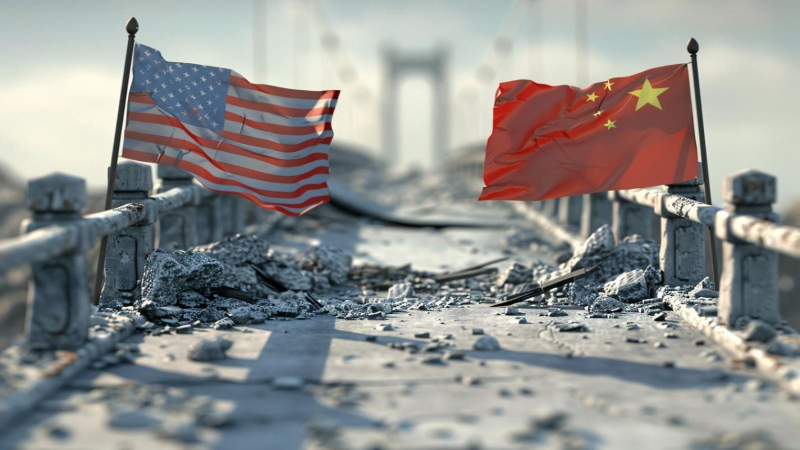
Economic tensions between China and the United States are resurfacing, but not where most observers initially look. Instead of appearing first in headline growth numbers