Crypto USD price, liquidity, and conversion basics
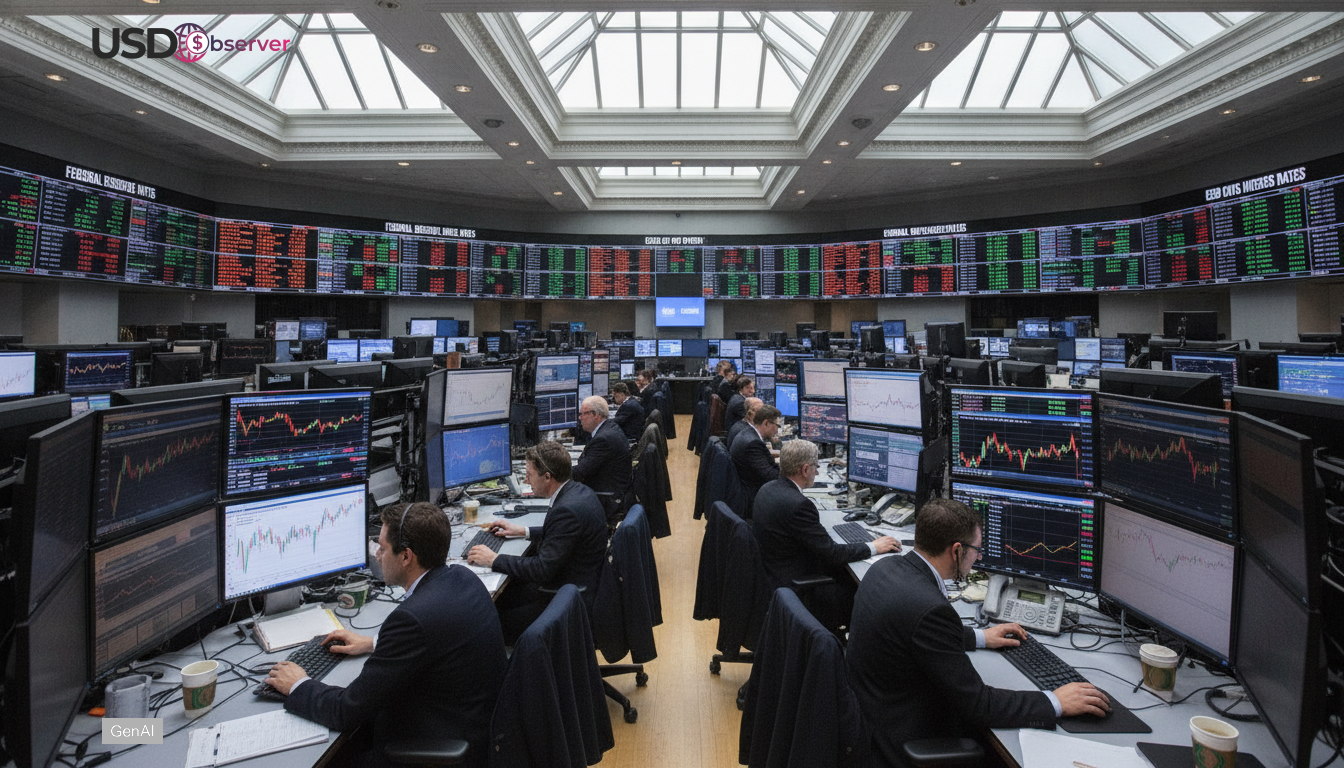
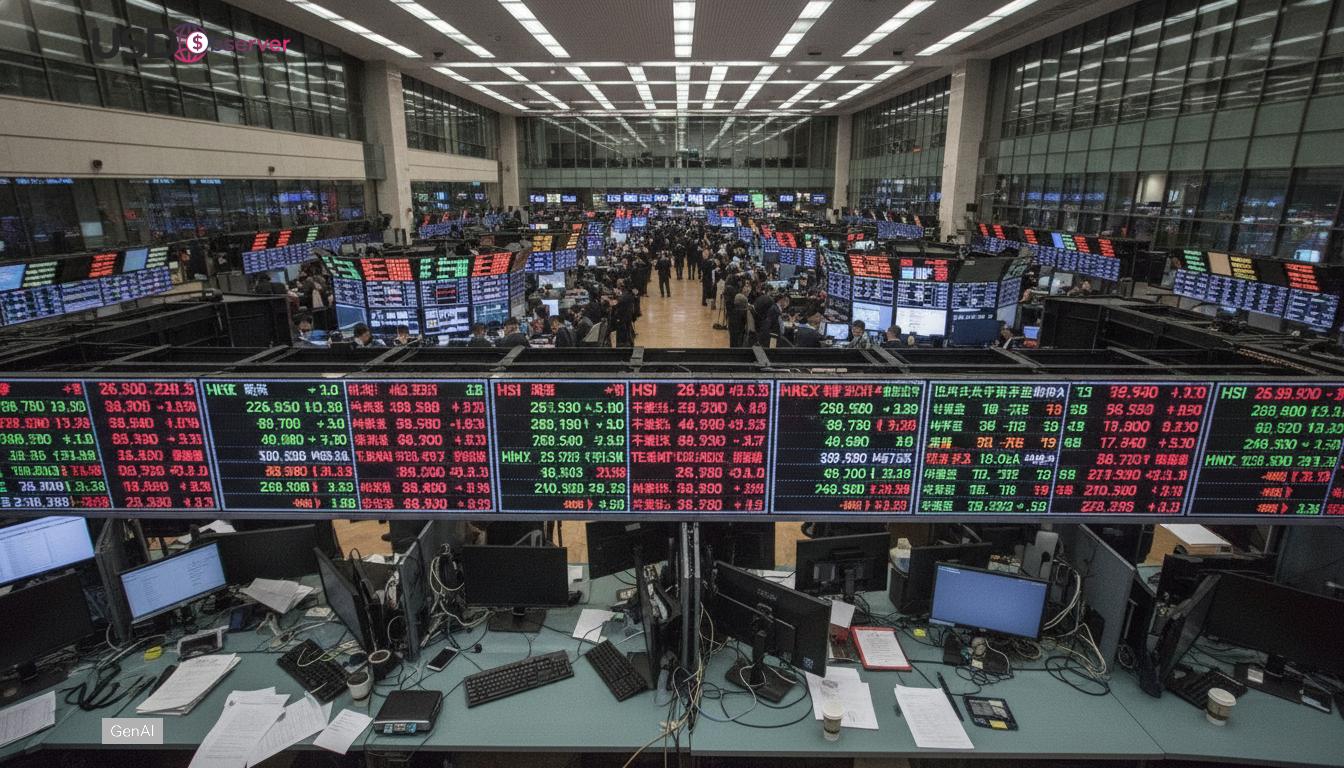
Crypto-to-USD pricing sits at the center of how traders and mining firms gauge liquidity and conversion costs in real time. In August 2026, some miners increasingly benchmark operating decisions to Crypto USD dollar spreads and settlement speed because revenue and equipment bills are often denominated in USD. When USD liquidity tightens on major venues, slippage can rise and treasury teams may delay conversions or shift to stablecoin rails. This matters for miners planning power and capex, since even a modest move in spot pricing can change daily breakeven at scale. The result is a more explicit focus on hedging, cash management, and predictable USD-linked cash flows.
How Crypto USD pricing impacts Bitcoin mining margins
According to available reports, mining profitability is highly sensitive to BTC price, network difficulty, fees, and energy, suggesting that changes in Crypto USD benchmarks could quickly alter which sites remain online. When margins compress, operators look for alternative offtake for their power agreements and buildings, especially where grid interconnection is already secured. Product development is also shifting: CoinDesk noted on 2026/08/27 that AI agents are being integrated into crypto lending workflows in MoonPay’s newest integration lets AI agents handle crypto lending on Solana. In that context, leasing capacity to data center customers is being pitched as a hedge that can stabilize cash flow while miners retain exposure to crypto upside. Those signals reinforce how USD-linked risk management is becoming operational, not just trading.
Crypto USD settlement rails: stablecoins and treasury flow
As miners and exchanges prioritize faster settlement, stablecoins increasingly act as the bridge for Crypto USD conversions, especially for cross border vendor payments and colocation deposits. Deals for hosting and inference are often billed in USD terms, so treasury teams watch conversion fees, redemption windows, and banking cutoffs that affect dollar cash availability. For a broader view of competition in this area, see Crypto market outlook: USDT leads as rivals close in. This is where onchain rails can reduce time to funds from days to minutes, depending on counterparties and compliance checks. Policy shocks can also affect flows, including sanction related restrictions that reshape payment routes described in US-Iran Economic Sanctions Reshape Trade and Payments. These rails increasingly define real-world dollar liquidity for crypto firms.
Converting mining sites to AI: costs, timing, and risk
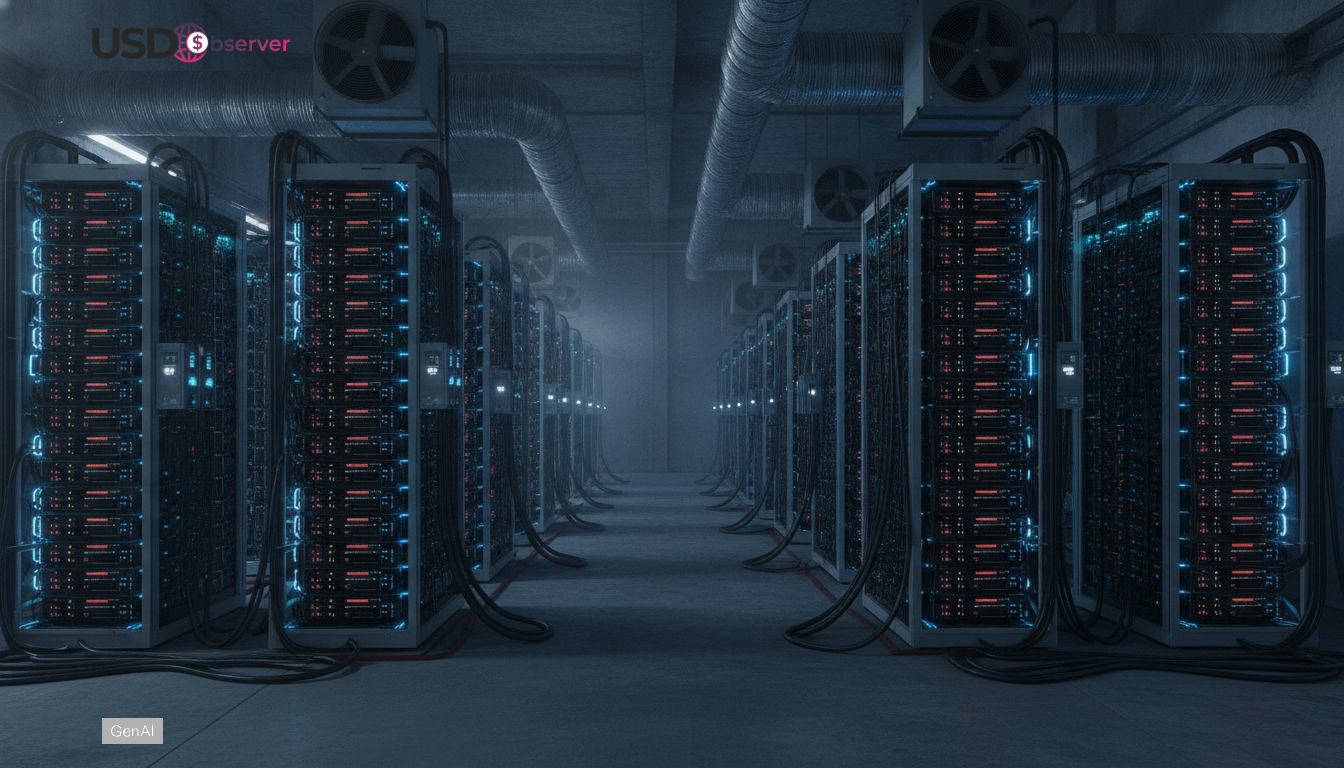
Converting mining sites into AI-ready facilities is not a drop in replacement, because GPU clusters require different redundancy, networking, and cooling engineering. Operators face supply constraints for transformers, switchgear, and high capacity cooling, and those bottlenecks can delay revenue even when customer demand exists. CoinDesk highlighted how regulatory pressure can build through litigation in Connecticut’s new lawsuit against Kalshi piles on to prediction market legal fight. Retrofit timelines are often described as taking months to more than a year, depending on utility upgrades and equipment lead times, which makes interim treasury planning for Crypto USD cash needs critical. Policy and legal risk also matters, since ancillary crypto lines of business can attract scrutiny that complicates financing and partnerships. Compliance cost becomes part of the underwriting for any new AI deployment.
Outlook: using Crypto USD signals to time pivots and hedges
Over the next 12 months, the competitive edge will likely come from firms that blend data center operations with disciplined Crypto USD risk controls. If they can lock in multi year compute contracts while keeping balance sheets liquid, they can fund buildouts without repeatedly tapping equity markets. Macro volatility can also change conversion behavior and liquidity conditions, especially during periods highlighted by US-Iran Economic Sanctions: Global Market Shockwaves. Market participants are already watching how crypto to usd conversions affect runway planning when equipment is purchased in dollars but revenue is earned across multiple tokens and stablecoins. At the same time, miners that remain focused on Bitcoin are being pushed to prove they can compete on energy efficiency and uptime. In practice, clearer dollar pricing signals help decide when to hedge, when to convert, and when to invest.