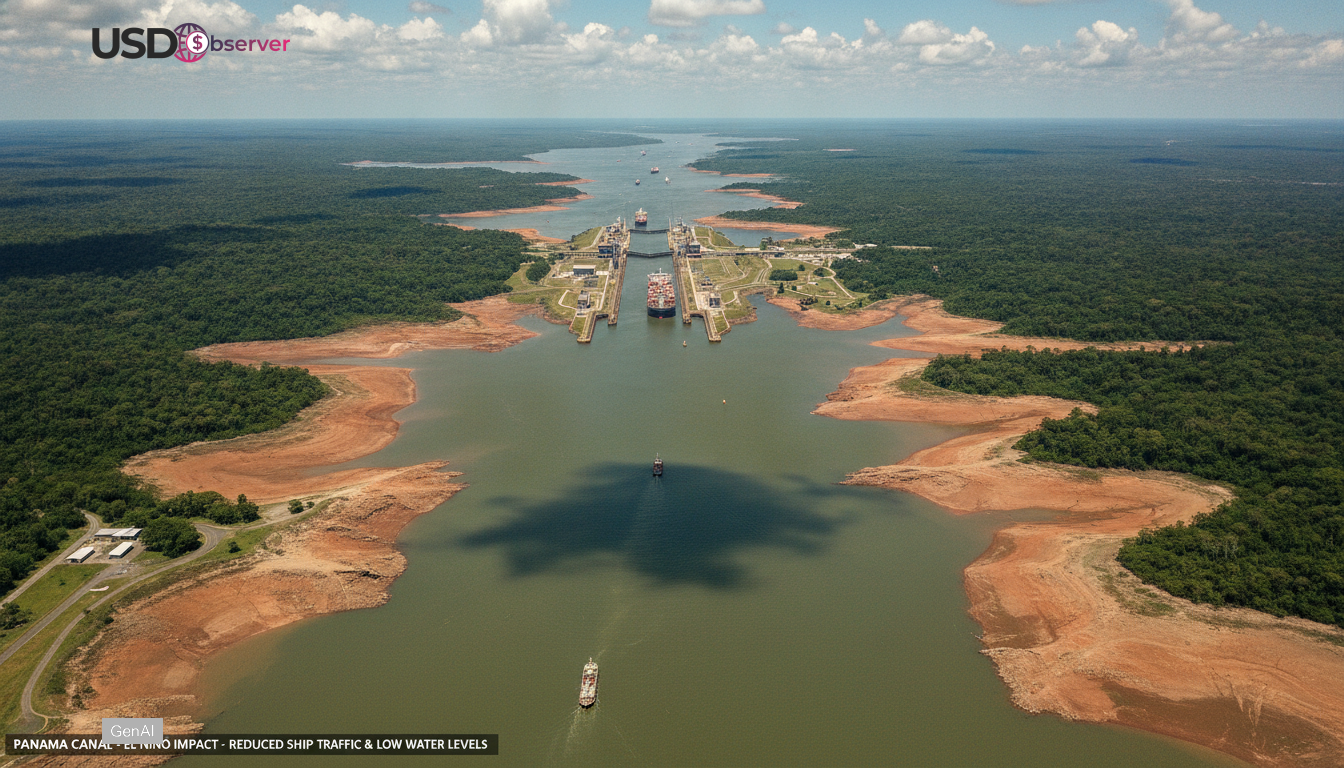
Panama Canal shipping transits cut by drought limits
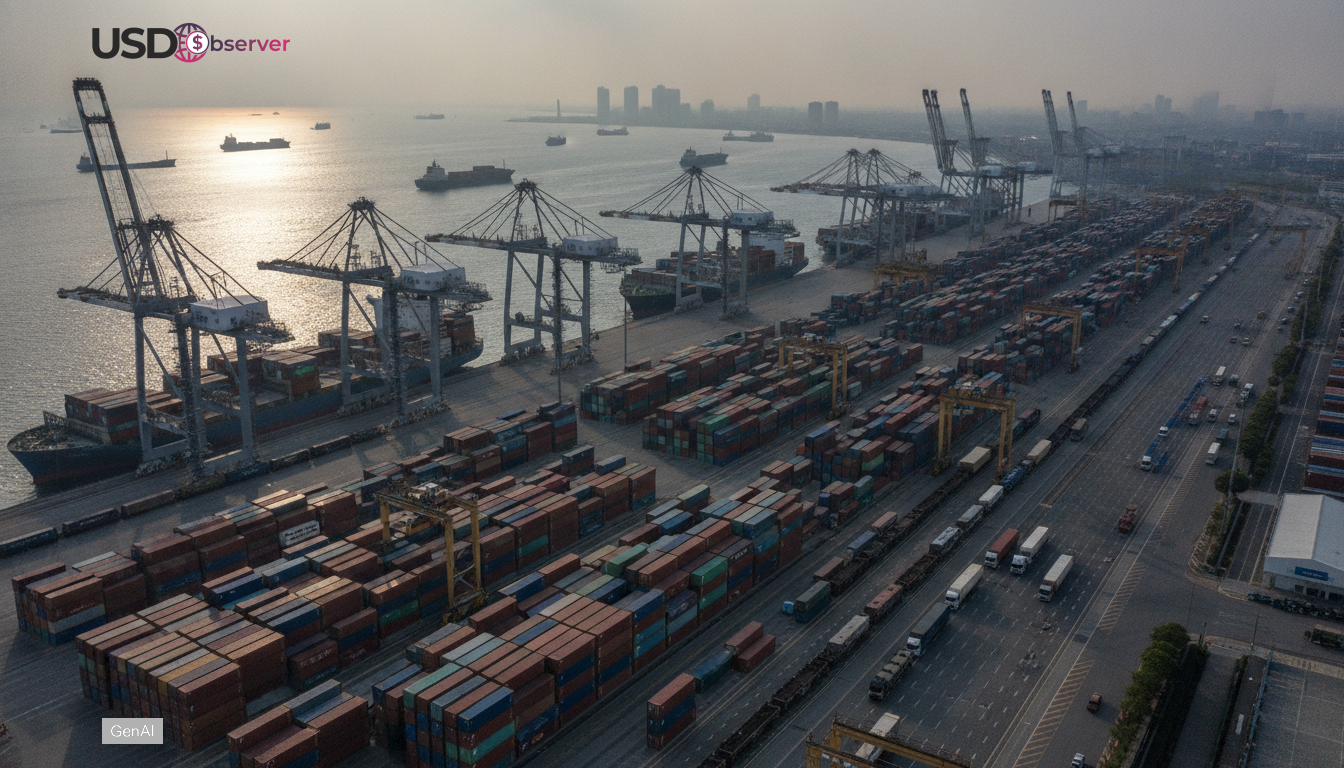
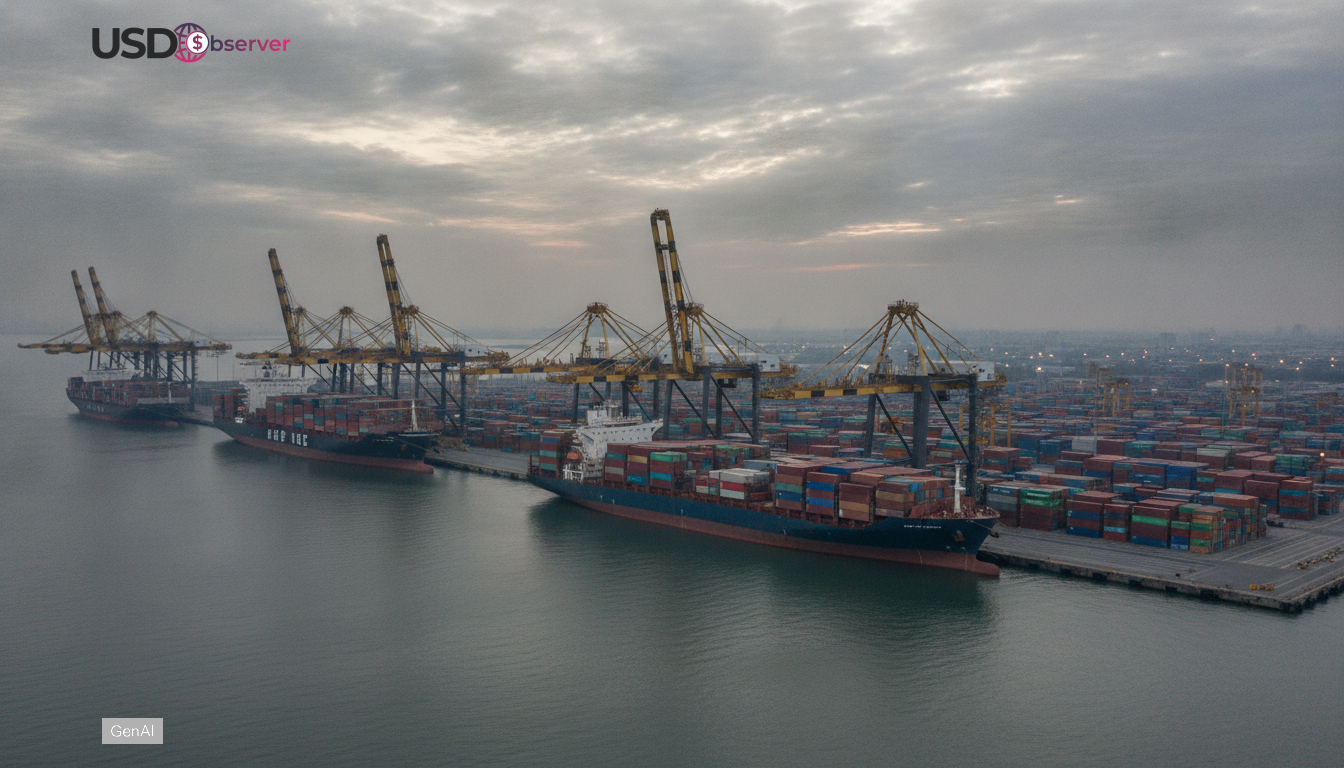
According to operational updates from the Panama Canal Authority in Panama City, operations are tightening. The Authority is limiting daily ship transits to conserve freshwater used in lockages. This is, reportedly, in response to reduced rainfall linked to El Nino, which has lowered the lakes that feed the locks. These conditions are prompting draft limits and tighter reservation rules. For carriers, the immediate effect can include longer booking lead times, higher premiums for scarce slots, and more frequent schedule changes, as indicated by industry reports and shipper advisories. Some operators are reported to be prioritizing higher value cargo to protect margins. Others may shift sailing dates to avoid paying auction prices when available. These restrictions can reduce flexibility during traffic peaks, possibly increasing the risk of stop-start constraints through the season, according to demand and rainfall.
How El Nino lowers lake levels that feed the locks
The canal depends on rain fed Gatun Lake and Alhajuela Lake to supply freshwater for each lock transit, as outlined in Panama Canal Authority background materials. Similar weather driven disruption is visible in other transport corridors, as described by the BBC in Stifling heat and broken toilets on a TUI river cruise. The Panama Canal Authority has repeatedly linked recent operating changes to the ongoing dry pattern associated with El Nino in its communications on water management. In Panama, the key constraint is that freshwater conservation directly caps throughput. This means capacity cannot be restored quickly simply by adding labor or extending hours, according to how the lock system operates. For Panama Canal shipping, this factor can create a structural ceiling until rainfall improves.
Costs, rerouting, and pricing impacts on Panama Canal shipping
When transit slots tighten, charter rates, surcharges, and other fees can rise as cargo owners compete for reliable passage. This is particularly true on Asia to US East Coast routings that often use the canal to save time versus longer alternatives, according to market commentary from shipping brokers and logistics providers. The reservation system and auction mechanisms can shift costs quickly when capacity is reduced. Buyers may face higher all in logistics bills even if freight rates elsewhere soften, depending on contract terms and timing. A parallel lesson from financial infrastructure is how bottlenecks ripple through pricing, as explored in Tokenized Deposits Hit Scalability Limits in Banking, and retailers also monitor effects on inventory financing when delays lengthen cash conversion cycles, similar to dynamics discussed in US Customs Tariff Refunds Deliver $1bn Retailer Boost.
What past drought responses indicate for capacity and draft
The canal has faced water stress before. Drought playbooks typically combine transit caps, draft limits, and differentiated booking tools designed to ration scarce capacity, according to Panama Canal Authority statements and prior advisories. Because each lockage uses large volumes of freshwater, conservation measures can reduce the number of passages even when demand is strong, reflecting the system’s water balance constraints. Draft restrictions can also force ships to sail with less cargo, changing voyage economics and sometimes increasing per unit shipping costs, as shipping analysts commonly note in briefing notes during restriction periods. Maritime consultancies often compare this to port congestion. However, drought driven limits are different as they are set by lake inflows rather than yard space or labor availability. That distinction matters for forecasting lead times and for contract clauses tied to delivery windows and penalties.
Outlook: planning scenarios for Panama Canal shipping reliability
Forward planning centers on whether rainfall rebounds enough to relax limits before peak seasonal shipping windows, while the Panama Canal Authority continues recalibrating measures based on hydrological monitoring, as the Authority has indicated. Longer term options include water saving procedures, improved forecasting, and demand management through pricing and reservations, all within the Authority’s remit, according to its published sustainability and operations priorities. Freight buyers are incorporating route optionality into contracts so cargo can shift between the canal, US West Coast rail, or longer ocean loops when constraints tighten, according to logistics providers’ customer guidance. In cost models, shippers and insurers may treat transit uncertainty as a premium risk that can influence landed prices and inflation sensitive categories tracked in Global inflation trends: 2026 outlook and policy risks, and for Panama Canal shipping the commercial shift is that reliability is increasingly being priced rather than assumed.