Tech sell-offs drive risk-off moves and USD swings
Tech sell-offs can ripple across equities, rates, and FX, and some reports suggest that the USD tends to firm when risk appetite fades. The latest rotation away from richly valued growth names appears to have increased day-to-day volatility in major indexes and may be tightening financial conditions even where local data have not changed. In 2024, market participants frequently point to thinner liquidity around key macro events as a factor that can amplify moves when positioning is crowded. Currency desks often treat fast equity drawdowns as a proxy for global growth confidence, while some corporate treasurers reportedly step up hedging in major pairs. The near-term result can be wider intraday ranges across regional markets and more demand for cash-like assets as investors reassess downside risk.
How equity stress spreads across global markets
Repositioning in benchmark indices can sometimes turn a concentrated technology move into broader pressure across credit and cyclical sectors during tech sell-offs. For a related risk-sentiment signal in high beta markets, see Crypto Market Cap Drops as Bitcoin Tests $60K. When volatility rises, margin requirements and risk limits can tighten, which may force mechanically driven de-risking across portfolios. That dynamic can reinforce selling and extend the shock to global assets that rely on stable funding. Cross-asset correlations may rise quickly during these episodes, reducing diversification benefits and increasing the premium placed on liquidity. Investors also watch whether declines remain orderly or become disorderly, since that distinction can influence hedging demand.
Middle East tensions, oil prices, and inflation expectations
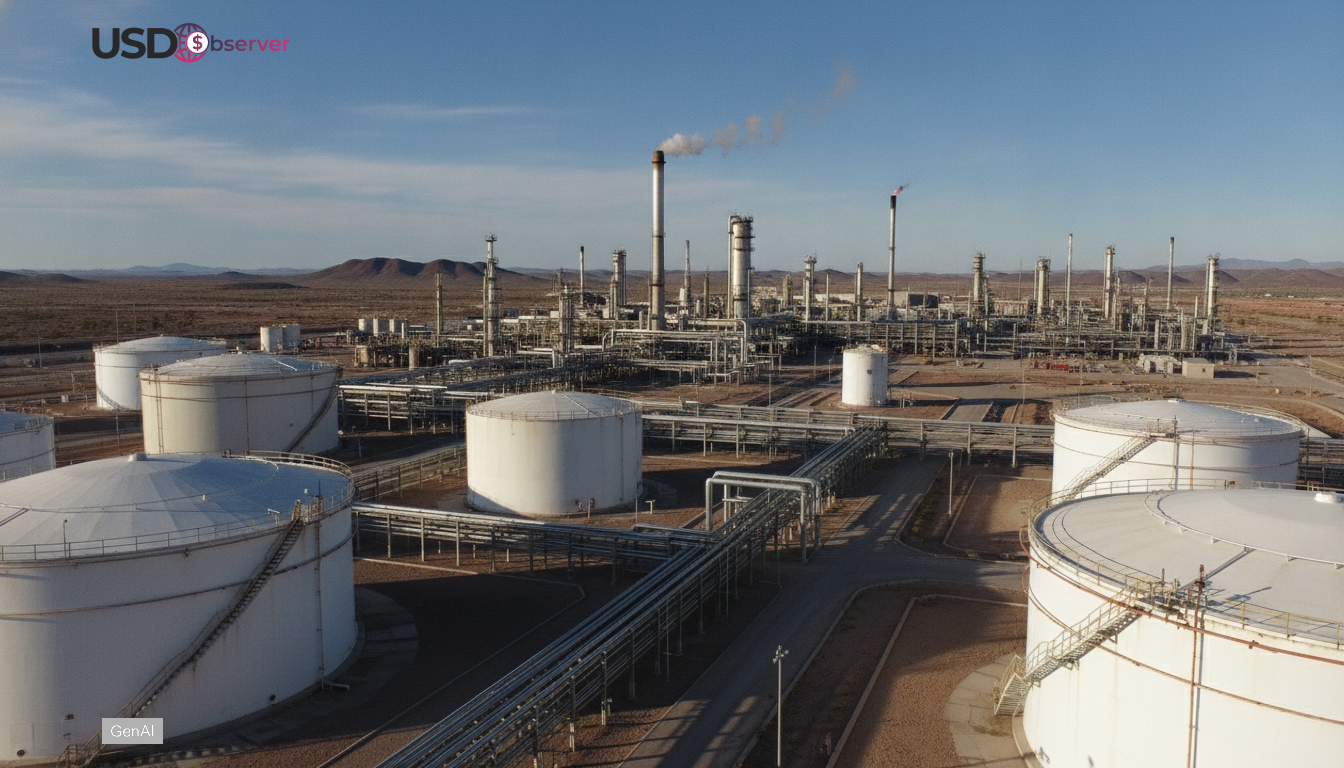
Energy traders remain focused on Middle East tensions because even limited disruptions can lift risk premia, as shipping, freight, and insurance costs reprice. For another perspective on capital and sentiment pressures, the BBC reported fundraising competition in AI giants race to raise funds as ChatGPT-owner plans debut. If crude prices firm, markets may reassess inflation expectations and the projected path of interest rates, which can feed back into stock market volatility. Higher oil prices can also squeeze corporate margins and consumer demand, which can reinforce defensive positioning that often supports the USD. Some analysts also suggest that when volatility jumps, funding and collateral can shift toward perceived safety; if that happens, it can tighten global dollar liquidity and affect risk assets simultaneously.
USD reactions to volatility and tech sell-offs
In recent risk-off sessions, FX pricing has often seemed more sensitive to real yields and the speed of equity moves than to any single economic release. This pattern is frequently cited by market participants during tech sell-offs, even as some cross-currency pairs show idiosyncratic drivers such as local rate expectations. When equities slide quickly, dealers typically report stronger demand for liquidity and higher quality collateral, which can support the dollar against a basket. Strategists also point to hedging flows from global funds and exporters, not just directional macro bets, as a potential source of short-term USD strength. For context on how positioning can amplify sharp moves, see AI stock market bubble: trading risks and volatility. A stronger dollar can also tighten offshore funding conditions, though the degree and timing can vary by market.
Investor positioning and near-term global economy outlook
Portfolio managers have been trimming concentration risk and shifting toward steadier cash flows and stronger balance sheets as the global economy absorbs multiple shocks, according to common market commentary. Some funds are also reducing exposure to companies dependent on external financing, because higher discount rates can compress valuations quickly during drawdowns. In the US, high-profile listings and private-market narratives still shape sentiment, and SpaceX Stock Market Debut Buzz After $1.75tn Target shows how future-growth stories can coexist with public-market caution. Near-term direction likely hinges on whether equity volatility eases and whether energy markets stabilize, since both can influence financial conditions, earnings expectations, and cross-asset correlations. If risk appetite returns, USD pressure could fade, but it would likely require calmer rates and improved liquidity.