Global inflation has eased significantly from the highs seen during the post pandemic recovery phase, yet the pace of disinflation has slowed across many major economies. After months of steady improvement, recent data shows that inflation is proving more persistent than central banks expected. The slowdown is most noticeable in advanced economies where services and energy related components continue to exert upward pressure on prices. This pattern has raised questions about whether the next phase of inflation normalization will be more gradual than previously assumed.
The shifting inflation landscape is prompting investors and policymakers to reassess their expectations for interest rate cuts. While price pressures have weakened in manufacturing and goods related sectors, structural elements within labor markets and global energy supply dynamics remain influential. These factors are shaping a more complex disinflation path that may prolong tighter monetary conditions across several regions through 2026.
Services inflation is proving more resilient than expected
The most important factor slowing global disinflation is persistent services inflation. Unlike goods prices, which often react quickly to changes in supply and demand, services prices tend to adjust more slowly. They are heavily influenced by labor costs, staffing shortages and wage negotiations. In many major economies wage growth has remained firm, driven by tight labor markets and ongoing demand for specialized skills.
Higher labor costs translate into rising prices for services ranging from healthcare to hospitality. These categories occupy a significant share of consumer spending baskets, which means that even modest increases can prevent headline inflation from falling at a faster pace. In several regions services inflation has become the largest contributor to overall price pressure. As long as wages grow at a pace above productivity gains, services related inflation is likely to remain sticky.
Central banks are watching this trend closely because persistent services inflation reduces their ability to ease monetary policy quickly. If wage driven costs do not moderate, broader inflation targets become harder to achieve. This adds an extra layer of caution to policy decisions in the year ahead.
Energy market volatility continues to influence inflation rates
Energy prices have stabilized from earlier peaks but remain volatile due to supply constraints and geopolitical uncertainties. Changes in energy markets affect both households and businesses, making them a key driver of inflation. When energy prices rise, transportation and production costs increase. This leads to broader price adjustments across the economy.
Several economies still rely heavily on imported energy, which means their inflation levels are sensitive to currency fluctuations and international price changes. Even when headline inflation declines, energy related components can slow the pace of improvement. As global demand patterns shift and supply conditions evolve, energy markets may continue to pose challenges for sustained disinflation.
Goods disinflation is slowing as supply chains normalize
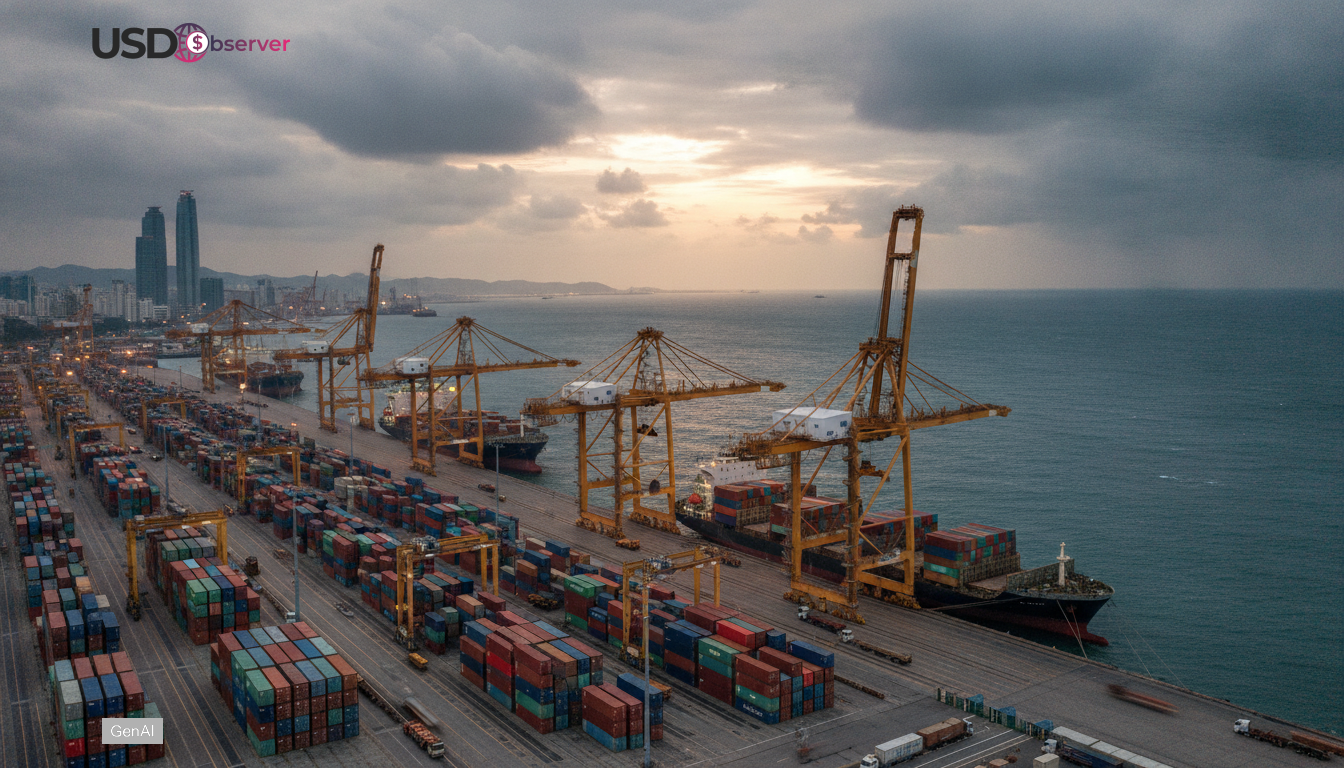
While goods inflation fell sharply as supply chains recovered, the pace of improvement has begun to slow. Many of the earlier gains came from the resolution of shipping delays, increased manufacturing output and declining input costs. Now that these effects have largely been realized, goods prices are stabilizing rather than continuing to fall.
Consumer demand for goods has also rebounded in some regions, preventing further downward pressure on prices. As a result goods disinflation is not contributing as strongly to the overall decline in inflation. The transition from rapid normalization to steadier price levels highlights the limits of supply side improvements in driving continued disinflation.
Central banks face a more complicated policy environment
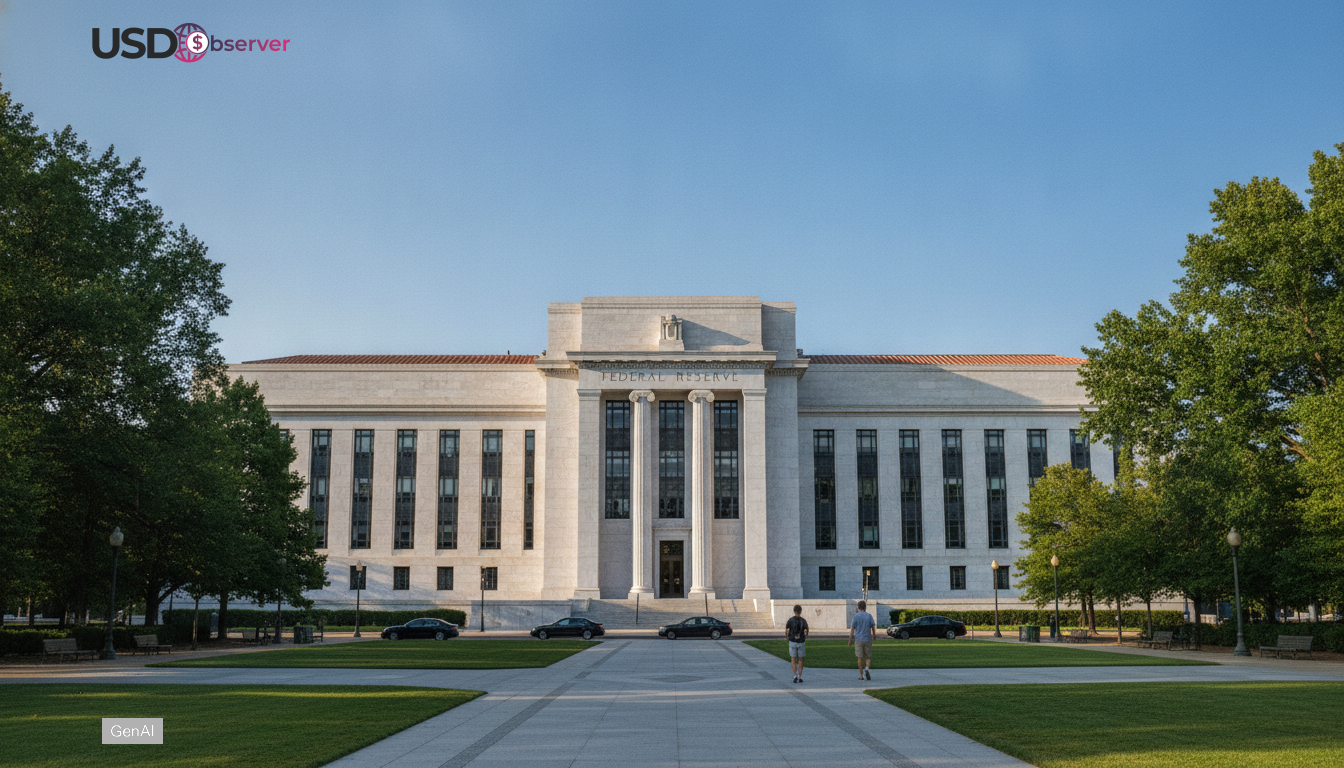
The slowdown in disinflation complicates monetary policy decisions. Central banks must balance the need to control inflation with the risk of slowing economic growth. Persistent services inflation and energy volatility reduce the room for immediate policy easing, even as some regions show signs of weakening activity.
Markets have adjusted expectations accordingly. Investors now anticipate a more gradual path toward lower interest rates. The timing and scale of future policy shifts will depend heavily on upcoming inflation data and wage trends. A more uneven disinflation path increases uncertainty and may lead to more cautious behavior from both businesses and consumers.
Conclusion
Global disinflation trends are slowing due to persistent services inflation, volatile energy markets and the stabilization of goods prices after earlier improvements. These factors make it harder for central banks to shift quickly toward easier monetary policy. As economies navigate this new phase, the path to inflation normalization is likely to be more gradual and dependent on structural adjustments in labor markets and global supply conditions.