US Dollar’s Current Influence in Forex
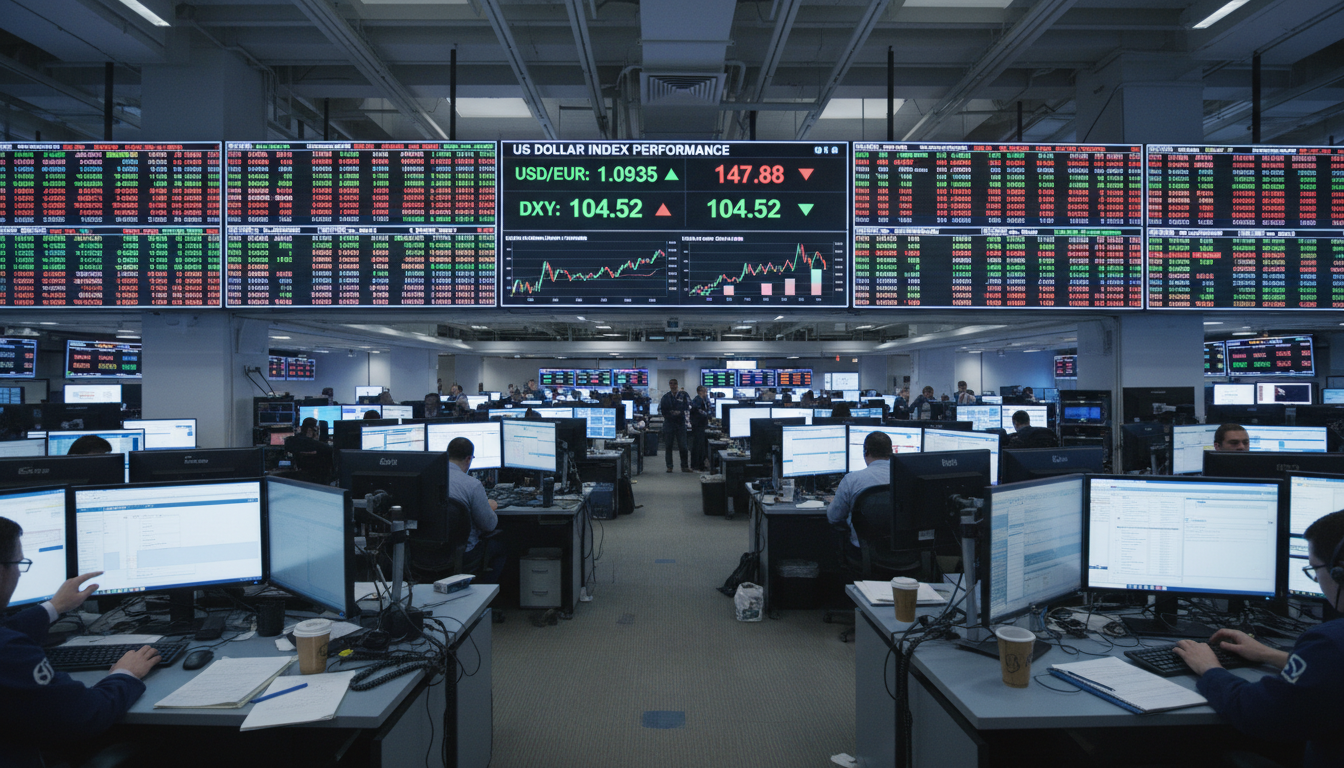
Trading desks opened Today to a familiar reality: the greenback remains the central reference point for pricing and hedging across regions. The latest triennial survey from the Bank for International Settlements shows the US dollar was on one side of 88% of over the counter foreign exchange trades in 2022, a benchmark that shapes dealing behavior in Asia, Europe, and the Americas. In mid session commentary, dealers described forex markets as increasingly sensitive to US rate expectations and Treasury liquidity as spot, forwards, and swaps adjust. Live pricing across major pairs kept reacting to US data surprises, and each Update from high frequency platforms tightened spreads where dollar liquidity is deepest. Regional currencies moved, but the dollar set the tempo.
Factors Behind the Dollar’s Dominance
One reason currency dominance persists is that risk free collateral and funding still run through US markets, a point the BIS linked to the scale of dollar denominated assets and payment rails. Today, traders watching forex markets hours see the dollar remain liquid from the Asia open through the New York close, with London turnover acting as the bridge. Liquidity conditions also follow US policy signals, and the Federal Reserve’s communications are treated as tradable inputs by banks and real money accounts. Live cross asset moves in credit and commodities frequently map back to the dollar leg, reinforcing network effects, and for context on how dollar liquidity interacts with crypto dollar substitutes, see Top 3 Stablecoin Signals for a Market Recovery. Another Update often comes from Treasury auction dynamics, which can ripple into swap pricing.
Implications for Global Forex Players
For corporates and asset managers, dollar centered dealing affects execution costs and hedging choices, because many cross currency routes are cheapest when intermediated through USD. Today, banks running Live risk books typically quote tighter spreads in USD crosses, then widen when clients insist on direct non dollar pairs, a cost that becomes visible in transaction analytics. The BIS noted in its survey that swaps and forwards account for a large share of overall turnover, which elevates the importance of dollar funding markets when rollover dates hit, and regional episodes can illustrate this mechanism, including Japan Weighs Yen Action as Dollar Surges Globally. A practical Update for emerging market treasurers is that refinancing windows can narrow when dollar liquidity tightens, even if local fundamentals look steady.
Challenges Facing Dollar Dominance
Dollar primacy is not costless, and recent political volatility has added uncertainty to how investors price US assets and policy credibility. In a Live market environment, tariff threats and fiscal headlines can lift short term volatility in rates, which then transmits into forex markets via hedging flows and options demand. Today, investors also track operational risks like energy and transport constraints that can affect inflation expectations and central bank reaction functions, and the BBC has detailed how jet fuel supply pressures could disrupt travel and costs, as explained in The threat to summer holidays looming from jet fuel shortages. Such shocks can quickly feed into inflation sensitive currency pricing in G10 and Asia. A separate Update comes from discussions around de risked payment corridors, but the scale challenge remains large.
Future Outlook for the USD in Forex
The near term outlook hinges on whether US inflation, growth, and Treasury financing keep global capital anchored to dollar markets, while other regions expand credible alternatives. Today, strategists emphasize that positioning can swing quickly around Fed data, but the structural base is network liquidity, not sentiment alone, and in forex markets, Live measures of depth and slippage still tend to favor USD pairs during stress. This can amplify the dollar’s defensive role even when the catalyst is outside the United States. The BIS framework implies change would require sustained shifts in invoicing, reserve composition, and market infrastructure, not a single policy shock. The next Update for traders is likely to come from how quickly non US payment systems scale, and whether regional blocs can deepen swap and repo markets enough to rival dollar plumbing.