Canada Tariffs: Latest Moves in the US Trade War
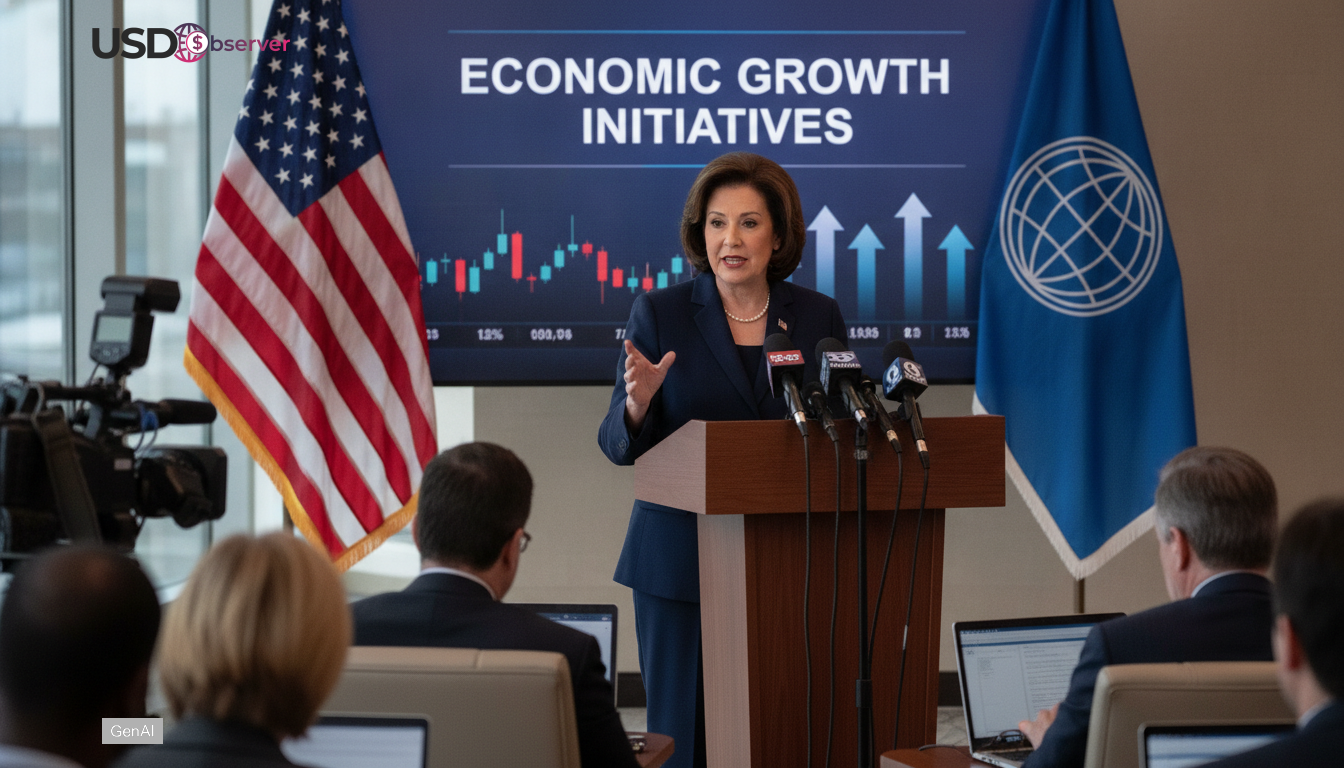
According to available reports, Canada says it is prepared to impose retaliatory tariffs on selected US imports if and when Washington proceeds with additional tariff measures. Canadian officials, including Finance Minister Chrystia Freeland and Prime Minister Justin Trudeau, have previously framed potential responses as targeted and consistent with Canada’s legal options, according to their public remarks. The us trade war is in focus as industry groups with integrated Canada-US supply chains have also cautioned that broader tariff coverage can raise costs for firms and consumers in both countries. Ottawa has said its approach aims to apply pressure while limiting unintended harm to Canadian households, and government representatives have indicated that next steps would depend on further US actions and the pace of talks.
Economic Impact: Inflation, FX, and Rates Under the US Trade War
Market participants are treating the situation as a growing source of uncertainty for North American demand as tariff policies evolve, based on pricing moves and company commentary. The Bank of Canada has highlighted trade-related risks in its policy communications, and the Federal Reserve has also noted in recent statements that trade policy can influence inflation through prices and supply chains. In the us trade war, traders are watching the currency channel closely, with CAD sensitivity often increasing when tariff headlines affect risk sentiment and USD funding conditions. Readers tracking broader market transmission can compare volatility signals in USD stablecoin news, and for a parallel view of how consumer credit expectations are being reset, see BBC reporting on mortgage rate expectations.
Industries Hit: Autos, Metals, and Food Supply Chains
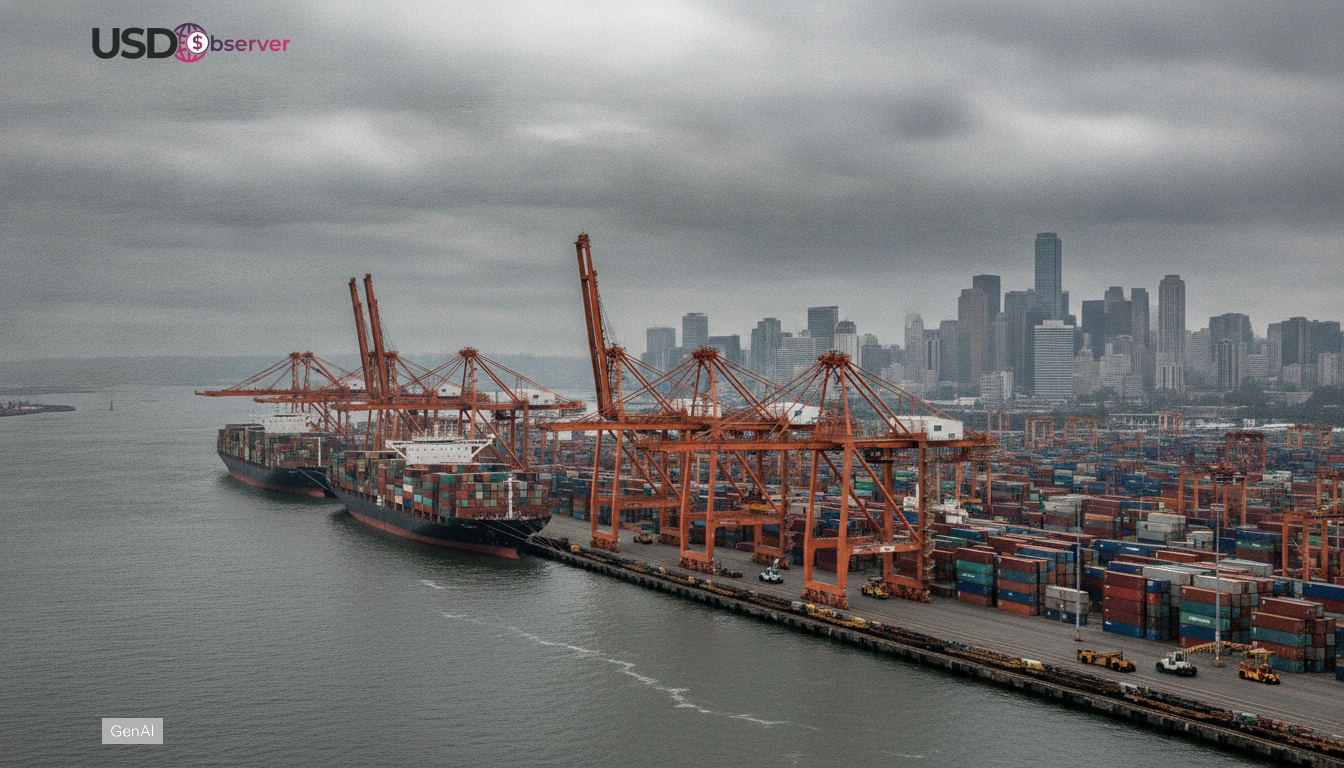
Exporters in manufacturing-heavy provinces say they are adjusting orders and inventory planning as US tariff policy and related procurement decisions shift. Automakers, parts suppliers, and machinery firms with cross-border production steps can face tighter margins when duties apply at multiple stages of assembly, according to industry executives and trade groups. For context on how broader US macro data can shift rates and financing costs for manufacturers, see US jobs report surprises markets, boosts rate bets, and many companies describe the us trade war as a budgeting shock that changes where they place incremental investment and which suppliers they qualify. Canadian steel, aluminum, and food processors also report heavier compliance workloads as customs documentation and origin checks become more contested.
Trade Rules and Disputes: What Could Happen Next
Diplomats and trade officials say they are focused on dispute-settlement routes and the durability of North American rules that companies use for capital-spending plans. Ottawa has stated it will use available legal mechanisms, while US officials have argued their measures are intended to protect domestic production and national interests, according to public briefings. In this trade-war environment, firms are pushing for clearer timelines because multi-year procurement cycles do not align with rapid tariff changes. Analysts also flag that a parallel China-US track could amplify trade diversion effects, as shipments reroute and pricing benchmarks shift in Asia and North America at the same time. Government briefings have suggested that even temporary duties can create lasting frictions by changing supplier relationships and compliance systems.
Mitigation: What Businesses and Policymakers Can Do
According to available reports, economists and trade practitioners argue that limiting spillovers requires narrow targeting, predictable administration, and credible off-ramps that allow businesses to plan. The OECD has warned in its Economic Outlook and trade-related analysis that escalating barriers can reduce growth by depressing investment and productivity, especially when supply chains are deeply integrated. Business groups emphasize steps such as transparent exemption processes and faster customs rulings, while policymakers often stress that monetary policy cannot fully offset supply shocks created by trade restrictions; for related market-policy context, see Fed policy: Trump presses for rate cuts as bets rise. In the us trade war context, manufacturers and importers also point to lead times for requalifying suppliers and rewriting contracts as practical constraints on rapid adjustments.