Japan’s Economic Challenges Amid Yen Depreciation
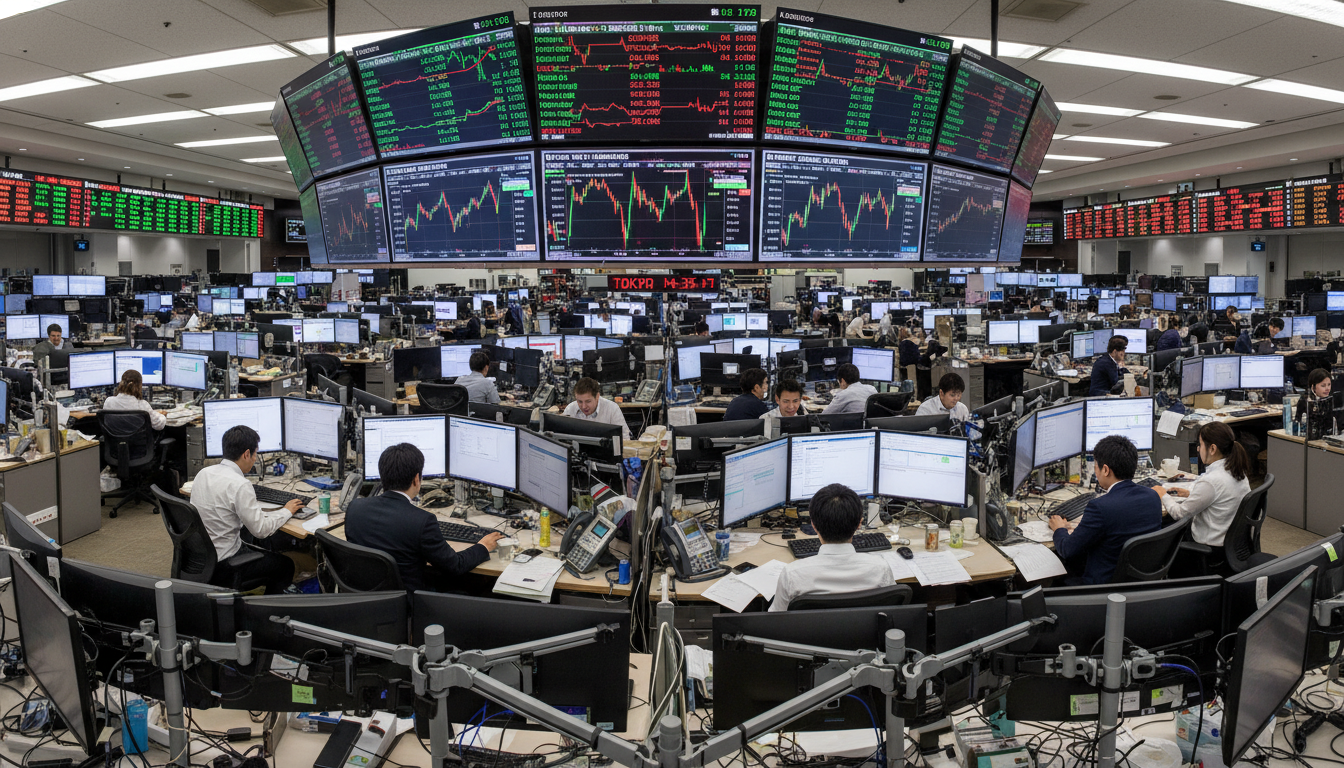
Markets opened Today with renewed pressure on the yen, and officials in Tokyo kept their language focused on volatility rather than a single level. Traders tracking us dollar to japanese yen moves in early dealing saw fresh demand for dollars as import costs and hedging needs stayed elevated. Finance Minister Shunichi Suzuki said authorities are watching moves closely and will respond appropriately if swings become excessive, as carried by Anadolu Ajansi. Live pricing reflected tight liquidity around key fixing windows, adding to intraday spikes. The immediate strain shows up in energy and food bills, while exporters face planning uncertainty when the exchange rate whipsaws. The government is trying to limit second round inflation effects without choking domestic demand.
Historical Context of Yen Interventions
Tokyo is not starting from zero, and the playbook is familiar to desks that trade yen to dollar risk. The Ministry of Finance has intervened directly in past episodes of rapid depreciation, with operations executed through the Bank of Japan, which publishes intervention data in its official records. For context on how policy shocks ripple across risk assets, investors also monitor crypto liquidity signals such as Bitcoin Liquidity Pattern Flags a Potential $124K Run alongside FX. Today, officials again framed any action as aimed at smoothing disorderly moves, not targeting a specific quote. Live market chatter tends to intensify after each Update from senior lawmakers, and that timing can matter as algorithmic orders cluster around headlines.
Impact on Global Forex Markets
Any yen operation can spill over quickly because funding trades and Asia session liquidity connect directly to broader positioning. When dollar to japanese yen volatility rises, options markets often reprice risk across other majors and emerging pairs within hours, particularly during Tokyo and London handovers. Today, portfolio managers described the key risk as abrupt one way moves that force deleveraging, rather than a gradual trend, in comments cited by Anadolu Ajansi. Live rate feeds can widen around official remarks, and each Update from policymakers can shift short term rate expectations for Japan and the United States. Broader risk sentiment is also being tugged by trade policy headlines, including a BBC report titled Trump says he will hike tariffs on EU cars to 25%, which can alter demand for safe havens.
Potential Policy Responses from Japan
Policy tools span verbal guidance, coordinated messaging, and, in extreme conditions, actual market operations, but officials are careful to align actions with G7 language on excess volatility. A practical focus is whether moves in us dollar to yen are judged disorderly enough to warrant intervention, given Japan holds reserves but also aims to avoid destabilizing signals. Today, traders watched for confirmation via the Ministry of Finance and Bank of Japan communication channels that historically precede action. Live desks also monitor local funding markets and cross currency basis for stress. For related market context on how political signals can reshape pricing, see Trump EU Car Tariff Plan, Markets Watch Closely as another driver of dollar demand. Each Update that emphasizes stability over levels tends to temper speculative momentum.
Future Outlook for the Yen and Dollar
The near term path depends less on a single headline and more on whether volatility stays elevated into key data and policy meetings. Market participants are watching the interaction between rate differentials and Japan’s tolerance for sharp intraday swings, especially when forex market liquidity thins around holidays and session transitions. Today, the central issue is credibility: intervention is most effective when it is consistent with communication and macro conditions, a point regularly emphasized in official G7 statements. Live trading conditions can change quickly if US yields jump or risk sentiment turns defensive, and each Update from Japanese officials can reset expectations about timing. Investors are positioning for two way risk, but the focus remains on smoothing moves and avoiding disorderly trading.