Current State of UK Inflation
UK consumer inflation held at 3% in the latest reading, a sticky plateau that keeps price pressures uncomfortably above the Bank of England’s target just as the energy backdrop turns more hostile. The link between USD and global oil prices matters immediately because petrol, utilities and transported goods feed through to household budgets faster than most other inputs. Recent data signalled easing in some categories, but services inflation and wage-sensitive components still looked resilient, limiting the Bank’s room to declare victory. That is the practical UK inflation impact: rate-setters must weigh a slowing growth pulse against the risk that another energy jolt re-accelerates headline inflation and re-anchors expectations higher. Markets responded by hardening near-term caution on rate cuts while awaiting clearer evidence of disinflation.
Global Economic Tensions and Oil Pricing
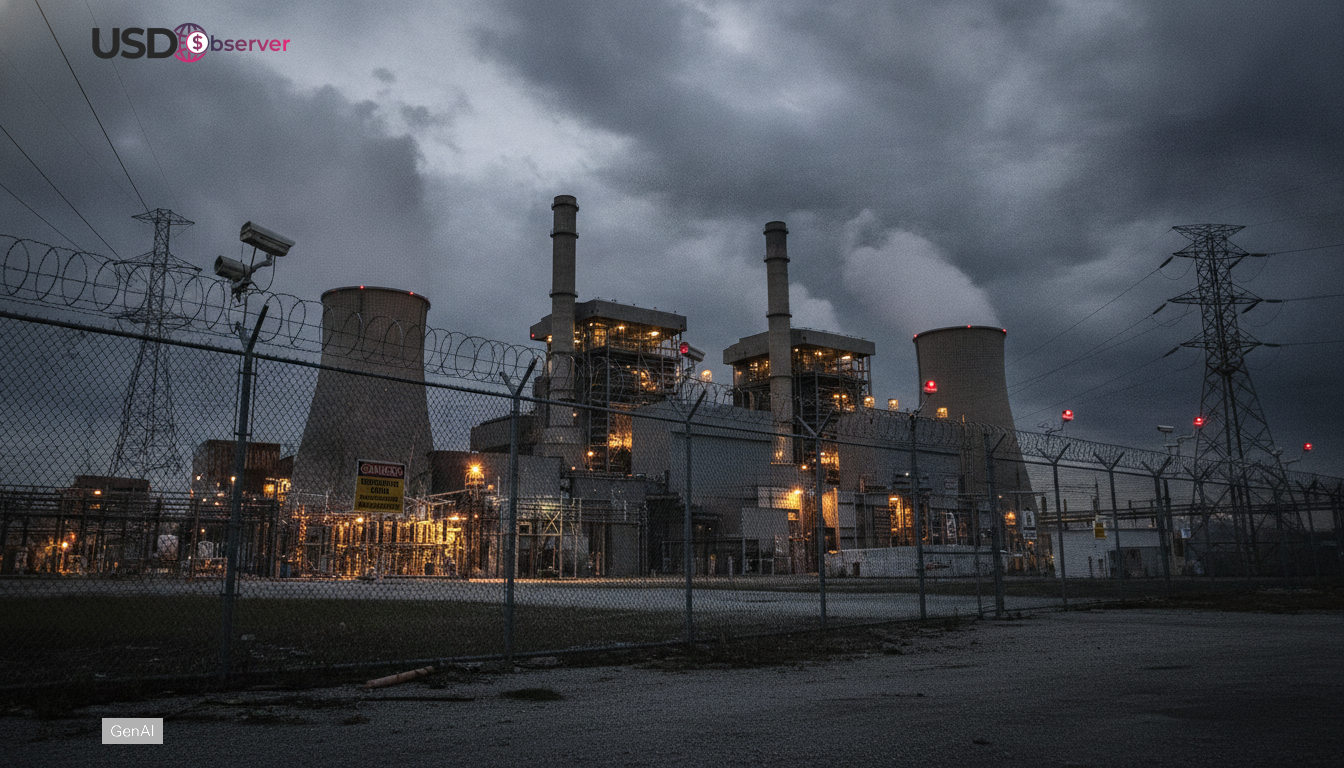
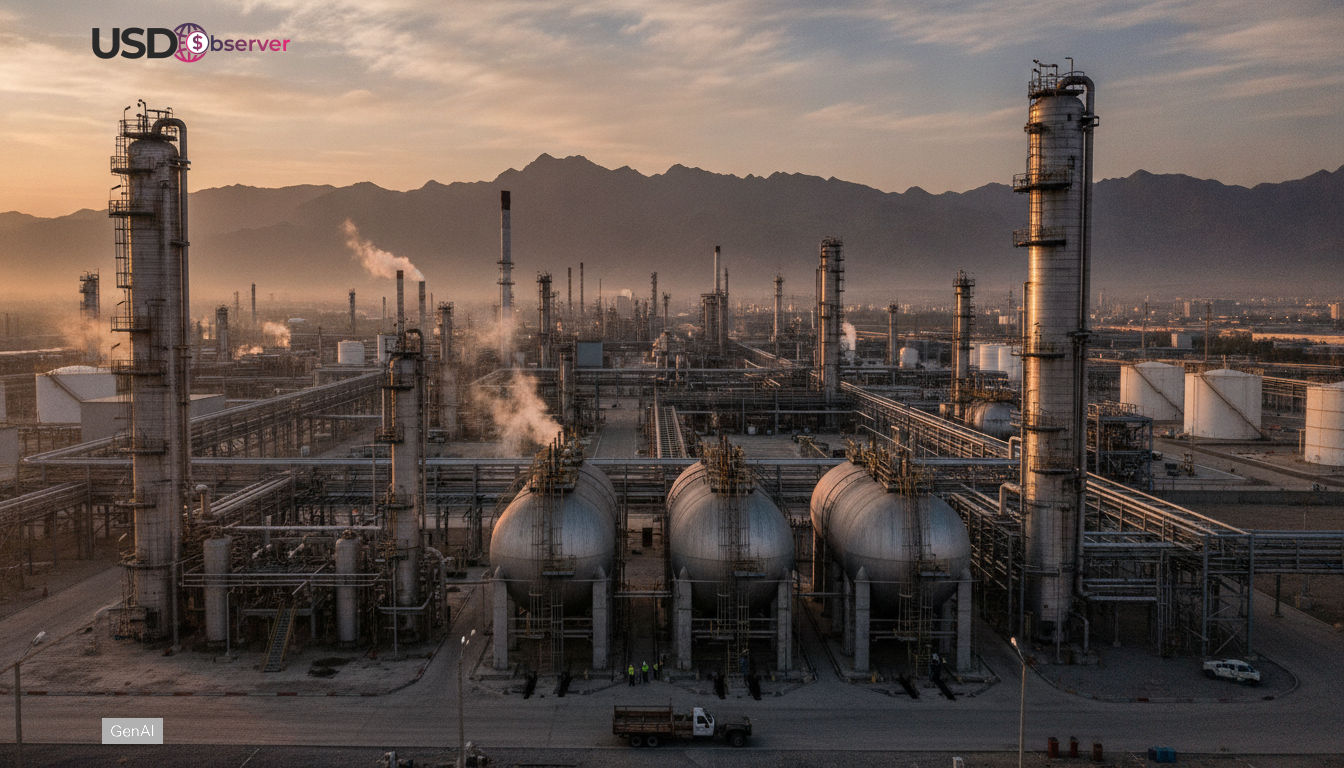
Rising geopolitical tension around Iran has re-priced risk across the energy complex, with traders focused on supply security, shipping routes and the possibility of disrupted flows that tighten prompt crude availability. This crude oil market analysis starts with the reality that even without physical outages, risk premia can lift benchmarks quickly when spare capacity looks limited and inventories are not building decisively. The immediate repricing has been amplified by options hedging and fast-money momentum, pushing volatility higher and forcing refiners and airlines to re-hedge at worse levels. The squeeze is also visible in broader global economic uncertainty, as higher crude filters into freight, plastics and food supply chains via fertilizer and transport. For closely tracked developments around the same theme, see coverage of Iran-driven oil moves above $100 and recent oil volatility tied to negotiations.
Impact on USD and Forex Markets
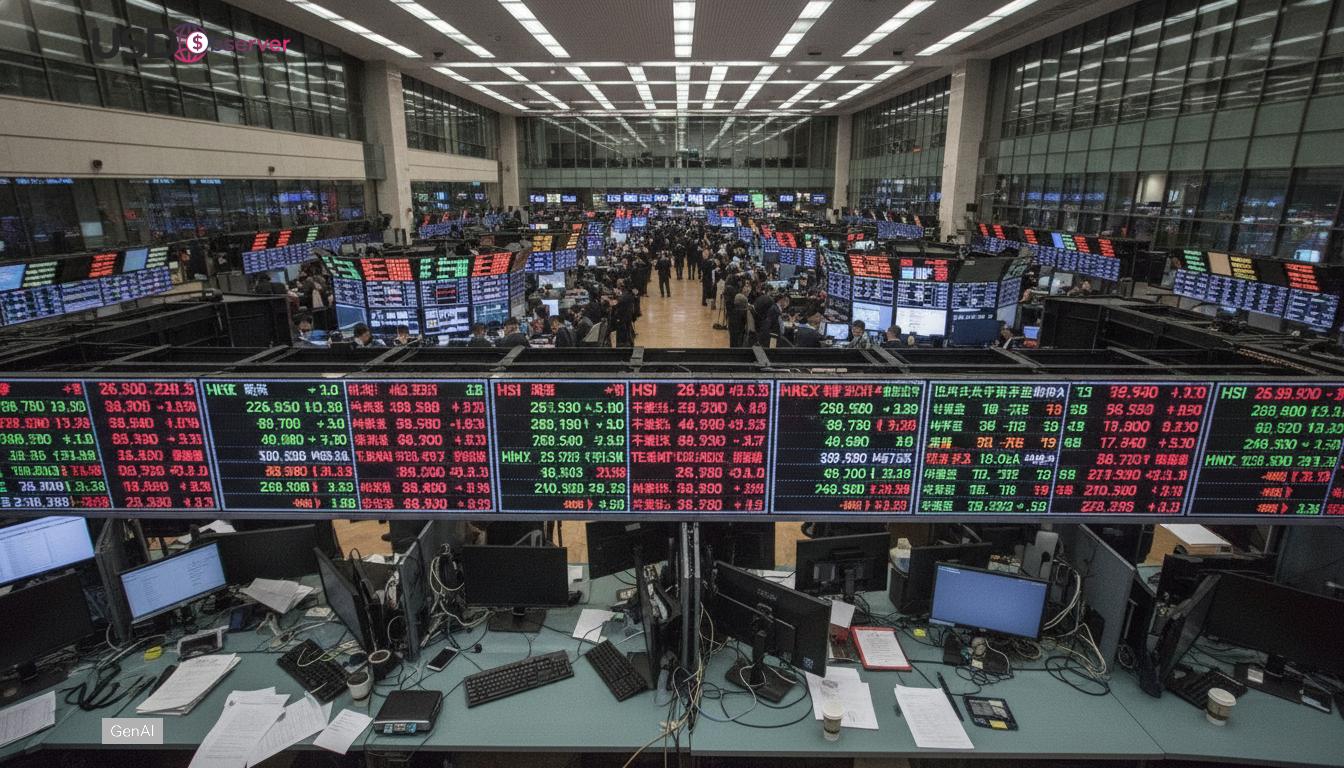
Currency markets treated the oil spike as both an inflation impulse and a risk event, a combination that typically supports the dollar when global growth confidence is fragile. In practice, the USD bid is strongest when higher energy costs threaten Europe and importers more than the United States, while safe-haven demand rises and rate-cut expectations in other jurisdictions drift outward. Sterling sits in the crosshairs: it is sensitive to imported energy and to shifting BoE reaction functions, so oil-led inflation persistence can undermine the pound even if yields rise only modestly. That dynamic has shown up in day-to-day price action and is mirrored in reporting on dollar strength during escalation fears and analysis of pound softness amid war-driven worries. For headline context, the BBC report detailing the inflation print and energy risks provides useful framing in its coverage of the 3% UK inflation reading.
Future Outlook for Global Inflation
The next phase for prices hinges on whether the oil shock proves transitory or becomes embedded through second-round effects, a key distinction for central banks trying to avoid over-tightening into weak demand. If crude remains elevated, headline inflation can re-accelerate quickly, but the bigger risk is that firms pass energy-linked costs into services and that workers seek compensation, slowing the pace of disinflation. This is why global economic uncertainty is now an inflation variable, not just a growth one: geopolitics alters energy costs, energy costs distort trade balances, and both influence monetary conditions through exchange rates and financial stress. Policymakers will watch surveys, inflation swaps, and wage settlements rather than a single month’s CPI. Reuters has repeatedly highlighted how energy-driven swings can complicate the rate-cut narrative, and that caution fits the current setup as noted in Reuters market reporting.
Strategic Implications for Investors
For investors, the practical response is to treat energy as the transmission channel linking geopolitics to policy and to price assets accordingly, without assuming central banks will look through the move. Higher oil tends to widen dispersion: commodity-linked currencies and energy-heavy equities may find support, while rate-sensitive sectors and import-dependent economies face tighter financial conditions. In the UK, the most immediate UK inflation impact is on the timing and pace of BoE easing, which in turn affects gilt curves, mortgage pricing and sterling risk premia. In cross-asset terms, the most fragile mix is rising crude alongside weakening activity, a backdrop that can pressure credit spreads even if equities initially digest the news. Positioning also matters; when the market is crowded, headline-driven gaps become more common. Investors tracking the same theme can compare risk sentiment shifts in this look at stocks slipping on oil and war uncertainty to gauge how quickly energy shocks spill into broader portfolios.