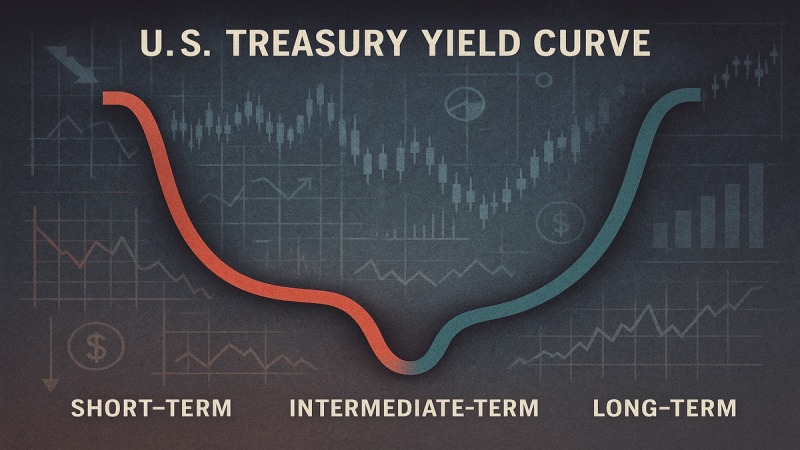
U.S. Treasury yields have moved into a zone that many global traders consider a potential turning point for the wider USD cycle. The recent shift in yield curves reflects a blend of persistent inflation signals, recalibrating growth expectations and rapidly evolving policy narratives across major economies. This adjustment has encouraged a broad reassessment of portfolio risk, especially among funds that remain heavily exposed to dollar-denominated assets.
For forex traders and macro analysts, this development serves as a pivotal moment. Treasury yields often act as the anchor of global financing costs, influencing everything from sovereign bond spreads to emerging market capital flows. As yields reposition, the broader impact moves through currency valuation models, liquidity conditions and cross-border demand for USD assets. The present environment, therefore, is not only a signal of market recalibration but also a potential preview of how the dollar may behave through the next policy cycle.
Yield Repricing Emerges as the Core Market Driver
The most significant shift in recent weeks has been the steady repricing across the Treasury curve. Investors continue to react to changing expectations for Federal Reserve policy, which remains firmly data dependent. Traders are actively monitoring inflation releases, labor market signals and broader consumption trends to gauge the timing and pace of future adjustments. As yields climb or consolidate, hedging strategies and global capital positioning shift simultaneously.
Higher U.S. yields tend to strengthen the dollar because they improve relative return prospects for international investors. This dynamic becomes especially important when global yields remain comparatively compressed. For portfolio managers, even a small adjustment in 10-year or 2-year yields can alter the relative attractiveness of holding U.S. debt versus taking on more currency risk abroad. The resulting flows often contribute to renewed USD demand, particularly in periods where volatility remains elevated.
Global Funds Reassess Their Dollar Exposure
The adjustment in Treasury yields has pushed global funds to review their exposure to dollar assets. Institutions with mandates tied to stable long-term returns are watching the yield environment closely to determine whether it signals a sustained shift or a temporary reaction to near-term data. Asset managers in Europe and Asia continue to monitor how yield changes influence hedging costs, which directly affects the net return on U.S. investments.
As yield differentials widen, some funds are increasing their USD exposure, while others anticipate diversification into mixed currency portfolios. This divergence reflects the broader uncertainty surrounding global policy alignment. With some central banks maintaining restrictive stances and others taking a gradual approach, cross-border investment strategies have become much more sensitive to rate adjustments.
Market Liquidity Responds to Shifting Conditions
Liquidity conditions across global markets are also responding to the repricing of yields. Higher U.S. rates can tighten global dollar supply because borrowing costs rise for banks, corporates and sovereigns that depend on USD funding. When liquidity tightens, spreads widen and risk appetite typically softens. This environment encourages traders to adopt more cautious positioning, particularly in emerging markets where external debt burdens are highly sensitive to U.S. financing conditions.
Liquidity trends are being closely watched by analysts who track the broader impact on FX volatility. A shift in liquidity often leads to more pronounced intraday moves in USD pairs, which can reshape technical setups and trading strategies. As a result, chart analysts are focusing on momentum signals, retracement levels and the broader correlation between yield movements and USD performance.
Dollar Sentiment Hinges on Upcoming Policy Signals
Dollar sentiment remains closely tied to expectations surrounding the next round of policy communication from the Federal Reserve. Markets are sensitive to any commentary on inflation trajectories, employment trends and growth resilience. Forward guidance will play a major role in determining whether yields continue to rise or settle into a new equilibrium.
Forex traders are preparing for potential shifts in sentiment by monitoring futures markets and rate probability tools. These indicators help clarify how aggressively investors expect policy to evolve. If the Fed signals a firmer stance against inflation, yields may continue to strengthen, supporting the dollar. If the outlook appears more balanced, the USD could face consolidation as global investors rotate into diversified positions.
Conclusion
U.S. Treasury yield movements have become the central force guiding global market sentiment, and the current environment suggests a critical inflection point. As funds rebalance and liquidity conditions shift, the dollar’s trajectory will depend heavily on policy expectations and the evolving macro landscape. For traders and analysts, staying aligned with these yield-driven signals remains essential for navigating today’s USD cycle.