Campaign promises on taxes, trade, and spending could make the dollar the biggest election-day mover in global markets.
By Nouriel Roubini | Economist & Commentator
Introduction
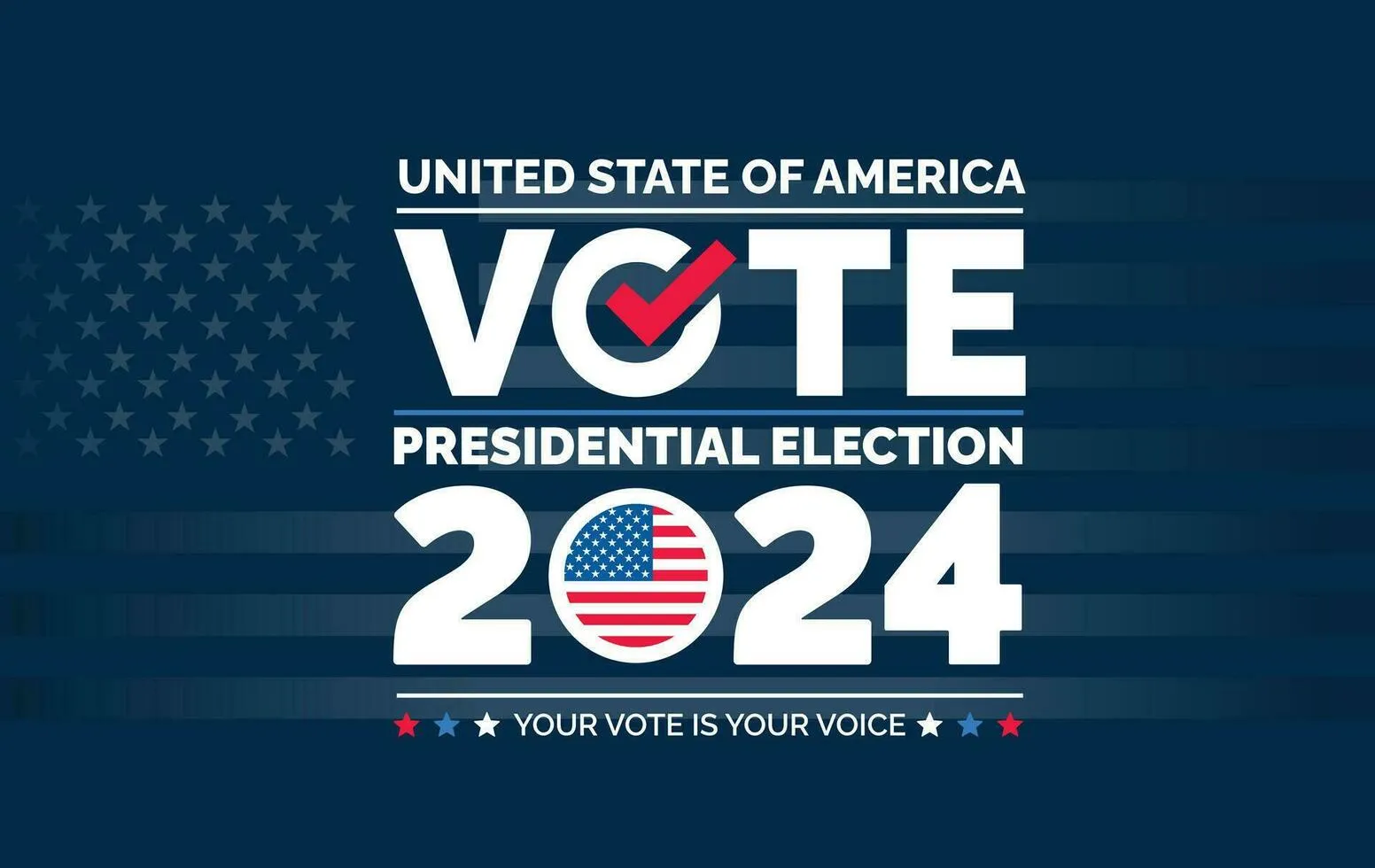
Every U.S. election is a test of political stability, but in 2024–25 the stakes for currency markets are particularly high. The U.S. dollar sits at the center of global finance, and the outcome of November’s vote will determine the trajectory of fiscal policy, trade relations, and monetary credibility. For forex traders and macroeconomic analysts, election cycles are not just about politics — they are volatility events. From debates over tax cuts to tariff threats, every campaign promise feeds into expectations for growth, deficits, and the Federal Reserve’s policy response. The dollar, already buoyed by higher-for-longer interest rates, is now exposed to political swings that could redefine its short-term path. As the election nears, markets are preparing for sharp USD moves — not only on the result itself but also during the campaign.
Political Risk and FX Markets
Elections inject uncertainty into macro expectations. A candidate promising aggressive fiscal expansion can push traders to price in higher deficits and yields, potentially strengthening the dollar in the short run while sowing doubts about long-term sustainability. Conversely, promises of protectionist trade policy often rattle risk sentiment, lifting the dollar as a safe haven while hurting EM currencies. In 2016, the dollar spiked on prospects of corporate tax cuts; in 2020, pandemic spending plans and political unrest produced volatility around DXY levels. The 2024–25 cycle is shaping up no differently.
MoM and YoY Macro Backdrop
- Federal Deficit: Projected at 6.3% of GDP in 2024, up from 5.5% in 2023 — fiscal credibility is a campaign issue.
- Employment: Payroll growth slowed to +150k MoM in late 2024, still resilient but weaker than +400k in 2022.
- Inflation: CPI at 3% YoY keeps the Fed cautious, reinforcing the dollar’s “higher-for-longer” story.
Against this backdrop, campaign rhetoric around taxes, trade, and spending could amplify USD volatility month by month.
External Amplifiers of Election Dollar Risk
- Crime & Social Unrest: Domestic protests or election-related violence could raise political risk premiums, sending capital into Treasuries and lifting the dollar.
- Climate: Climate policy divides candidates, with promises of green investment or deregulation shaping investor expectations about future inflationary pressures.
- Geopolitics: Candidates’ stances on China, Russia, and NATO commitments feed directly into the dollar’s safe-haven demand.
Lessons for Traders
Election-driven volatility requires positioning discipline. Traders should watch MoM polling swings and policy announcements alongside YoY macro trends for clues to dollar direction. Options pricing in USD/JPY and EUR/USD already reflects expectations of heightened volatility into November. EM currencies, particularly MXN and BRL, remain sensitive to U.S. political outcomes due to trade linkages.
Takeaway
The 2024–25 election is more than a domestic event — it is a global referendum on the dollar’s credibility. Fiscal promises, trade risks, and political polarization will shape USD volatility in ways that extend far beyond Washington. For traders and analysts, the ballot box is another macro event: one where politics and markets collide, and where the dollar remains the ultimate vote of confidence.