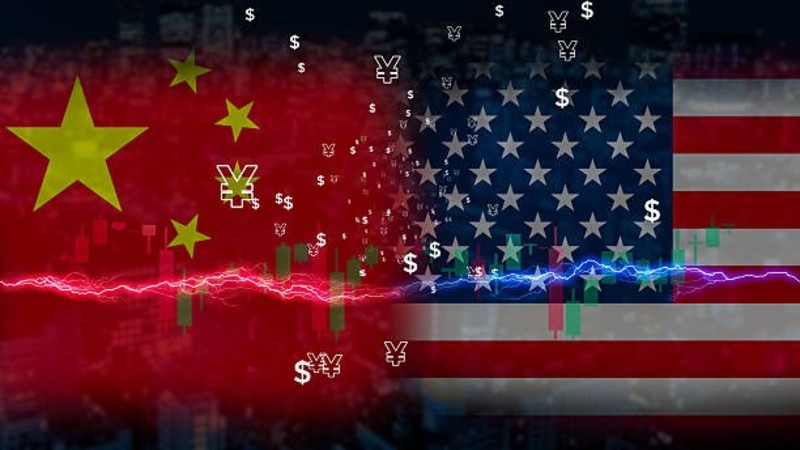
The economic rivalry between the United States and China continues to shape the global landscape as both nations compete for leadership in technology, trade, finance and geopolitical influence. In 2025, this competition has intensified as each country strengthens its domestic industries, expands international partnerships and invests heavily in strategic sectors. The global economy is feeling the effects of this rivalry as nations must navigate shifting alliances, new trade strategies and evolving financial frameworks.
At the same time, markets are responding to changes in monetary policy, supply chain realignments and rising regulatory barriers. Businesses across the world are adjusting to new rules in areas like semiconductors, clean energy, digital payments and artificial intelligence. The outcome of this rivalry has far reaching implications, influencing global growth, investment decisions and long term economic stability.
Technology and Innovation at the Center of the Rivalry
Technology is one of the most important battlegrounds between the U.S. and China. Both countries are racing to dominate sectors such as artificial intelligence, advanced chips, telecommunications and green energy. These industries influence everything from national security to economic competitiveness, making leadership in innovation a critical priority for both sides.
The U.S. continues to restrict China’s access to advanced chipmaking tools and high performance computing technologies. These measures aim to slow China’s progress in strategic fields and protect American intellectual property. In response, China is accelerating investment in domestic semiconductor production and expanding support for homegrown tech companies. This competition is pushing global supply chains to reorganize as countries reassess their dependencies.
Innovation in clean energy and electric vehicles has also become a major focus. China leads globally in battery manufacturing and EV production, while the U.S. is expanding its renewable energy capacity and offering new incentives to attract clean tech investment. The combination of policy incentives and private sector growth is shaping the direction of global energy markets in the coming decade.
Trade Tensions and Shifting Supply Chains
Trade tensions remain a central element of the economic rivalry. Tariffs, export controls and new trade rules continue to affect bilateral trade flows. Companies are now adopting more flexible supply chain strategies to reduce risk, with many shifting production to countries such as Vietnam, India and Mexico. These changes are creating new economic opportunities for emerging markets while increasing competition among global manufacturers.
Both nations are also forming stronger regional partnerships to secure trade routes and access new markets. The U.S. is deepening cooperation with allies through economic frameworks, while China continues to expand its Belt and Road initiatives. These efforts influence investment patterns and create new trade corridors that reshape global commerce.
Currency Influence and Financial Competition
The rivalry is expanding into the financial sector as well. China is promoting the international use of the digital RMB and establishing settlement networks that reduce reliance on the U.S. dollar. This pushes global markets toward a more diversified currency system, challenging America’s long standing financial leadership. At the same time, the U.S. remains the center of global finance due to the strength of the dollar, deep capital markets and trusted regulatory systems.
Rising interest rates in the U.S. have strengthened the dollar, putting pressure on global markets and increasing borrowing costs for developing nations. China is responding by offering currency swap agreements and alternative financial arrangements to its partners. These competing systems reflect a broader struggle for financial influence as the world adapts to new digital settlement technologies.
Impact on Global Growth and Stability
The economic rivalry affects global growth through changes in trade, investment and market confidence. When tensions rise, businesses delay investment decisions, trade flows slow and financial markets become more volatile. Countries that depend on exports to either the U.S. or China must carefully balance their relationships to avoid economic disruption.
Despite these risks, the competition also drives innovation and encourages countries to modernize their industries. Nations are investing in digital infrastructure, green energy and advanced manufacturing to stay competitive in a more divided global economy.
Conclusion
The U.S.–China economic rivalry in 2025 remains one of the most influential forces shaping global markets. Technology, trade, finance and geopolitics are all impacted as both nations pursue long term strategic goals. While tensions create uncertainty, this competition also pushes the world toward new systems of innovation and economic realignment.