Trump Announces Tariff Increase on EU Cars
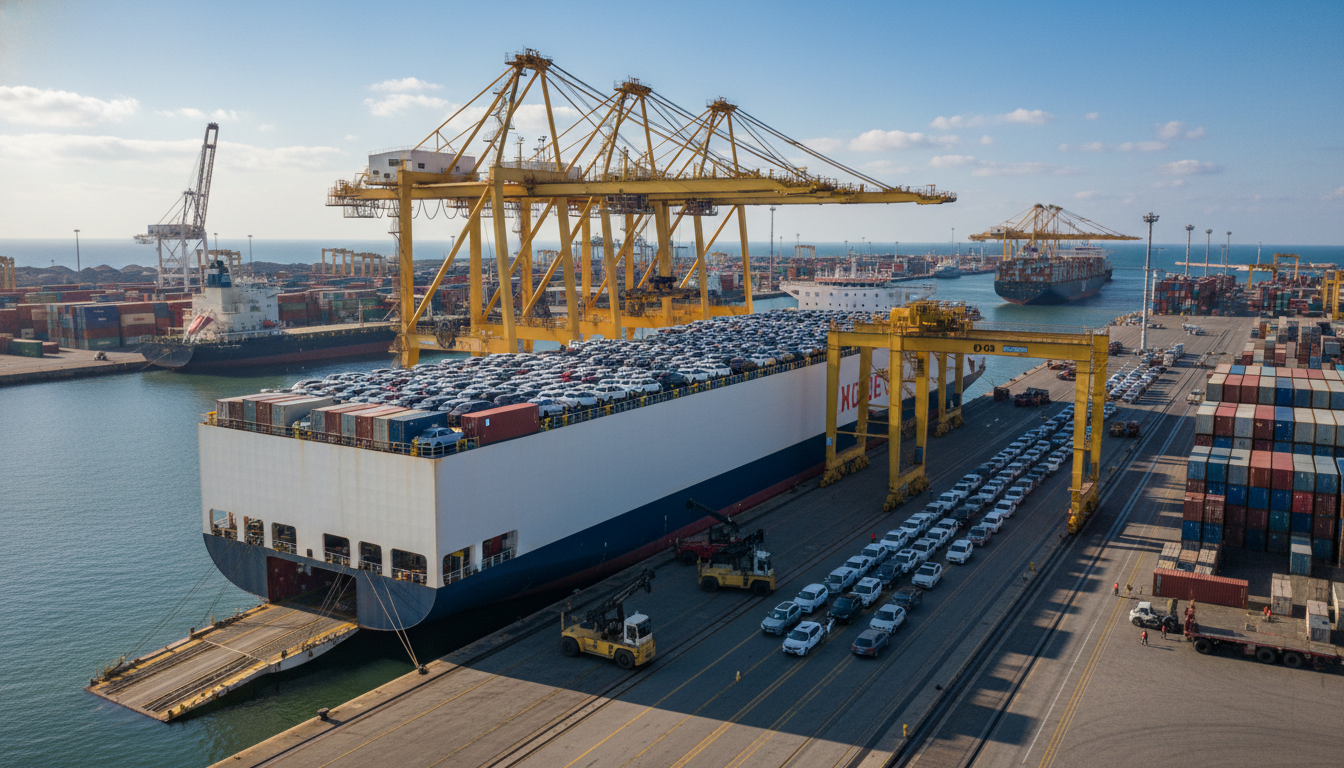
President Donald Trump said he would raise tariffs on cars imported from the European Union to 25%, putting a specific number on a threat that traders treated as actionable today. The BBC reported Trump made the statement while arguing the policy would push production back toward the United States and narrow the trade gap. Dealers running rolling USD strength analysis noted immediate sensitivity in EUR USD and in European auto exporters as headlines hit. The Live reaction was not about long term forecasting, it was about repricing political risk into near term hedges. An intraday Update from major banks focused on how quickly negotiations could reset expectations and calm the tape.
Potential Ripple Effects in Forex Markets
In forex markets, the first transmission channel is volatility, because tariff headlines change rate differential expectations and the perceived need for safe liquidity today. The BBC coverage of the tariff plan provided the key trigger for fast repricing, and many desks linked the move to a quick shift in dollar demand during the Live session. A separate Update in crypto dealing rooms tracked whether stress would spill into the bitcoin usd price, where dollar based pairs often mirror broader risk mood, with context on liquidity flows outlined in Bitcoin Liquidity Pattern Flags a Potential $124K Run. Even without hard data, positioning behavior matters when politics hits the screen.
Impact on USD and Global Trade Dynamics
The next question is whether a tariff shock tightens financial conditions enough to support the dollar, especially if Europe faces growth pressure and energy costs remain a constraint today. In USD strength analysis, the emphasis is on how corporate hedging and cross border invoicing react when trade tariffs are tied to a named sector like autos. Market participants also watch how policy language interacts with existing narratives about dollar resilience after prior administration decisions, summarized in How Trump-era Decisions Shook Dollar Stability. The Live focus in derivatives has been on short dated risk reversals, while each Update from macro strategists highlights second order effects on supply chains and shipping costs.
EU’s Potential Responses to the Tariff Change
European officials have not published a final retaliation schedule tied to this specific 25% car tariff threat, so coverage today has centered on process, consultation, and the credibility of countermeasures rather than numbers. When the European Commission speaks, currency desks treat the tone as a real time signal for escalation or de escalation in trade tariffs. Traders doing USD strength analysis also monitor whether the EU frames any response as targeted and proportional, because broad measures can amplify inflation expectations and complicate central bank messaging. A Live market posture tends to favor the dollar when policy uncertainty rises, but an Update that emphasizes negotiation can reduce demand for defensive positions. Corporate treasury teams are watching parts sourcing and pricing pass through under new terms.
Long-Term Implications for the Global Economy
If a 25% tariff level became policy rather than a negotiating tool, the durable issue would be investment allocation, because carmakers would reassess where to build, source, and book profits today. That shift can influence capital flows and, over time, the current bitcoin price usd narrative as macro liquidity conditions evolve alongside risk appetite. Strategists link the bigger story to reserve usage and trade settlement trends, discussed in Dollar Dominance in 2025: Reserves, Trade, Policy. The Live implication for asset allocators is that repeated tariff cycles can lift the premium on policy clarity, while each Update from major institutions emphasizes scenario planning for fragmented supply chains. For currencies, the long run outcome often depends on growth differentials more than headlines alone.