Impact of Trump’s Policies on the Dollar
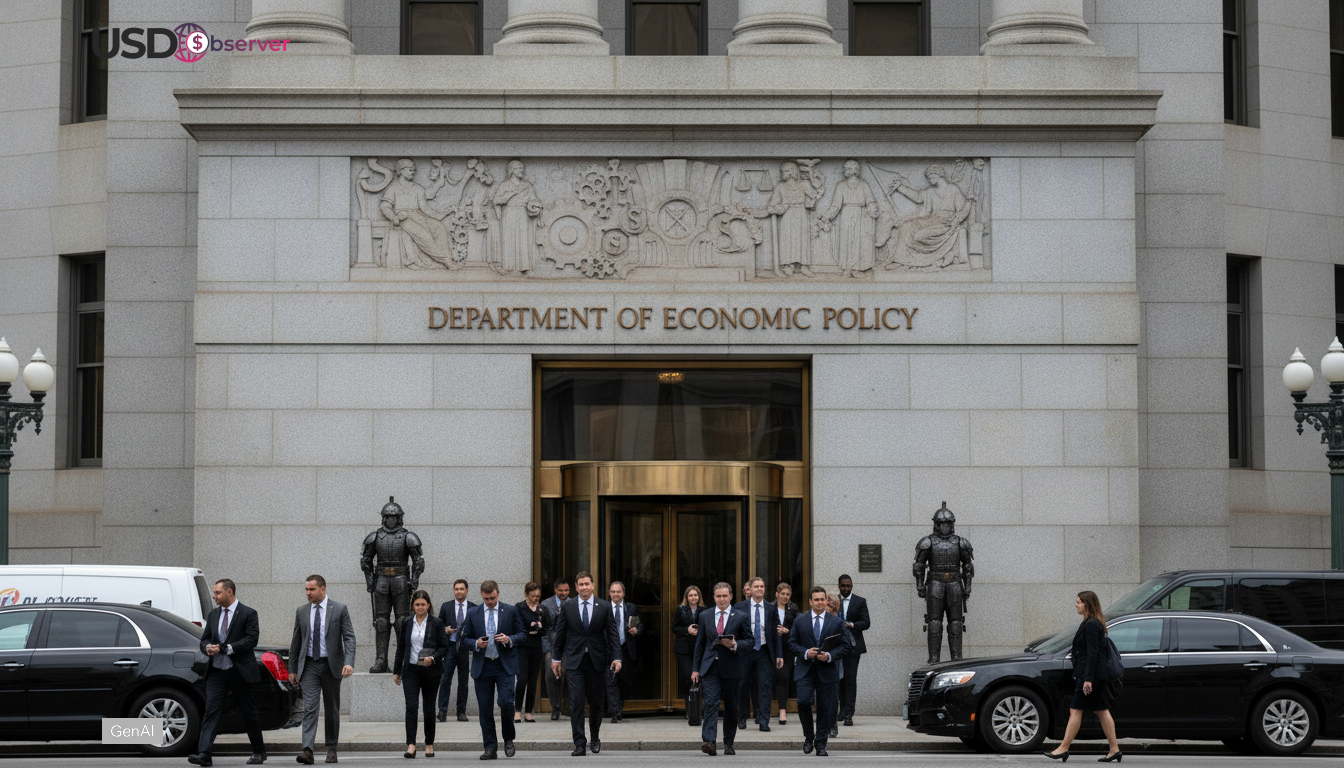
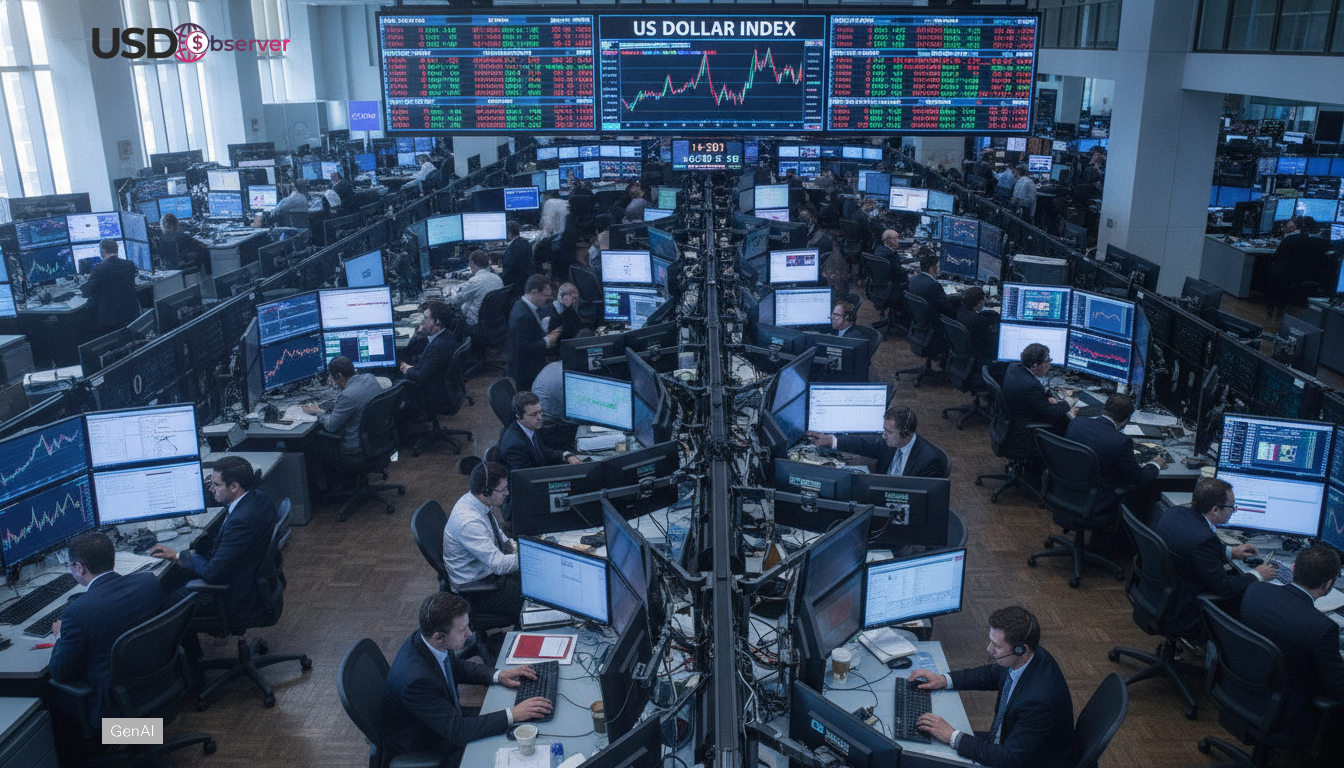
In today’s market, political dynamics are influencing currency valuations at a dizzying pace. The Washington Post recently highlighted how the former president’s unpredictable governing style has undermined confidence in the very institutions that normally support the reserve currency. Traders now analyze fiscal signals, tariff threats, and pressures on independent agencies, all while recalibrating their expectations for inflation and growth. This constant reevaluation drives the U.S. dollar’s value, with market desks eager to translate headlines into broader risk margins, especially when news breaks in an unpredictable fashion. The New York Times further emphasizes how uncertainty reverberates through interest rates and trade expectations—key components for currency valuation—resulting in frequent repricing based on a fluctuating set of risks.
Dollar Stability Amid Global Pressures
Current dollar fluctuations are also being scrutinized against the backdrop of global inflation and energy risks, which can heighten the impact of political events. Increased oil volatility can cause tighter correlations among currencies, prompting the USD to act as both a safe haven and a risk indicator, depending on future interest rate expectations. A recent example shows how news related to energy prices can swiftly influence bond yields and alter the dollar’s appeal. For insight into this dynamic, see the BBC report on oil prices and policy options. Meanwhile, crypto-related dollar instruments are being promoted as quick alternatives, and an Update on tokenization debates underscores the urgency over certainty in this landscape.
Lessons from Historical Currency Dynamics
Historical events reveal that credibility shocks can be just as influential as hard metrics, especially with unexpected policy announcements. The Nixon era’s abandonment of gold convertibility in the 1970s led to inflation that eroded trust in nominal anchors, as documented in Federal Reserve summaries. Presently, analysts apply these lessons to today’s governance dilemmas rather than fixed exchange systems. The U.S. dollar tends to maintain its value when investors are confident that institutions can weather political upheavals without altering fundamental rules. Comparisons are drawn to the 2011 U.S. debt ceiling crisis, where a downgrade from Standard and Poor’s still allowed Treasuries to rally, illustrating that reserve currency status can endure even amid challenges to confidence. An essential Update for traders is that reputational damage can broaden volatility ranges.
Economic Aftermath of Policy Moves
Executive-driven changes and tariff threats can significantly reshape dollar dynamics via anticipated growth and supply chain shifts. Should markets expect stricter monetary policies to combat inflation, the dollar could strengthen; conversely, if forecasts indicate decreased real growth or policy disagreements, it may decline. Today, market participants closely monitor how rhetoric transitions into tangible fiscal and trade actions, treating every statement as a Live input into future rate curves. For context on rate signaling, readers tracking Fed communication can compare interpretations with what markets heard from Powell, shedding light on why the dollar might strengthen amid hawkish outlooks, even when riskier assets falter. The New York Times points to business uncertainty delaying investments, which signals a broader Update channel for productivity expectations, not merely a one-off headline.
Projected Trends for U.S. Dollar Value
The short-term outlook hinges less on any singular electoral storyline and more on whether policy implementation remains predictably structured for market analysis. Investors will look for clear budget measures, trade negotiations that reveal process, and transparent communication surrounding agency independence, as these elements can mitigate the risk premium in exchange rates. Presently, volatility serves as the most pragmatic gauge: if daily fluctuations remain pronounced, hedging costs can rise, pushing global borrowers to limit their dollar exposure. Continuous monitoring will also focus on whether fiscal strategies elevate term premiums, potentially strengthening the dollar while simultaneously increasing financial stresses abroad, a tension highlighted in recent IMF discussions. The Update for global portfolios reveals that while reserve currency status may be resilient, sustaining credibility demands vigilant governance, and pricing can shift rapidly in response to ongoing uncertainties.