Trump escalates oil price gouging allegations
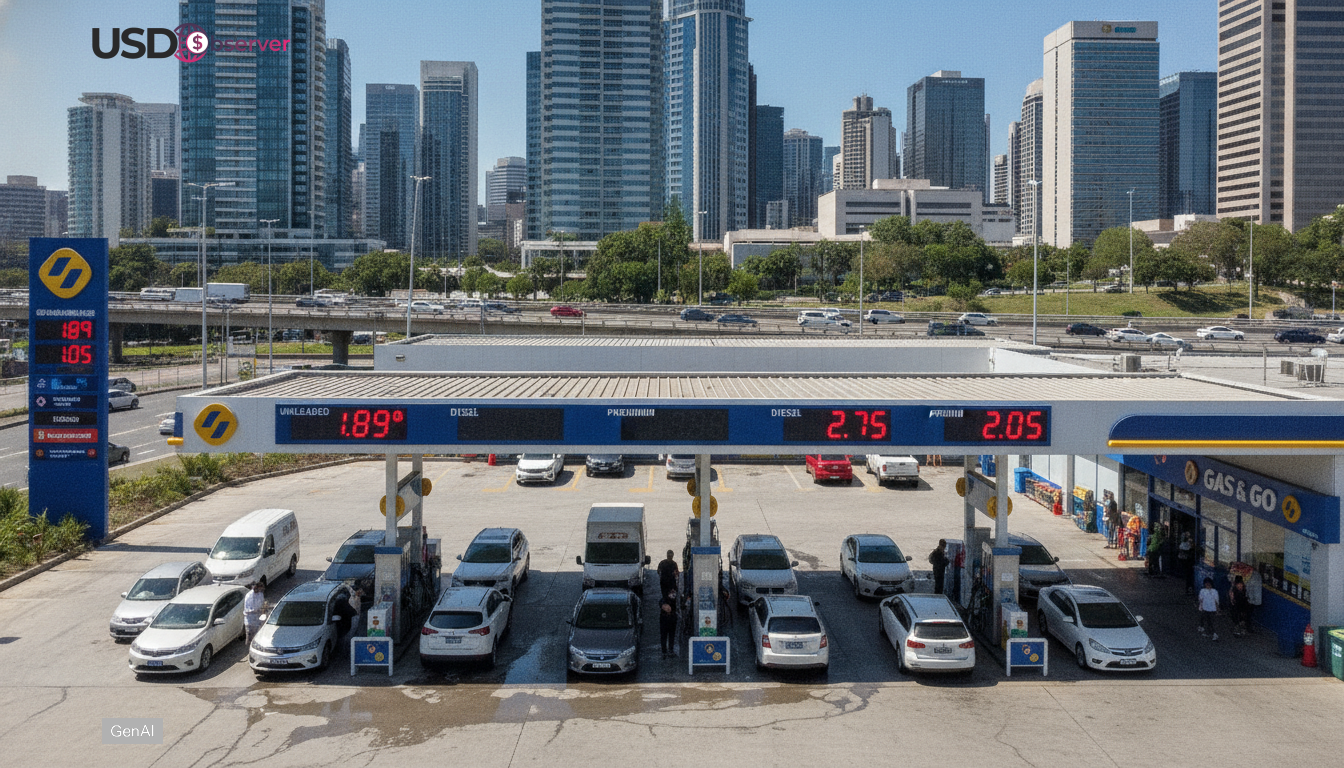
Donald Trump escalated his criticism of the petroleum industry, arguing that drivers are paying more than market conditions justify at the pump, as indicated by his public remarks. He framed the issue as oil price gouging and called for tougher scrutiny of pricing across refiners, distributors, and retailers. Market commentary often points out that these political claims typically center on the gap between wholesale costs and retail prices, which can vary by region due to taxes, fuel specifications, and competition among stations. He again criticized “middlemen” and large firms benefiting while consumers face higher bills, without presenting company-specific evidence in his comments.
Energy traders reportedly treated the comments as primarily a domestic political signal, based on routine market chatter, while global benchmarks continued to move on supply, demand, and risk sentiment. In general, questions about global oil prices hinge on OPEC+ supply management, US inventory data (including weekly EIA releases), refinery utilization, and shipping constraints, and those drivers were not directly altered by the remarks. Still, expectations of hearings or regulatory attention can influence forward curves and volatility in gasoline-linked contracts, according to market participants, and for related market structure dynamics and liquidity effects, see USDT dominance: Stablecoin Lead, Liquidity, and Risk.
Global oil prices and pump spreads
The link between crude and what motorists pay is not one-to-one because the retail price also reflects refinery margins, distribution costs, and local taxes. Traders often watch crack spreads as a real-time proxy for refining profitability and potential pressure at the pump. When crack spreads widen, retail prices can lag crude moves and trigger more claims of unfair pump pricing, even if the driver is tight refining capacity rather than station-level markups. In the near term, market participants said the main driver remains refinery margins and crude differentials, not campaign-season rhetoric.
Company responses to gouging claims
Major producers and refiners have historically pushed back on the idea that they can unilaterally set petrol pump prices in competitive retail markets, according to past corporate statements and earnings call commentary. Executives typically argue that prices reflect crude inputs, refining costs, distribution, and taxes, while station operators set local prices based on competition and convenience. The question of whether consumers are being overcharged is often answered differently depending on whether the focus is upstream profits, refining margins, or retail spreads. Companies also point to quarterly earnings disclosures and regulatory filings as the formal record used to assess profitability.
Policy scrutiny can still rise if lawmakers believe market power is limiting competition in specific regions or during supply disruptions, as regulators and policymakers have argued in prior episodes. A recent illustration of how conflict-related disruptions can affect fuel distribution appears in Crimea fuel sales curbs deepen as strikes hit routes, and localized fuel availability issues and transport constraints can create short-term price spikes that look like gouging to consumers even when wholesale prices are moving for logistical reasons. Those kinds of constraints can change retail outcomes even without a nationwide shift in crude supply.
Economic impact of high fuel costs
Higher gasoline prices can reshape consumer spending, raise operating costs for transport firms, and feed into inflation expectations when increases persist, according to standard economist and central-bank commentary on energy pass-through. Economists monitor pass-through into goods and services via freight, while central banks track fuel because it is a highly visible price that can influence consumer sentiment. The BBC has tracked related cost pressures in other household bills, including Council tax debt rises to £9bn but here’s how you can get help, and in that context, allegations of oil price gouging can intensify calls for investigations, but the macro impact depends on what households actually pay and how quickly prices change.
What comes next for enforcement and markets
Near-term oil market direction still hinges on inventories, refinery maintenance schedules, seasonal demand, and geopolitics rather than political statements alone, according to typical energy-market analysis. If policymakers respond with hearings or antitrust inquiries, the practical outcomes are often more disclosure and reputational pressure than immediate price controls, based on how prior inquiries have generally played out. For more on how energy price spikes can shape industrial choices and policy debate, see Germany coal power debated as gas prices surge, while traders will keep watching implied volatility, crack spreads, and regional wholesale differentials for signs of tight gasoline supply. Any sustained easing in retail prices would likely require lower crude inputs, improved refinery runs, or weaker demand, rather than one-off claims of oil price gouging.