Introduction
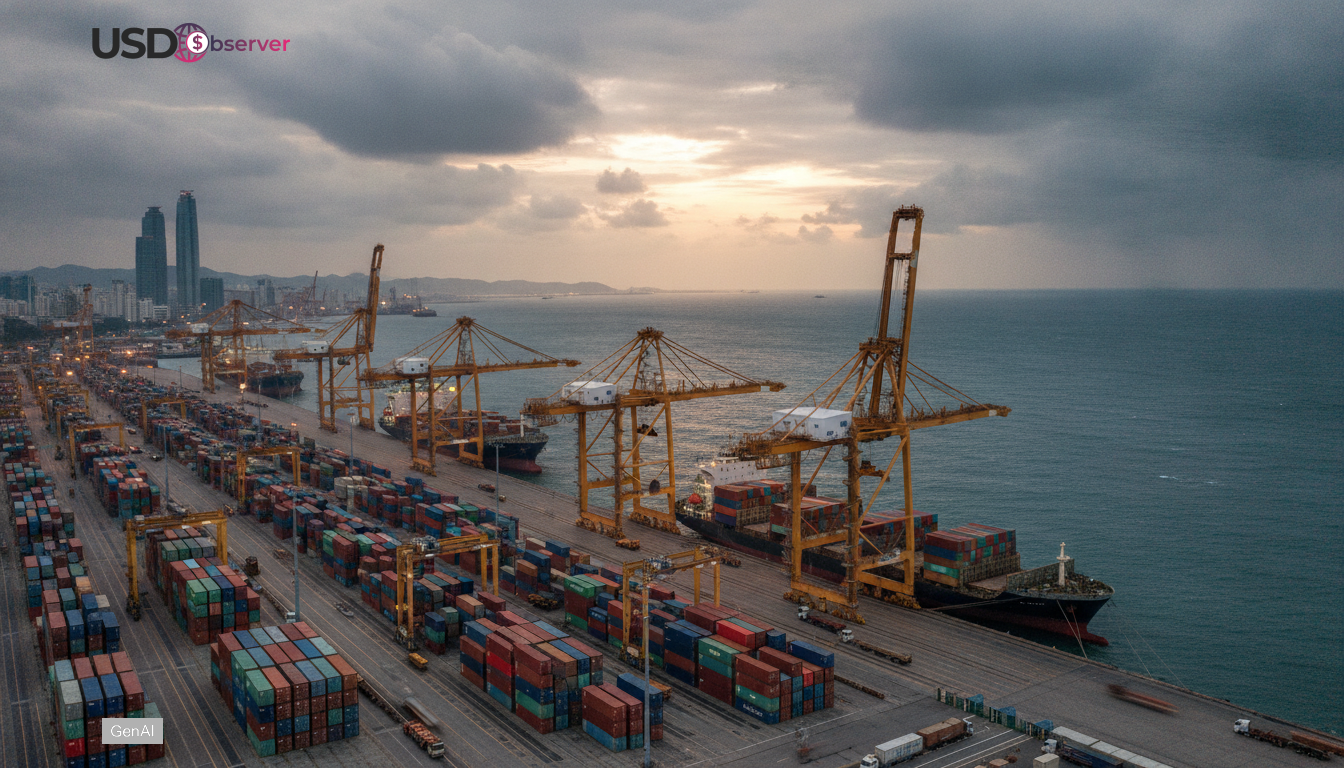
The landscape of global trade in 2025 is undergoing a major transformation. Years of geopolitical tensions, pandemic-era disruptions, and technological evolution have forced multinational corporations to rethink where and how they produce goods. Factories, once concentrated in a few low-cost regions, are now being spread across multiple countries, with firms seeking resilience and flexibility rather than sheer efficiency. This realignment has led to a diversification of trade routes and sourcing partners as companies aim to minimize exposure to political risk, tariffs, and logistical bottlenecks.
Yet behind these visible changes, one quiet force continues to shape the direction of this global restructuring: the U.S. dollar. Even as trade corridors shift and nations pursue self-sufficiency, the dollar remains deeply embedded in the machinery of global commerce. It influences everything from how suppliers secure financing to how goods are priced and settled. While companies and policymakers talk about diversification, the dollar still anchors the system that enables trade to flow smoothly. Understanding this hidden role is essential to grasping how the next phase of globalization will unfold and which economies will emerge stronger.
Forces Driving Trade Realignment
Several key factors are driving the reorganization of supply chains in 2025. One of the most significant is the rising cost of geopolitical uncertainty. Tariff escalation and export restrictions have become common tools of statecraft, pushing businesses to diversify production and sourcing networks. Companies that once relied heavily on a single production hub are now embracing “friendshoring” and “nearshoring,” relocating operations to politically aligned or geographically closer countries. This strategy not only reduces exposure to trade disputes but also shortens transportation routes, allowing companies to respond more swiftly to market fluctuations.
Technological advancement is another major catalyst. Artificial intelligence has revolutionized demand forecasting, while automation and robotics have reduced the reliance on cheap labor. Digital tracking through blockchain has enhanced transparency and accountability in supply chains, allowing companies to manage multiple production centers more efficiently. These innovations make it feasible to shift operations without sacrificing output or quality. However, every one of these changes ultimately depends on the financial systems that underpin trade, and here the dollar continues to play an outsized role.
The Dollar’s Influence in Financing and Settlement
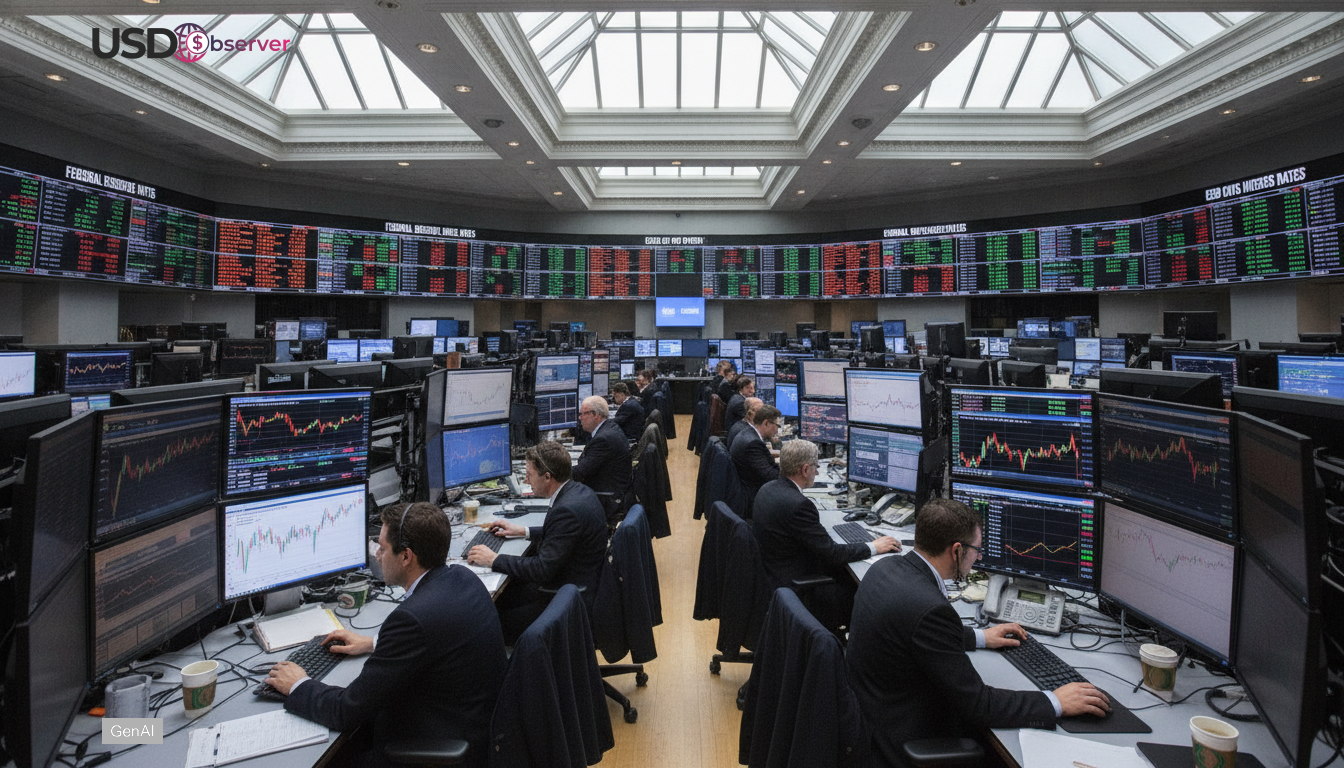
Although production and logistics may be diversifying geographically, trade financing remains highly concentrated around the dollar. Most international transactions, even those not involving the United States directly, are still settled in dollars. This dominance gives the dollar an unparalleled position of influence over how global supply chains function. Manufacturers, exporters, and importers around the world must maintain access to dollar liquidity to conduct business efficiently. When the dollar strengthens or weakens, it directly affects pricing, profit margins, and competitiveness across multiple industries.
For countries welcoming new manufacturing investment, the ability to provide stable access to dollar financing can determine whether they succeed as supply chain hubs. Local banks that can facilitate dollar-denominated trade credit and hedging instruments are essential partners in this ecosystem. Without reliable dollar liquidity, suppliers face higher costs and longer delays in payment processing, discouraging global buyers from entering contracts. This is particularly true for small and medium-sized exporters that rely on dollar-based invoicing but lack the financial sophistication to hedge against currency fluctuations.
Even as some economies attempt to promote trade settlement in alternative currencies, the dollar’s network advantages remain overwhelming. The depth of the U.S. financial system, combined with the global reach of its banking infrastructure, ensures that dollar-denominated trade remains the most efficient and trusted option. Central banks and sovereign funds also reinforce this dynamic by holding large reserves of U.S. assets, creating a self-sustaining cycle that keeps the dollar at the center of trade finance.
The Hidden Role of the Dollar in New Supply Chains
As companies relocate factories from China to countries like Vietnam, India, and Mexico, they are also exporting the financial frameworks tied to dollar-based commerce. Supply contracts, shipping insurance, and commodity inputs continue to be priced in dollars. Even when goods never cross American borders, their financial underpinnings often depend on the currency’s stability. This creates a paradox: while production is becoming more regionally distributed, the global supply chain’s dependence on the dollar remains as strong as ever.
Moreover, the dollar’s influence extends beyond transactions to policy decisions. Governments eager to attract investment into new industrial zones often negotiate swap lines or liquidity facilities with the U.S. Federal Reserve or partner banks to guarantee access to dollars. Without these mechanisms, foreign investors may hesitate to commit capital due to fears of currency mismatches or payment disruptions. In this way, the dollar indirectly shapes which countries emerge as the winners of the new global supply order.
Risks and Challenges in the Rebalancing Process
Despite the benefits of diversification, the ongoing rebalancing of global trade is not without risks. A key vulnerability lies in the dependency on dollar liquidity. If the U.S. Federal Reserve tightens monetary policy or if global investors shift funds back to U.S. markets, dollar funding can suddenly become scarce. This would raise financing costs for emerging markets that are trying to establish themselves as new manufacturing centers. A shortage of dollar liquidity could quickly translate into delayed payments, higher import bills, and financial instability for smaller economies.
Another challenge is the potential fragmentation of global trade systems. As more countries experiment with local currency settlements, there is a risk of creating parallel systems that lack interoperability. This could increase transaction costs and introduce new forms of volatility. Moreover, many smaller economies lack deep financial markets capable of supporting their own currencies in international trade, making it difficult to move away from dollar dependency. Until credible alternatives gain scale and liquidity, the dollar’s position will likely remain secure.
The Road Ahead: Evolution, Not Replacement
Looking forward, the dollar’s role in global supply chains is likely to evolve rather than diminish. As trade becomes more multipolar, the U.S. currency may share space with regional units such as the euro, the yuan, and emerging digital settlement systems. However, the dollar’s combination of trust, liquidity, and institutional depth gives it a resilience that few currencies can match. For the foreseeable future, even as production relocates and political alliances shift, the financial backbone of global trade will continue to rest on the dollar’s foundation.
In practical terms, countries aiming to capitalize on trade rebalancing should focus on strengthening their financial connectivity to dollar markets. Establishing strong banking systems, maintaining healthy foreign reserves, and engaging in currency swap agreements will be crucial for long-term competitiveness. Businesses, in turn, will need to balance diversification with financial prudence, ensuring that while they explore new supply routes, their dollar exposure remains well-managed and sustainable.
Conclusion
Trade rebalancing in 2025 marks a pivotal stage in the evolution of globalization. Companies are diversifying production and seeking resilience after years of disruption, yet the U.S. dollar remains the unshakable anchor of global commerce. From financing and invoicing to reserve management and investor confidence, the dollar’s influence continues to define who benefits most from this new phase of economic realignment.
While discussions about de-dollarization persist, the reality is that no other currency currently offers the same depth, convertibility, and reliability. The future of trade may look more regionally balanced, but the dollar’s presence will remain embedded in its foundation. In essence, the world may be rebuilding its supply chains, but it is still doing so within a dollar-centered financial universe.