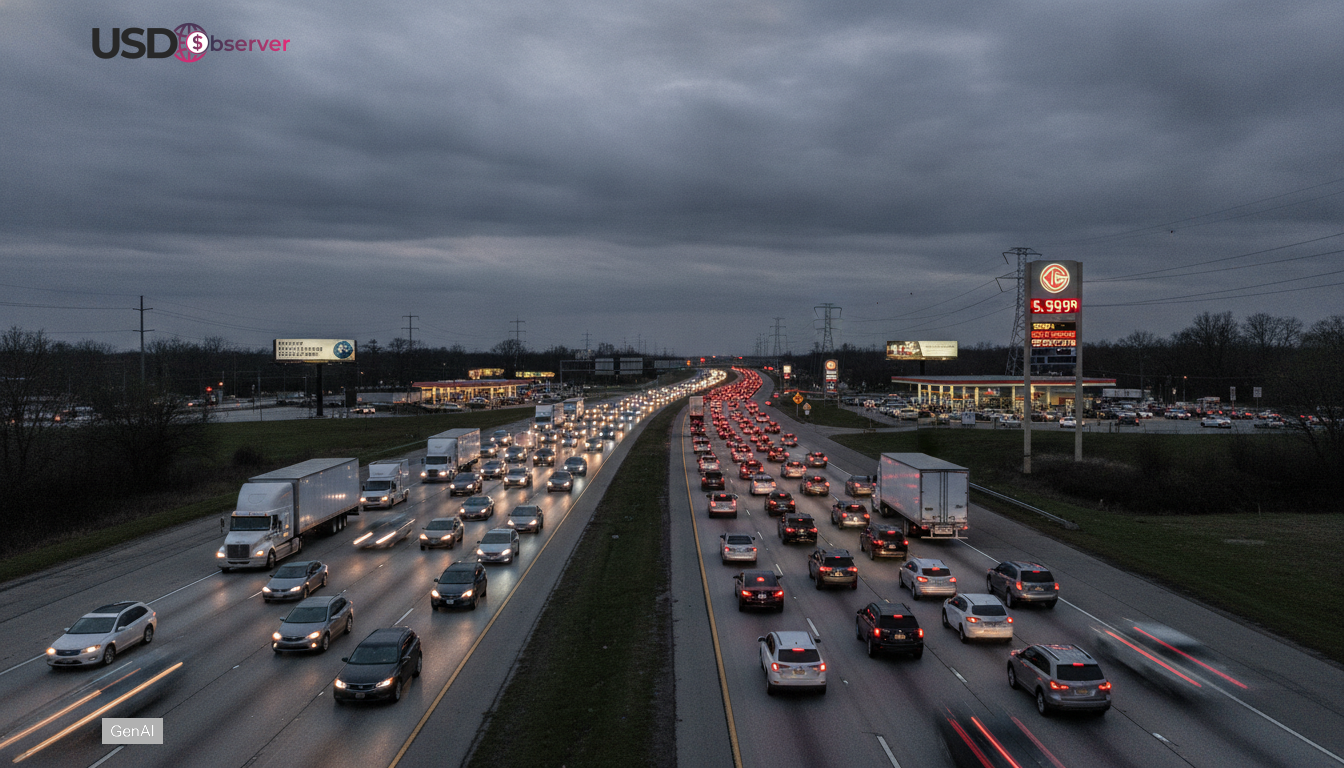
Why technology heat vulnerability is rising
Longer, hotter summers can push critical systems beyond design limits, and technology heat vulnerability is becoming a core operational risk. In recent heat-wave periods, some regions have reported record temperatures that can lift electricity demand while reducing equipment efficiency at the same time. Heat can also speed component wear in electronics, batteries, and power gear, which may raise failure odds during peak load. When one system fails, impacts can spread fast across energy, transport, and communications, often reaching public services early. Planners increasingly treat extreme heat as a reliability scenario rather than a rare anomaly, because the same conditions can persist for days. The result can be higher outage risk, more constrained capacity, and tougher tradeoffs between cost and resilience across critical infrastructure.
Energy grids under extreme-heat stress
Utilities may enter hot months with less room for error as peak demand can collide with hardware that performs worse in high temperatures. During heat waves, operators may need to balance air conditioning load with constraints on generation and transmission, and a single failure can sometimes cascade quickly. For a view of how finance and resilient infrastructure intersect, see https://tethernews.com/alpaca-135m-backs-tokenized-infrastructure-for-stocks/, while engineers and operators commonly point to transformer overheating and power-line sag at high temperatures as recurring stress points that may trigger protection shutdowns. Rising cooling demand is often cited as a growing driver of peak load in many economies, tightening operating margins during extreme weather. Operators can also face thermal limits on cables and substations that reduce capacity precisely when consumers need power most.
Transport disruptions from extreme heat exposure
Heat is testing transportation networks that rely on stable electricity, signaling, and materials that can withstand sustained high temperatures. When rail infrastructure absorbs prolonged heat, tracks can expand and buckle, leading agencies to impose speed restrictions that ripple through commuter reliability and freight schedules. These disruptions can show up in economic data and confidence measures when commutes and deliveries become less predictable, as discussed in https://usdobserver.com/uk-economy-growth-returns-in-may-boosting-confidence/, and agencies managing heat-related technology risk also report higher strain on traction power equipment, station ventilation, and onboard cooling, which can limit throughput on the hottest days. Road surfaces can soften, and bridge joints can bind, adding delays that complicate logistics and emergency access.
Telecoms and data networks at risk in heat waves
Telecom and data networks may be exposed because heat can affect electronics and the supporting power chain that keeps connectivity stable. Mobile sites and street cabinets depend on batteries, fans, and sometimes air conditioning, and higher ambient temperatures can reduce backup runtime and accelerate component wear. In periods of technology heat vulnerability, carriers may throttle loads, reroute traffic, or prioritize critical infrastructure customers so emergency calling stays available. Data centers are often engineered for redundancy, but they still depend on uninterrupted electricity and cooling water, so a local grid disturbance can become a wider connectivity issue. Semiconductor supply constraints can add another layer of risk, and capacity expansion economics are discussed in https://usdobserver.com/tsmc-us-expansion-100bn-push-for-american-chip-fabs/.
Resilience measures to reduce heat driven outages
Operators are responding with steps intended to keep essential functions running when conditions exceed design assumptions, and in 2023–2024 many operators expanded summer heat drills and monitoring routines ahead of peak load. Utilities may tighten vegetation management, increase substation monitoring, and shift maintenance windows so vulnerable equipment is not offline during forecast heat. For organizations tied to public services, quick gains can come from targeted upgrades such as higher temperature rated transformers, improved ventilation in telecom shelters, and better redundancy for control rooms. A clearer understanding of heat-related system vulnerability is also shaping incident planning, including mutual aid agreements and staged mobile generators for critical facilities, and policy pressure can accelerate resilience decisions during national infrastructure stress, as reflected in https://www.bbc.co.uk/news/articles/cjd4kvxpd3do?at_medium=RSS&at_campaign=rss. These measures can reduce near term risk while longer rebuilds are planned.